






An Official Warning from the Mango Capital
In the lead-up to peak mango season, the Food Safety and Standards Authority of India (FSSAI) issued a public advisory with a clear message: beware of mangoes ripened with calcium carbide. For Americans, FSSAI might be an unfamiliar acronym, but it’s
essentially India’s equivalent of the FDA. Given that India is the world's largest producer of mangoes, when its food authority speaks up about its most iconic fruit, it’s worth paying attention. The agency urged consumers and vendors to avoid using this banned chemical, highlighting a persistent issue in regions where market pressures tempt sellers to rush unripe fruit to market.
The Dangerous Shortcut: Calcium Carbide
So, what is this stuff? Calcium carbide is an industrial chemical typically used for things like welding and manufacturing steel. When it comes into contact with moisture, it produces acetylene gas, which mimics the effect of ethylene, a natural plant hormone that triggers ripening. This allows sellers to pick mangoes when they are hard and green, treat them with the chemical, and have them appear yellow and ripe in just a day or two. The problem is, this process is purely cosmetic. The fruit may look ripe, but it hasn't developed the natural sugars and aromatic compounds that make a mango taste great. More importantly, this shortcut is a significant health hazard.
Not Just a Lack of Flavor
The health risks associated with calcium carbide are what prompted the FSSAI’s forceful warning. The industrial-grade chemical often contains impurities like arsenic and phosphorus hydride, which are toxic. Ingesting fruit contaminated with these traces can lead to symptoms ranging from an upset stomach, vomiting, and diarrhea to more severe skin rashes and a burning sensation in the chest and abdomen. Furthermore, acetylene gas itself is a central nervous system depressant. Inhaling it in significant amounts, as workers who handle it might, can cause headaches, dizziness, confusion, and even seizures. The FSSAI alert is as much about protecting consumers as it is about worker safety and food integrity.
How to Spot a Chemically Ripened Mango
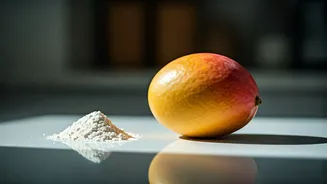
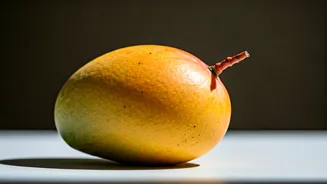
For consumers everywhere, the Indian advisory provides a useful lesson in food forensics. While you can't test for chemicals at the grocery store, there are several tell-tale signs of an artificially ripened mango. First, check the color. A naturally ripened mango will have a gradual blend of yellow and green, whereas a carbide-ripened one is often a uniform, almost unnaturally bright yellow, but may still have green, unripe patches near the stem. Second, trust your nose. A naturally ripe mango has a sweet, fruity aroma; a chemically ripened one often has little to no smell. Third, consider the texture and taste. The pulp of a carbide-ripened mango can be sour or bland, and the texture might be less juicy. A popular home test in India is the “bucket test”: a naturally ripened mango will sink in a bucket of water, while a less-dense, artificially ripened one is more likely to float.
Does This Affect Mangoes in the U.S.?
Here’s the good news for American consumers. The use of calcium carbide to ripen produce is illegal in the United States. The FDA and USDA have strict regulations for produce imported into the country. While some fruit sold in the U.S. is ripened after being picked, it’s done using ethylene gas under controlled conditions. Ethylene is the same hormone plants produce naturally, and its use is considered safe and effective. Most mangoes sold in major U.S. supermarkets come from Mexico, Peru, Ecuador, and Brazil, with some domestic production in Florida. These supply chains are heavily regulated. So, while it’s not impossible for illicitly treated fruit to slip through, it’s highly unlikely to be a widespread issue in the mainstream American market. The FSSAI’s alert is less a direct warning about the mango in your local Whole Foods and more a valuable reminder that food safety standards aren't universal and that being an observant, informed shopper is always a good idea.