



What Exactly Is a Plant Wall?
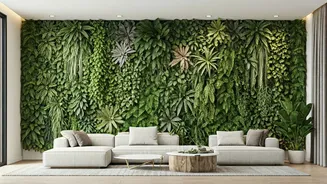
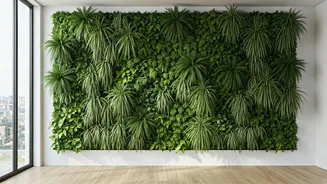
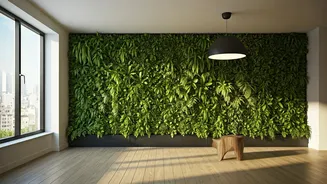
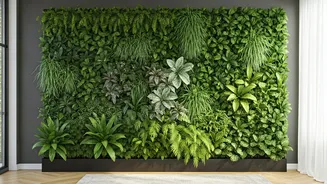
A plant wall, also known as a living wall or vertical garden, is a structure that allows plants to grow vertically on an indoor or outdoor wall. It’s far more integrated than simply arranging a few potted plants on a shelf. These systems are designed
to hold multiple plants in a dense, soil-less or soil-based arrangement, creating a continuous tapestry of foliage. From sprawling, professionally installed masterpieces in corporate lobbies to more modest DIY panels in a sunny kitchen, the core idea is the same: to use vertical space to create a dramatic, living piece of art. They are the ultimate expression of biophilic design—the concept of connecting humans with nature within our built environments.
The Benefits Beyond Beauty
The most obvious benefit of a plant wall is its stunning visual impact. It’s a guaranteed conversation starter and adds texture, color, and life to a room in a way no other decor can. But the appeal goes deeper. Studies have shown that being around plants can reduce stress, improve mood, and even boost creativity and focus. While a single wall won't purify your home's air like a commercial HEPA filter, the plants do contribute to better indoor air quality by absorbing some VOCs (volatile organic compounds) and releasing oxygen. They can also have a slight humidifying effect, which can be a welcome bonus in dry climates or during winter months. Finally, a living wall can help absorb sound, subtly dampening echo in rooms with high ceilings or hard surfaces.
Exploring the Systems: DIY vs. Pro
Getting a plant wall is not a one-size-fits-all endeavor. The options range from simple weekend projects to complex, automated installations.
DIY Kits: For those wanting to dip a toe in, DIY systems are the most accessible entry point. These often consist of fabric pockets, stackable modular planters, or grid frames where you place your own potted plants. They are budget-friendly and allow for customization, but they require manual watering and more hands-on care.
Self-Contained Systems: A step up, these are often freestanding frames or larger panels with a built-in reservoir and, sometimes, a pump for self-watering. They offer a more polished look than basic DIY kits and reduce the daily watering chore.
Professionally Installed Walls: This is the high-end, 'wow-factor' option. A professional company designs, builds, and installs a fully integrated system, often with sophisticated hydroponics (growing in nutrient-rich water instead of soil) and automated irrigation and lighting. While expensive, they offer the most seamless look and lowest maintenance for the homeowner.
Choosing the Right Plants
The success of your wall depends heavily on plant selection. The key is choosing species that are relatively low-maintenance, have similar light and water needs, and won't grow too aggressively. For beginners, hardy trailing plants are a fantastic choice because they quickly cover the structure and create a cascading effect. Golden Pothos, Heartleaf Philodendron, and Spider Plants are nearly foolproof options. For shadier spots, certain ferns like the Bird’s Nest Fern or Maidenhair Fern can thrive, provided humidity is sufficient. For a touch of color, consider the vibrant leaves of a Prayer Plant. Always consider the light in your chosen location. A south-facing wall will require different plants than a north-facing one.
Care and Long-Term Maintenance
A living wall is a living thing, and it requires ongoing care. For manual systems, the biggest task is watering. You'll need to check the moisture level regularly, as the small pockets of soil can dry out faster than a traditional pot. A watering can with a long spout is your best friend here. For automated systems, your main job is to ensure the reservoir is full and the system is functioning. All plant walls will benefit from a diluted liquid fertilizer every 4-6 weeks during the growing season. Finally, don't be afraid to prune. Trimming back leggy stems encourages bushier growth and keeps the wall looking tidy and healthy. Regularly removing any yellow or brown leaves will also keep it looking its best and prevent potential disease.