





Think of Your Scalp as Skin
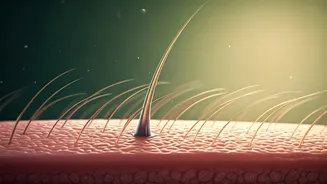
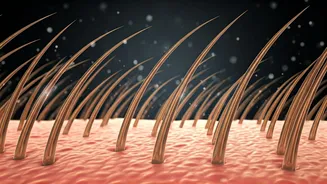
The biggest mental shift in modern haircare is realizing your scalp is an extension of the skin on your face. It has pores, produces oil (sebum), sheds dead cells, and has its own unique microbiome. Just as clogged pores or inflammation on your face can
lead to acne and dullness, a neglected scalp can lead to a host of hair issues. When the follicles—the tiny organs that produce hair—are blocked by oil, dead skin, and product residue, they can become inflamed. This inflammation can impede healthy hair growth, leading to weaker, thinner strands and even hair shedding. In short, if you wouldn't go weeks without washing or exfoliating your face, you shouldn't do it to your scalp.
The Problem With Buildup
One of the most common culprits of an unhealthy scalp is buildup. This isn't just about natural oil and skin cells. It’s also the residue from dry shampoos, styling creams, hairsprays, and even some conditioners that aren't properly rinsed out. This sticky layer can suffocate hair follicles, disrupt the scalp’s natural pH balance, and create a breeding ground for yeast and bacteria. The results? Itchiness, flaking that you might mistake for dandruff, and hair that looks limp, greasy, and lifeless, no matter how much you wash it. A healthy growth cycle depends on a clean, clear follicle environment, and buildup is its number one enemy.
Mastering the Cleanse
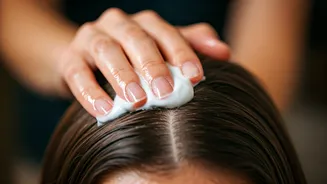
A proper scalp-care routine starts with an effective cleanse. This means more than just a quick lather and rinse. When you shampoo, focus your effort on the scalp itself. Use the pads of your fingers (never your nails, which can create micro-tears) to massage the shampoo in for at least 60 seconds. This helps break down oils and loosen debris while also stimulating blood flow to the follicles, which is crucial for delivering nutrients. For many, a double cleanse—shampooing twice in one wash—can be transformative, especially if you use a lot of styling products or have an oily scalp. The first wash breaks down the surface-level grime and product, while the second provides a deeper, more thorough clean.
The Role of Exfoliation
Just like your face, your scalp benefits immensely from regular exfoliation. This process removes the deep-set buildup and dead skin cells that a normal shampoo might miss, effectively resetting your scalp. There are two main types of scalp exfoliants. Physical scrubs use fine particles (like sugar or salt) to manually slough away debris. Chemical exfoliants use gentle acids, like salicylic acid (a beta-hydroxy acid, or BHA) or glycolic acid (an alpha-hydroxy acid, or AHA), to dissolve the bonds holding dead skin cells and oil together. For most people, exfoliating once a week or every few weeks is plenty. It can reduce flakiness, control oil, and leave your hair feeling cleaner and more voluminous at the root.
Nourish and Protect
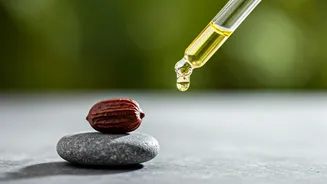
Cleansing and exfoliating are about removing the bad stuff; the final step is adding the good stuff back in. Scalp serums are becoming a staple in many routines. These lightweight treatments are formulated with targeted ingredients—like hyaluronic acid for hydration, peptides for follicle support, or caffeine to stimulate circulation—that are applied directly to the scalp after washing. Furthermore, don't forget that your scalp can get sunburned, which damages the skin and follicles. If you're spending significant time in the sun, wear a hat or use a UV-protectant spray designed for hair and scalp. A healthy diet and proper hydration also play a foundational role, providing the internal building blocks for both healthy skin and strong hair.