


Beyond the Beach Party
For decades, the standard American travel fantasy of Goa has been a postcard of golden sand, turquoise water, and endless sunshine. It’s the vibrant, high-energy destination for beach yoga, all-night parties, and soaking up rays. But from June to September,
a dramatic shift occurs. The skies turn a moody gray, the Arabian Sea gets rough, and a steady, cleansing rain begins to fall. This used to be considered the “off-season,” a time to avoid. Now, it’s the main event. The rainy season transforms Goa’s entire personality. The frenetic energy of peak season dissipates, replaced by a profound sense of calm and romanticism. It’s a time for introspection, not just Instagramming. The Goan concept of *susegad*—a unique, untranslatable feeling of contented relaxation and quiet enjoyment—is never more palpable. Instead of beach shacks blasting electronic music, you’ll find cozy cafes with steaming cups of chai, the sound of rain on a tiled roof providing the only soundtrack. It’s a Goa that invites you to slow down, read a book, and simply be.
The World Turns Emerald
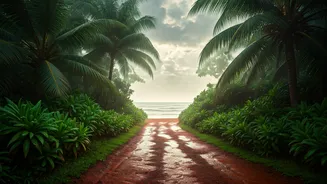
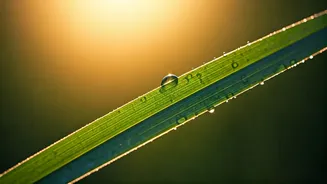
If the peak season’s color is gold, the monsoon’s is an impossible, dazzling green. The rain breathes life into every corner of the landscape. Dusty hillsides transform into verdant carpets, dormant seeds sprout, and the state’s famous rice paddies become a patchwork of fluorescent green. The air itself feels different—cleaner, heavier, and rich with the smell of petrichor, the earthy scent of rain on dry soil. This is the season when Goa’s natural wonders are at their most powerful. Waterfalls that are mere trickles in the dry season become thunderous cascades. The journey to the famous Dudhsagar Falls, one of India's tallest, becomes an adventure in itself, with the falls roaring in their full glory. Rivers swell, making inland kayaking a serene way to explore the drenched mangroves. It’s a photographer’s dream, offering a moody, atmospheric beauty that stands in stark contrast to the bright, flat light of the dry winter months.
A Different Kind of Itinerary
So, if the beaches are off-limits, what do you actually *do*? The answer is: you experience a different, perhaps more authentic, Goa. The monsoon is the perfect time to visit the region’s famed spice plantations. The rain supercharges their fragrance, and you can walk through groves of cardamom, vanilla, and peppercorns in their prime. Exploring Goa’s rich Portuguese history also takes on a new charm. You can wander through the quiet, colorful lanes of Panjim’s Fontainhas district or visit centuries-old churches without battling a sea of tourists. It’s also a culinary pilgrimage. Goan food, with its rich, coconut-based curries and fiery spices, is soul food perfectly suited to a rainy day. Local restaurants serve up hot fish curries, spicy vindaloo, and freshly baked bread from neighborhood bakeries. It’s a time for long, leisurely meals and discovering flavors that go far beyond the typical beachside fare. Many hotels and wellness centers also offer monsoon-specific yoga and Ayurveda packages, designed to align with the rejuvenating spirit of the season.
The Practical Magic of Off-Season
Of course, there are significant practical advantages to embracing the rain. As demand drops, so do prices. Luxury hotels and boutique guesthouses that are prohibitively expensive in December can be booked for a fraction of the cost. Flights are cheaper, and you can often find incredible deals on a whim. The biggest luxury, however, is the absence of crowds. You get to experience popular spots with a sense of peace and privacy that’s unimaginable during peak season. This renewed interest in monsoon travel isn't just about saving money; it’s part of a broader shift toward more sustainable, mindful tourism. By visiting in the off-season, travelers help distribute the economic benefits of tourism more evenly throughout the year and experience a side of the destination that is more in tune with its natural rhythms. It’s a win-win: a more affordable and peaceful trip for the visitor, and a more balanced economy for the locals.