




More Than Just 100 Brush Strokes
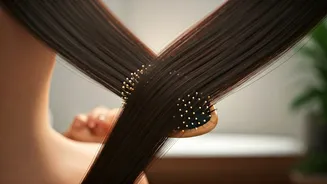
When you think of old-fashioned hair advice, your mind probably goes to your great-grandmother's maxim: one hundred brush strokes before bed. While that practice was meant to distribute scalp oils, it often did more harm than good, causing friction and breakage
on modern, frequently processed hair. The real wisdom from the past is quieter, gentler, and rooted in centuries of tradition, particularly in South Asian cultures. We're talking about hair oiling. For generations, hair oiling has been a cherished ritual, passed down from mothers to daughters. It's more than just a beauty treatment; it's a moment of connection, care, and mindfulness. And now, as the wellness world looks for authentic, effective practices, this ancient habit is re-emerging as a powerful antidote to modern hair woes like dryness, damage, and frizz.
The Simple Science Behind the Shine
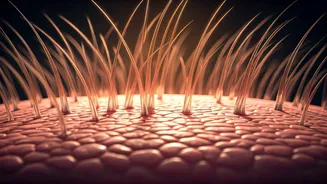
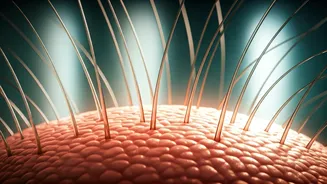
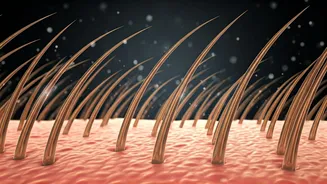
So, what’s happening when you apply oil before you shampoo? The magic lies in protection and nourishment. Hair is incredibly porous. When you wash it, water rushes into the hair shaft, causing it to swell and then shrink as it dries. This repeated cycle, known as hygral fatigue, weakens the hair cuticle over time, leading to frizz and breakage. A pre-shampoo oil treatment acts as a shield. The oil coats the hair shaft, preventing it from absorbing too much water. It essentially waterproofs your strands before they face the stripping effects of shampoo. Furthermore, the right oils can penetrate the hair cuticle to deliver fatty acids and nutrients, moisturizing from within. On the scalp, a gentle oil massage can help loosen buildup, stimulate circulation, and create a healthier environment for hair growth.
A Ritual, Not Just a Routine
The beauty of hair oiling is its simplicity. This isn't a complicated, time-consuming process. It's a small act of self-care you can incorporate once or twice a week. Here's how to do it right: 1. **Choose Your Oil:** Start with a small amount (a tablespoon or two is often enough) of your chosen oil, gently warming it by rubbing your palms together. 2. **Scalp First:** Part your dry, unwashed hair into sections. Using your fingertips, gently massage the oil directly onto your scalp. Focus on making it a relaxing massage, not an aggressive scrub. The goal is to stimulate, not irritate. 3. **Work Down the Lengths:** Once your scalp is covered, work the remaining oil through the mid-lengths and ends of your hair, which are often the driest and most damage-prone areas. 4. **Let It Sit:** This is the most flexible step. You can leave the oil on for as little as 30 minutes before your shower, or for a deep treatment, leave it on for a few hours or even overnight (just be sure to protect your pillowcase with a towel or cap). 5. **Wash It Out:** The key to avoiding greasy hair is the washout. Before getting your hair wet, apply shampoo directly to your oiled hair and lather it up. This allows the shampoo to bind with the oil, making it easier to rinse away cleanly. Then, rinse and follow with a second shampoo if needed, and condition as usual.
Finding Your Liquid Gold
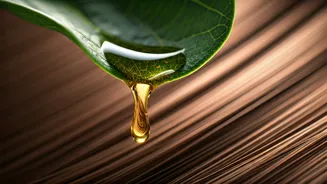
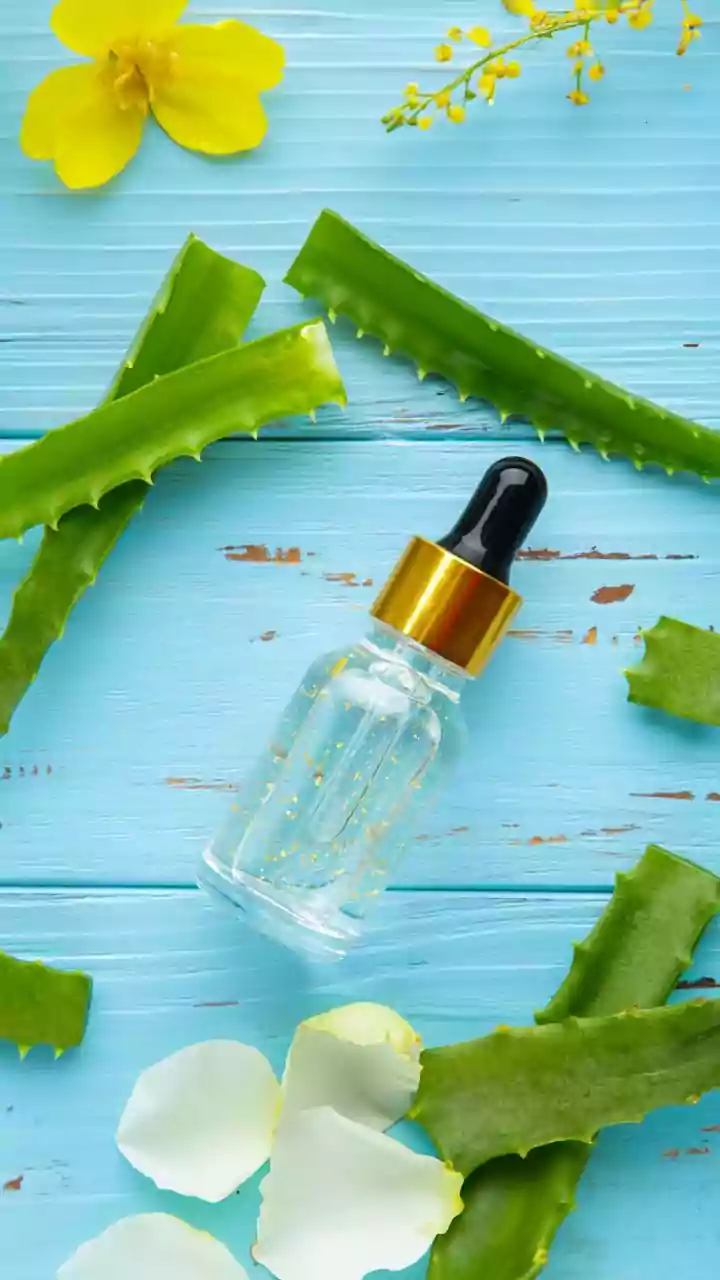
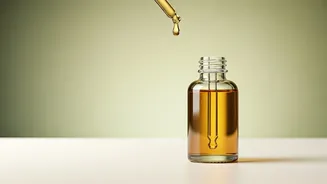
You don’t need an exotic, expensive product to start. The best oil is often one you might already have in your pantry. Coconut oil is a classic for a reason; its molecular structure is small enough to penetrate the hair shaft effectively. Argan oil is a fantastic lightweight option for taming frizz and adding shine without weighing down finer hair. Jojoba oil is another excellent choice, as its composition is very similar to the natural sebum produced by our scalps, making it great for balancing oil production. For those wanting to explore further, many brands now offer beautiful pre-blended Ayurvedic oils featuring ingredients like amla and brahmi, which are revered for their strengthening properties.