



A Festival of Water and Joy
Before we get to the food, you have to understand the party. Held every year on June 24th, Sao Joao (pronounced 'San-Jow') is the feast of St. John the Baptist. While it has Catholic roots, the Goan celebration is a spectacular blend of religious tradition
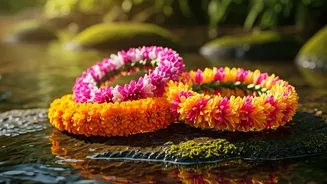
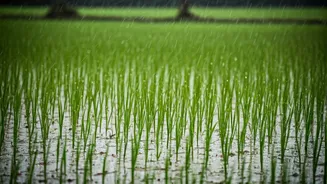
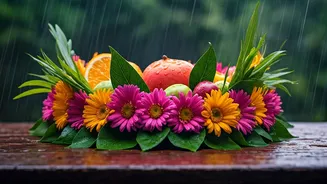
and pure, unadulterated fun. The main event? Leaping into overflowing wells, streams, and ponds. This act symbolizes the joy St. John felt in his mother's womb when Mary visited her. But for locals and visitors in the Indian state of Goa, it's a thrilling, communal baptism into the monsoon season. Revelers, often fueled by the local spirit Feni, don colorful 'kopels'—crowns woven from fresh flowers and fruits—and parade through villages, singing traditional songs. It’s a vibrant, water-logged spectacle that feels a world away from the typical beach-centric image of Goa.
It Starts with Fruits and Feni
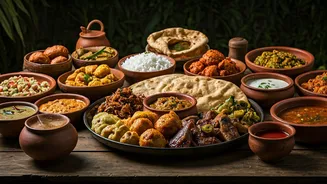
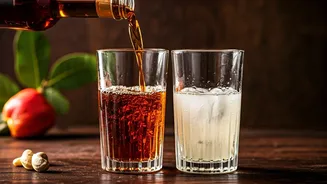
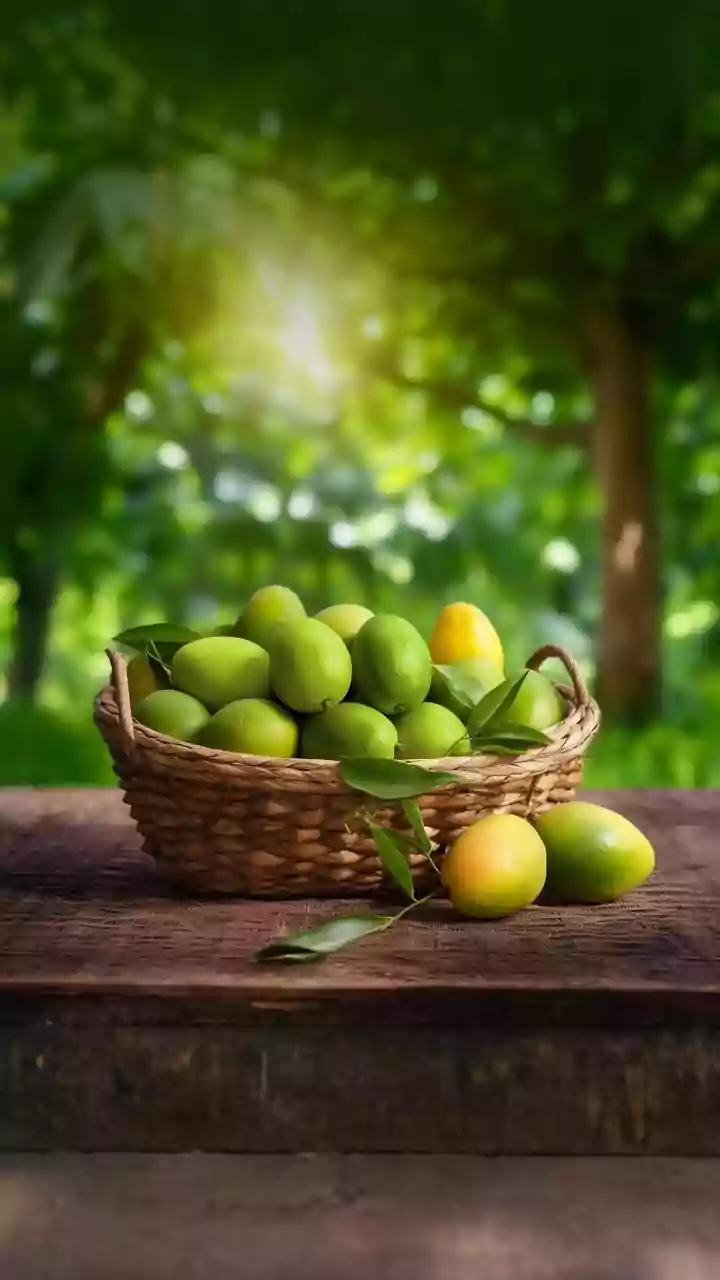
The food of Sao Joao is inextricably linked to the season. The monsoon brings a bounty of fresh produce, and the festival revolves around sharing it. Families and neighbors exchange platters laden with jackfruit, mangoes, pineapples, and bananas. This act of giving is as central to the day as the singing and swimming. But the undisputed king of the celebration drink menu is Feni. This potent local liquor, distilled from either cashew fruit or coconut sap, has a protected geographical indication, just like Champagne. During Sao Joao, it’s consumed with gusto, often mixed into cocktails or enjoyed straight. It’s the social lubricant that powers the day-long festivities, a fiery, aromatic spirit that tastes uniquely of its Goan home.
The Sweet, Steamed, and Savory Stars
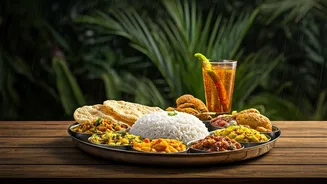
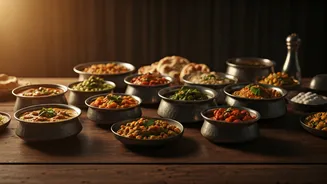
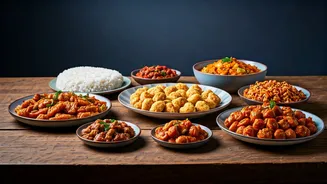
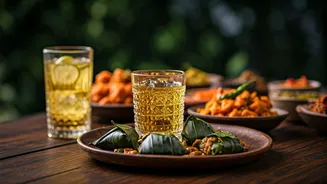
Now for the dishes flooding your feed. The most iconic Sao Joao treat is the patoleo. These aren't just sweets; they're an aromatic experience. A delicate paste of red rice and water is spread onto fresh turmeric leaves, which are then filled with a heavenly mixture of grated coconut and jaggery (a type of unrefined cane sugar). The leaves are folded, sealed, and steamed. When you unwrap a patoleo, the incredible fragrance of the turmeric leaf hits you first, followed by the warm, gooey, sweet filling. Another staple is sannas. Imagine a crossover between a fluffy sourdough pancake and a South Indian idli. These spongy, steamed rice cakes are lightly fermented, giving them a subtle tang that can be made either sweet with jaggery or savory to accompany rich, spicy curries. On the savory side, you’ll find hearty Goan classics like sorpotel, a complex and fiery pork curry with Portuguese origins, perfect for soaking up with sannas after a day of celebration.
From Goan Wells to Your Feed
So, why is this hyper-local festival suddenly popping up on screens across the U.S.? The 'going viral' aspect isn't about a single TikTok dance; it's about a convergence of factors. As global travel has rebounded, so has the desire for authentic, off-the-beaten-path cultural experiences. Goa, long known to international travelers for its beaches, is now being discovered for its rich inland culture. Food and travel influencers, both Indian and international, are highlighting these lesser-known traditions. The visual appeal is undeniable: the lush greenery of the monsoon, the bright flower crowns, and the beautifully rustic food create a compelling story for platforms like Instagram and YouTube. This digital spotlight offers a window into a tradition that has thrived for centuries, allowing a global audience to appreciate its unique charm without diluting its local spirit.