



Wage a Preemptive War on Weeds
Right now, your nemesis is still gathering its forces. The weeds that are popping up are likely annuals, and they haven't had a chance to go to seed yet. This is your moment. An hour of dedicated weeding in June is worth ten hours of soul-crushing labor
in August when a million crabgrass seeds have sprouted and bindweed is strangling your prize-winning dahlias. Pull them now while the soil is still relatively moist from spring rains and their roots are shallow. Every weed you pull is a future generation you’ve just prevented. Think of it less as a chore and more as a highly effective, preemptive strike against the coming anarchy.
Deploy Strategic Mulch
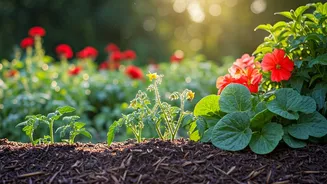
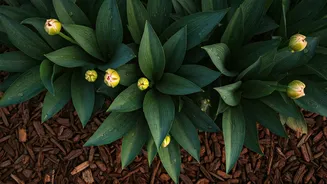
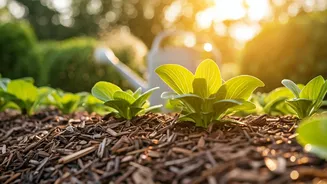
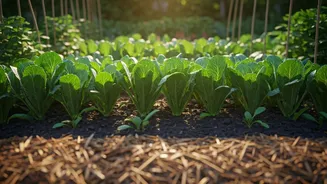
If you haven't mulched yet, this is your absolute last call for a peaceful application. Spreading a two-to-three-inch layer of mulch (shredded bark, straw, or compost) around your plants now is a triple-win. First, it locks in that precious soil moisture, meaning you’ll have to water less frequently when the July sun is relentlessly baking the earth. Second, it smothers most of those weed seeds you missed, drastically cutting down on your future weeding duties. Third, as organic mulches break down, they enrich the soil. It’s the single best thing you can do to keep your garden looking tidy and feeling resilient when the heat and weeds launch their coordinated attack next month.
Establish Your Support System
Your tomatoes are cute little plants right now. Your climbing beans are just starting to send out tentative tendrils. It’s a lie. They are planning a hostile takeover of your garden, and they will collapse under their own ambition without your help. June is the time to install stakes, cages, and trellises. Doing it now, while the plants are small, is easy. You can place the supports without breaking stems or trampling root systems. Trying to cage a four-foot-tall tomato plant is a recipe for broken branches and despair. Support your peonies, delphiniums, and any other top-heavy perennials before a summer thunderstorm flattens them for good.
Begin Pest and Disease Patrol
The bad guys are arriving, but they're still in small numbers. This is not the time for a full-scale assault; it’s time for reconnaissance. Take a walk through your garden every couple of days. Turn over leaves and look for the eggs of squash bugs. Check the new growth on your roses for aphids. Look for the first signs of powdery mildew on your squash leaves. A small infestation can often be handled by simply squishing the bugs, picking off the affected leaf, or hitting it with a blast of water from the hose. Waiting until July, when entire colonies are established, means you're fighting a much bigger, more frustrating battle.
Deadhead for Future Glory
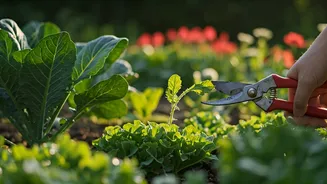
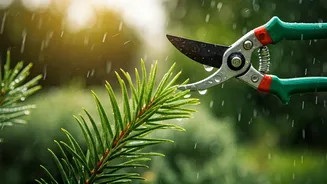
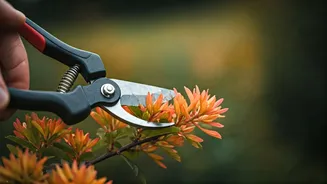
As your early perennials and annuals like pansies or columbines finish their first flush of flowers, they have one goal: make seeds. If you let them, they’ll consider their job done for the year and stop blooming. Don't let them. Deadheading, or snipping off the spent flowers, tricks the plant into trying again. It redirects the plant's energy from seed production back into creating more flowers. For plants like petunias, cosmos, and zinnias, this is the key to a summer-long flower show. For bushier plants like basil and coleus, pinching back the growing tips will encourage them to become fuller and more productive instead of tall and leggy. This is the editing phase—you’re the creative director of your garden, shaping it for a spectacular main performance.