


More Than Just a Slower Pace
At its core, 'slow travel' isn't about moving at a snail's pace. It’s a mindset, a deliberate rejection of the traditional, hyper-packaged tourist experience. Think of it as the travel equivalent of the Slow Food movement, which champions local sourcing
and mindful consumption over fast-food efficiency. Instead of racing through a checklist of landmarks in 48 hours, a slow traveler might spend a week or more in a single town, neighborhood, or even a single rural valley. The goal isn't to 'see' a place, but to inhabit it, even if just for a little while. It's about swapping the highlight reel for the full story, choosing depth over breadth, and prioritizing connection—to the local culture, the natural environment, and oneself—over consumption.
The Anti-Checklist Vacation
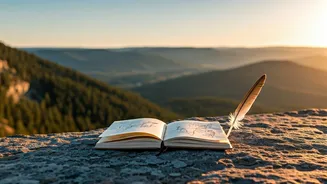
The phrase "forests, not room service" perfectly captures the movement’s value system. It’s not an outright rejection of comfort, but a redefinition of luxury. For a slow traveler, luxury isn’t a mint on the pillow; it's the uninterrupted time to watch a sunset, the ability to have a long conversation with a local shopkeeper, or the simple joy of learning how to cook a regional dish from someone who has made it their whole life. This philosophy directly challenges the pressure of the 'Instagrammable' vacation, where the drive to capture perfect, envy-inducing photos can overshadow the actual experience. Slow travel encourages putting the phone down and engaging the senses. It’s about creating memories that live in your mind, not just in your camera roll.
An Antidote to Modern Burnout
The rise of slow travel is no accident; it’s a direct response to the pervasive 'hustle culture' that dominates modern American life. When our daily existence is defined by packed schedules, constant connectivity, and the pressure to optimize every minute, the last thing many of us need is a vacation that mirrors that same frantic energy. The post-pandemic world, in particular, prompted a widespread reevaluation of what matters. Many people realized that true rest isn't about simply not working—it's about actively disconnecting and recharging. Slow travel offers a framework for this kind of genuine restoration. It replaces the anxiety of missing out (FOMO) with the quiet confidence of being fully present. It’s a form of travel that doesn’t require another vacation to recover from.
Finding the Authentic Path
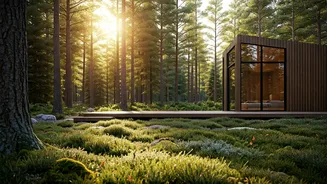
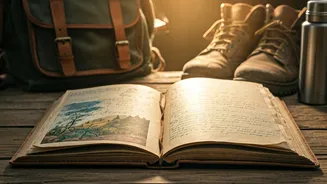
So what does slow travel look like in practice? It might mean renting a small cabin in the Blue Ridge Mountains for two weeks instead of flying to a different city every three days. It could be staying in an 'agriturismo' in the Italian countryside, helping with the olive harvest, or simply basing yourself in one Parisian arrondissement and exploring its bakeries, parks, and markets as if you were a local. Transportation often involves trains, bicycles, or your own two feet, which not only reduces your carbon footprint but also allows for spontaneous discoveries along the way. This approach inherently supports smaller, local economies over massive international hotel chains and tour operators. It's a more sustainable, responsible, and ultimately, a more human way to see the world.