





A Nation Under a Heat Dome
Imagine a summer where the air itself feels like a physical weight. For hundreds of millions in India, this isn't a dystopian fantasy; it's the reality from April to July. In recent years, climate change has turned seasonal heat into a recurring, life-threatening
crisis. Major cities like New Delhi and Kolkata routinely see temperatures climb well past 110°F (43°C), with ‘feels-like’ temperatures soaring even higher. This isn't just uncomfortable. It's dangerous, leading to widespread heatstroke, shuttered schools, and a palpable slowdown of daily life. The relentless, baking heat has fundamentally altered the rhythm of the year, creating a new, desperate season defined by one goal: escape.
The Great Escape to Higher Ground
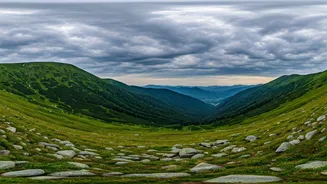
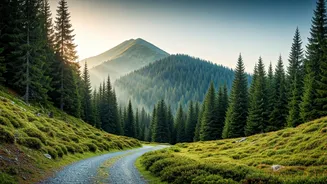
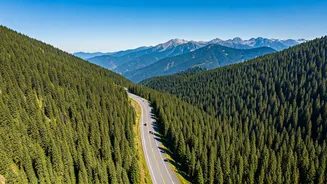
The answer, for those who can afford it, lies in the mountains. A massive, seasonal migration is underway as families, remote workers, and even entire companies pack their bags and head for the hills. Destinations in states like Himachal Pradesh and Uttarakhand—home to famed towns like Shimla, Manali, and Nainital—are experiencing an unprecedented tourism boom. Travel portals report booking surges of 40-50% for these cooler climes, with hotel occupancies hitting 100%. The highways leading north become clogged with a river of steel, a testament to the collective flight from the plains. These aren't just weekend trips anymore; they are extended stays, with people working remotely for weeks or months at a time, effectively redrawing India's work-life map around the heatwave calendar.
A Colonial Legacy, A Modern Refuge
There's a deep historical irony to this modern exodus. The very concept of the Indian ‘hill station’ is a relic of British colonial rule. In the 19th century, British administrators and their families, unable to cope with the subcontinent's brutal summers, established summer capitals in the Himalayan foothills. Towns like Shimla—the official summer capital of the British Raj—were built as replicas of English villages, complete with Tudor-style cottages and manicured gardens, all designed to escape the heat and the ‘real’ India below. Today, Indians are reclaiming these colonial refuges for the exact same reason their former rulers created them. What was once a symbol of imperial separation has become a democratic, if chaotic, release valve for a nation under climatic stress.
Paradise Under Pressure
But this mass escape comes at a cost. The very places offering refuge are buckling under the strain. These small mountain towns, with their fragile ecosystems and limited infrastructure, were never designed to handle such a massive, concentrated influx of people and cars. The result is a paradox: a search for peace that creates chaos. Water shortages are becoming common as local supply is diverted to hotels. Garbage piles up, and traffic chokes the narrow, winding roads. The pristine natural beauty that draws people in is being threatened by the sheer volume of its admirers. This annual siege is a warning sign that the hill station solution is not a sustainable one. It’s a temporary fix that puts immense pressure on the communities and environments that are supposed to be the escape.