




The Rise of 'Soft Adventure'
First, let's define our terms. Adventure travel isn't just about scaling Everest or hacking through dense, uncharted jungle. The 'soft adventure' category has exploded in popularity, catering to those who want to engage with a destination actively, but
without the high risk, intense physical demands, or specialized skills required for 'hard' adventure. Think less about survival training and more about scenic discovery. It’s the perfect middle ground between a passive beach vacation and a full-blown expedition. It’s snorkeling in a calm bay, not cage-diving with sharks. It’s a guided forest walk, not a multi-day unsupported trek. And the Andaman Islands are emerging as a world-class playground for exactly this kind of travel.
Pristine Beaches Beyond the Postcard
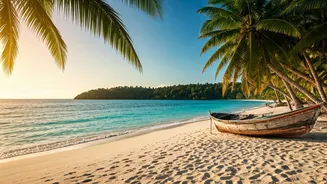
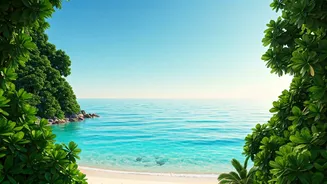
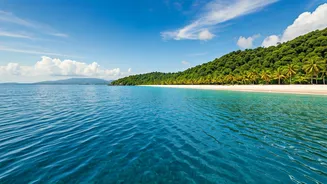
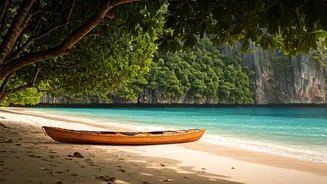
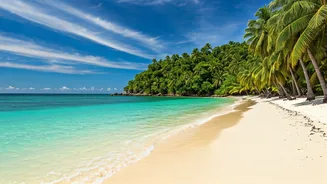
The foundation of any great island trip is the coastline, and the Andamans deliver in spectacular fashion. The archipelago, a union territory of India, is famed for its white-sand beaches, mangrove creeks, and turquoise waters. While places like Thailand’s Phuket or Indonesia’s Bali are household names, the Andamans retain a sense of unspoiled paradise. The star is often Radhanagar Beach on Swaraj Dweep (formerly Havelock Island), frequently listed among Asia's best beaches. Its wide crescent of soft sand is backed by lush forest, and the calm, clear water is perfect for swimming. But the adventure lies in renting a scooter and discovering your own secluded cove, far from the main access points.
Accessible Underwater Wonders
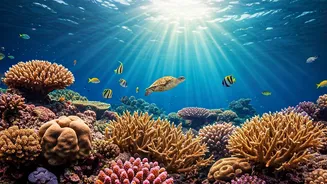
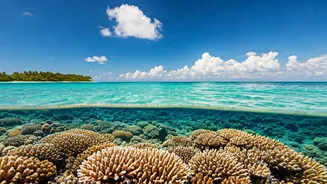
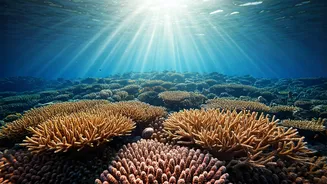
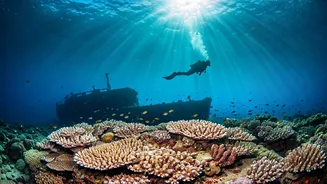
You don't need to be a master scuba diver to experience the Andamans' incredible marine biodiversity. The islands' coral reefs are relatively healthy and teeming with life, and much of it is accessible to beginners. Snorkeling is the main event here. Spots like Elephant Beach (reachable by a short boat ride or a gentle forest trek) offer vibrant coral and colorful fish just feet from the shore. For those wanting to go a bit deeper without committing to a full PADI certification, many dive centers offer 'Discover Scuba' programs in calm, shallow waters. There's even 'sea walking,' an activity where you wear a helmet that feeds you oxygen, allowing you to walk on the seafloor and see the fish up close—no swimming skills required.
Gentle Treks and Mangrove Kayaking
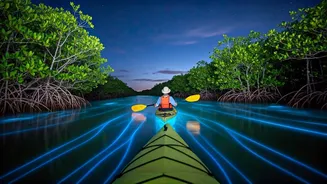
The 'adventure' isn't confined to the water. The interiors of islands like Swaraj Dweep and Baratang are covered in tropical forests and intricate mangrove systems. These aren't impenetrable jungles requiring a machete; they are accessible via guided tours that offer a taste of the wild. A popular soft adventure is kayaking through the dense mangrove creeks. Paddling silently through these unique ecosystems, you can spot birds and other wildlife in a low-impact way. Similarly, there are easy-to-moderate hiking trails, like the path to Mundapahar Beach in Chidiyatapu, which offer rewarding views without demanding extreme fitness. It’s immersion in nature on your own terms.
Comfort Meets Castaway Charm
The 'soft' part of the equation is crucial, and the Andamans' tourism infrastructure has evolved to meet this need. While you won't find massive, all-inclusive mega-resorts, you will find a fantastic range of eco-lodges, stylish boutique hotels, and comfortable beachside bungalows, particularly on Swaraj Dweep (Havelock) and Shaheed Dweep (Neil Island). These accommodations prioritize atmosphere and connection to nature over sheer size. You can spend your day exploring and return to a hot shower, a delicious meal of fresh seafood, and a comfortable bed. This balance is what makes the Andamans so appealing—it feels remote and adventurous, but it doesn't require you to sacrifice comfort.
Logistics for U.S. Travelers
Getting to this remote paradise is part of the adventure, but it's straightforward. You'll need to fly into Veer Savarkar International Airport (IXZ) in Port Blair, the capital city. There are no direct international flights, so U.S. travelers will typically connect through a major Indian city like Chennai, Bengaluru, or Delhi. U.S. citizens require a standard Indian tourist visa. Additionally, the Andaman and Nicobar Islands are a Restricted Area. However, for tourism purposes, a Restricted Area Permit (RAP) is typically granted on arrival at the Port Blair airport, free of charge, for a stay of 30 days. From Port Blair, government and private ferries connect you to other islands like Swaraj Dweep and Shaheed Dweep.