


Why Embrace the Downpour?
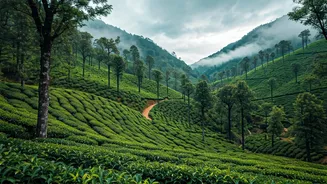
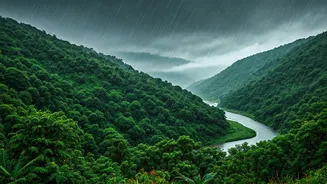
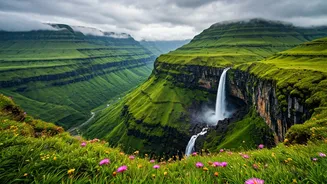
Most vacation planning revolves around avoiding rain. But in Meghalaya, a state in Northeast India, the monsoon season (roughly June to September) is when the landscape truly performs. The rolling Khasi hills explode into a hundred shades of impossible
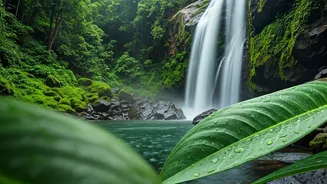
green. Waterfalls that are mere trickles in the dry season transform into thunderous cascades. Mist weaves through pine forests and valleys, creating an ethereal, almost mystical atmosphere. This isn't a trip for sunbathers; it's for adventurers who want to see nature at its most powerful and dramatic. The air is clean, the temperatures are cool, and the entire state feels washed anew. It’s a sensory experience, from the smell of wet earth to the constant, soothing sound of falling rain.
Shillong: Your Command Center
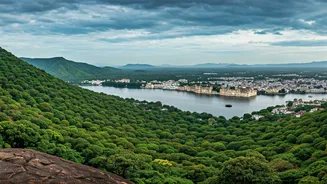
At the heart of this verdant world is Shillong, a hill station with a unique blend of colonial history and modern Khasi culture. It’s the perfect basecamp for your monsoon explorations. Unlike more remote villages, Shillong offers comfortable hotels, a fantastic café scene for warming up with a hot drink after a day of exploring, and bustling markets like Police Bazar. Known as the “Rock Capital of India,” the city has a youthful energy and a surprisingly cosmopolitan vibe. You can spend your evenings enjoying live music or sampling local delicacies before venturing out again the next day. Its central location and robust infrastructure mean you can enjoy the wildness of Meghalaya without sacrificing comfort and connectivity.
Day Trips to the Wettest Places on Earth
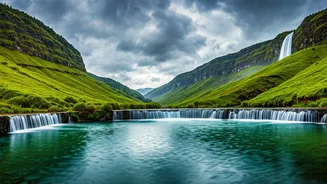
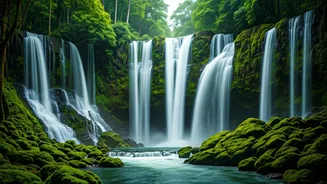
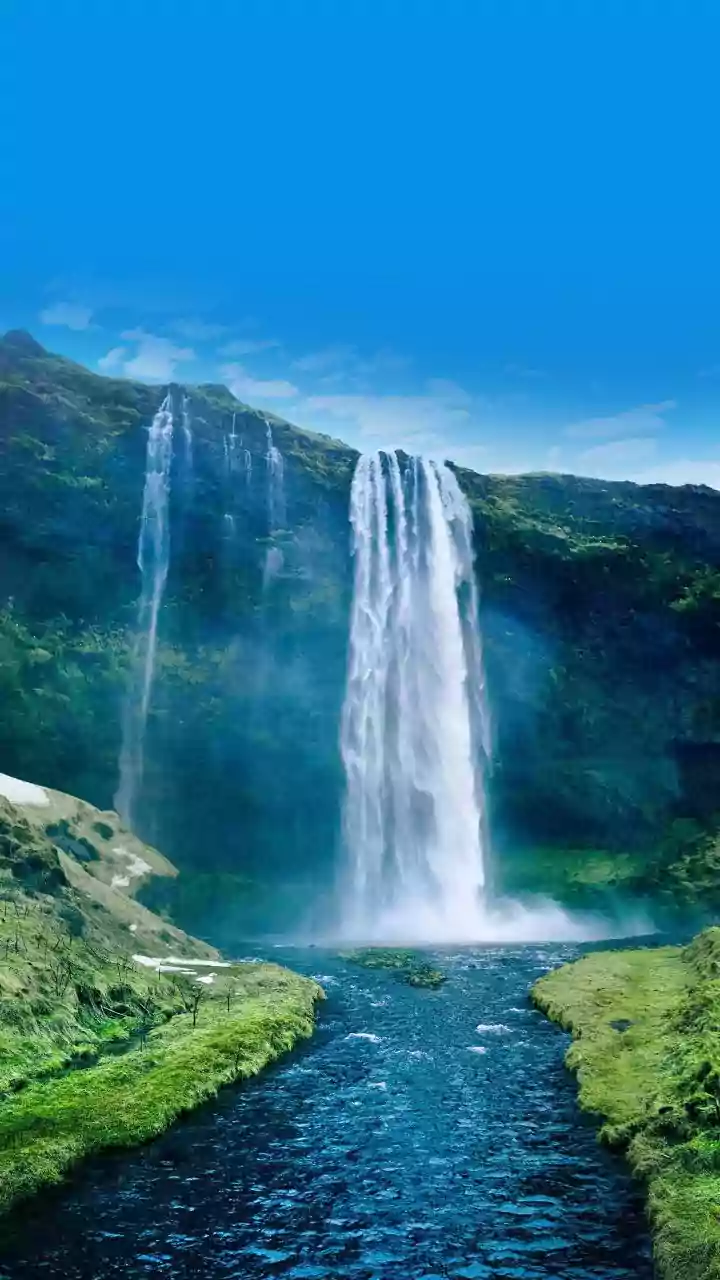
From Shillong, the wonders of the monsoon are just a drive away. Head south towards the two places that vie for the title of “wettest place on Earth”: Cherrapunji (now officially Sohra) and Mawsynram. This is where you’ll witness the region’s most spectacular waterfalls. Nohkalikai Falls, India's tallest plunge waterfall, is a breathtaking sight, plunging from a misty cliffside into a turquoise pool below. Nearby, the Seven Sisters Falls offer a panoramic view of multiple cascades tumbling side-by-side down a limestone cliff. The drives themselves are part of the adventure, with winding roads offering jaw-dropping views of cloud-filled valleys at every turn. Local taxi services are readily available in Shillong for full-day hires, making these incredible sights surprisingly accessible.
Walking on Living Bridges
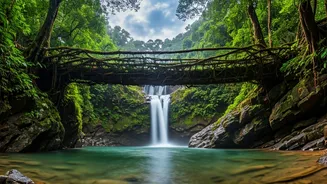
Perhaps Meghalaya's most famous and fascinating attractions are its living root bridges. These are not built, but grown. For centuries, the indigenous Khasi and Jaintia peoples have guided the roots of rubber fig trees across rivers and ravines, weaving them into strong, living structures that become more robust over time. While the famous “double-decker” bridge requires a significant trek, several single-root bridges are more easily accessible on day trips from Shillong. Walking across one of these ancient, moss-covered marvels, with a rain-swollen river rushing beneath your feet, is an unforgettable experience—a testament to sustainable engineering and a deep harmony between humans and nature.
The Practical Side of a Soaking
Traveling during the monsoon requires the right gear and mindset. Pack light, but pack smart. Waterproof jackets, pants, and shoe covers are non-negotiable. Choose footwear with excellent grip, as trails can get slippery. A waterproof bag or cover for your electronics and wallet is essential. To get there, most travelers fly into Guwahati Airport (GAU) in the neighboring state of Assam, a major hub with good connections, and then take a scenic three-hour taxi ride up to Shillong. While Shillong has its own smaller airport (SHL), flights are less frequent. Most importantly, embrace the rain. It’s not a bug; it’s the feature. A sudden downpour is just an excuse to duck into a tea stall and watch the world go by.