


The High-Altitude Desert: Ladakh
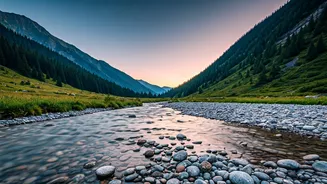
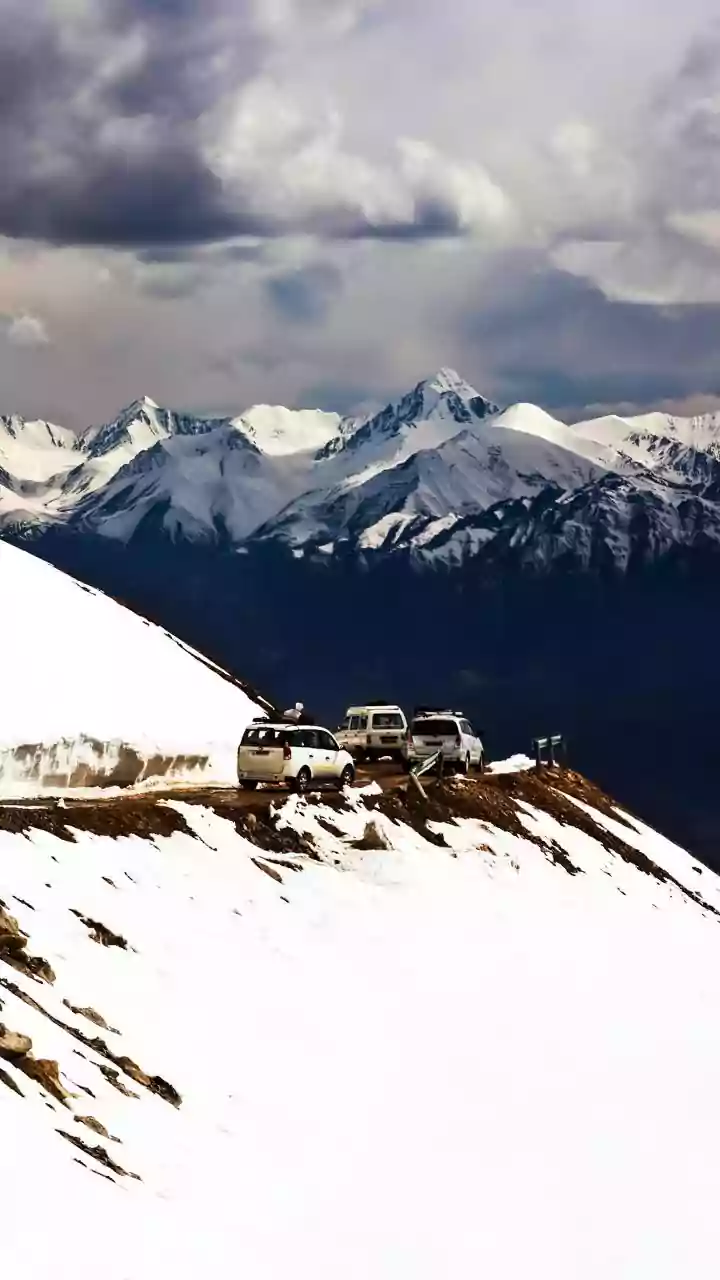
Forget what you know about Indian weather. Tucked away in the Himalayas, Ladakh is a high-altitude desert that largely escapes the monsoon that drenches the rest of the subcontinent. From June to September, when other regions are saturated, Ladakh is in its
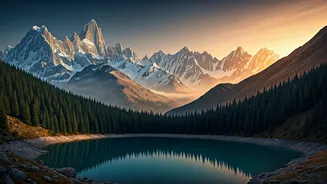
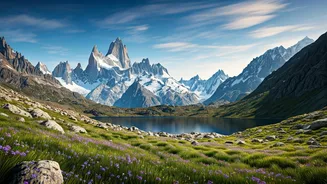
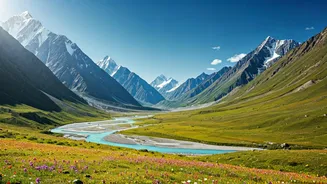
prime. Think crisp mountain air, brilliant blue skies, and average daytime temperatures hovering in the comfortable 60s and 70s Fahrenheit. It’s a landscape of stark, breathtaking beauty—barren mountains, turquoise lakes like Pangong Tso, and ancient Buddhist monasteries clinging to cliffs. This is the season for epic road trips along some of the world's highest motorable passes, multi-day treks through stunning valleys, and vibrant monastic festivals that dot the summer calendar. It feels less like India and more like Tibet, earning it the nickname "Little Tibet."
The Colonial Retreat: Shimla & Manali
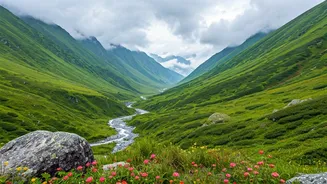
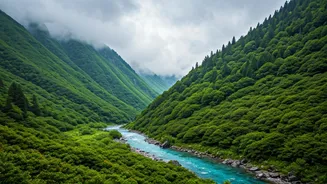
If your fantasy involves sipping tea while wrapped in a light sweater as mist rolls through pine forests, head to Himachal Pradesh. This state is home to classic British colonial hill stations like Shimla and Manali. During the summer monsoon, these towns are transformed into lush, green wonderlands. While you’ll encounter rain, it often comes in predictable afternoon bursts, leaving the mornings and evenings clear and refreshed. The drama of the clouds moving through the valleys is a spectacle in itself. In Shimla, the former summer capital of British India, you can stroll the pedestrian-only Mall Road, admiring the colonial architecture. Manali offers a more bohemian, adventurous vibe, serving as a gateway for short treks, waterfall hikes, and exploring the apple orchards of the Kullu Valley. The cool, rain-washed air is a welcome antidote to summer humidity.
The Emerald South: Munnar, Kerala
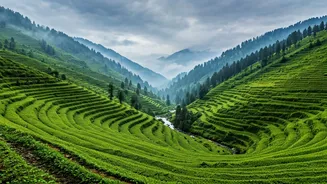
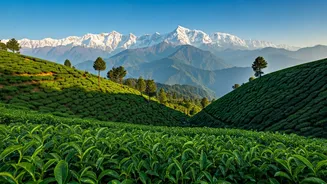
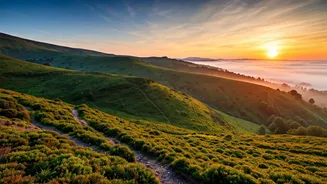
While the Himalayas get most of the cool-weather attention, the Western Ghats in South India offer their own version of a summer escape. Munnar, a hill station in the state of Kerala, is famous for its rolling hills covered in meticulously manicured tea plantations. During the monsoon season (June to September), the entire region is washed clean, turning an impossible shade of emerald green. The temperatures are cool and pleasant, perfect for exploring the tea gardens and visiting Eravikulam National Park, home to the endangered Nilgiri tahr. The waterfalls are at their most powerful, and the crowds are significantly smaller than during the peak winter tourist season. It’s a romantic, atmospheric destination where the main activity is simply soaking in the serene, misty landscapes.
The Eastern Vista: Darjeeling & Gangtok
In India's northeast, the hill stations of Darjeeling (West Bengal) and Gangtok (Sikkim) offer a unique blend of Himalayan scenery and Tibetan-Buddhist culture. While the monsoon is heavy here, it also brings a certain magic. The clouds can obscure the famous views of Mount Kanchenjunga for days, but when they part, the reveal is all the more spectacular. Darjeeling, famous for its eponymous tea, offers rides on the historic Toy Train and visits to sprawling tea estates. Gangtok, the capital of Sikkim, is a remarkably clean and organized city that serves as a base for exploring monasteries like Rumtek. The monsoon season is a time for introspection here—enjoying cozy cafes, trying local momos (dumplings), and watching the rain nourish the vibrant flora. It's an off-season trip for the patient traveler who's rewarded with solitude and verdant beauty.
The Traveler's Trade-Off
Embracing India’s cool-weather summer means embracing a different style of travel. The upside is undeniable: fewer crowds, lower prices on flights and hotels, and landscapes at their most lush and vibrant. You're experiencing a side of the country many tourists miss. The trade-off, especially in monsoon-affected areas, is the potential for travel disruptions. Landslides can occasionally block roads in the Himalayas, and persistent rain can alter trekking plans. But with a flexible itinerary and the right mindset, these challenges become part of the adventure. It’s about swapping the frantic energy of peak season for a slower, more atmospheric, and often more authentic experience.