





Read the Weather Like a Local
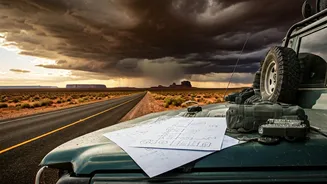
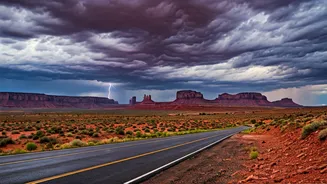
During monsoon season, a clear morning is a poor predictor of the afternoon. Storms develop with stunning speed, sending water rushing into areas that saw no rain. Your prep starts by checking the National Weather Service forecast multiple times a day.
Pay close attention to Flash Flood Watches (conditions are favorable) and Warnings (a flood is imminent). Use a weather app with radar to see storm cells building, and get this information *before* you lose cell service in the backcountry. This isn't about a general "chance of rain"—it's about understanding specific, localized threats.
Never Underestimate a Wash
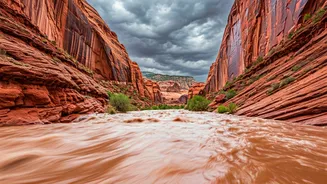
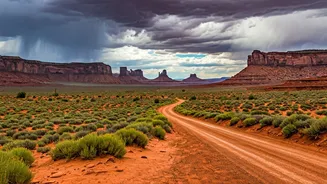
Slot canyons are iconic, but during monsoon season, they can become deadly traps. A storm miles away can send a wall of water and debris rushing through a narrow canyon with no escape. Many experienced hikers avoid them entirely from July to September. If you go, do so only on days with a perfectly clear forecast, preferably with a guide, and know your escape routes. The same logic applies to any hike in a dry wash. These are nature's drains. If you see clouds gathering or hear a distant roar, immediately seek higher ground.
Master Monsoon Driving
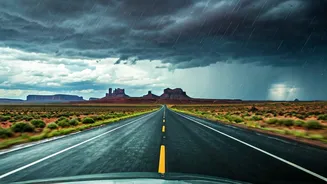
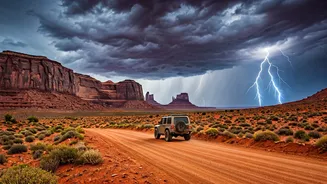
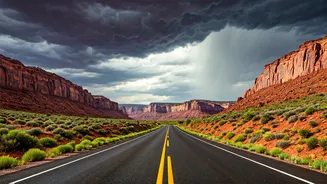
Your vehicle offers protection, but only if driven wisely. The top rule is "Turn Around, Don't Drown." It takes just a foot of moving water to sweep a vehicle away. If you see water crossing the road, stop and turn back; you can't know its depth or speed. Another threat is the haboob, or dust storm. These can drop visibility to zero in seconds. If caught, pull as far off the road as possible, turn off your lights, and take your foot off the brake so other drivers don't follow you into a collision. Wait for it to pass.
Pack Beyond the 10 Essentials
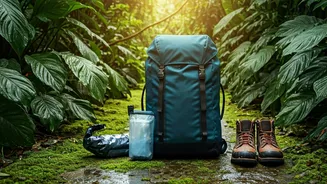
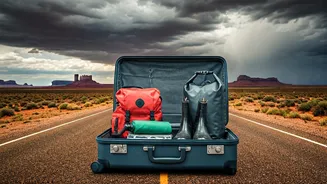
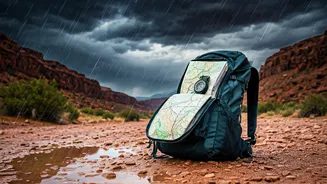
Your standard hiking kit needs a few upgrades. In addition to the essentials, pack a high-quality rain jacket and pants; a brief downpour can cause a dangerous drop in body temperature. Keep extra food and water in your car in case you're stranded by a washed-out road. A satellite messenger is a wise investment, as you can't rely on cell service in remote areas. Finally, pack patience. Your entire trip might need to change based on the weather. A good book for a long wait in the car is one of the best pieces of gear you can have.
When Thunder Roars, Go Indoors
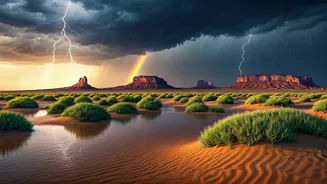
The lightning displays are spectacular, but you don't want a front-row seat. The rule is simple: If you can hear thunder, you are close enough to be struck. Your goal is to get inside a substantial building or a hard-topped vehicle. Avoid picnic shelters, isolated trees, and rocky overhangs, as these are all common targets for strikes. If caught in the open with no escape, make yourself a small target by crouching down in a ball, but this is an absolute last resort. On a hike, turn back long before the storm is directly overhead. Appreciate the show from a safe distance.