






An Archipelago Built on Dreams
For many Americans, the Andaman and Nicobar Islands are a far-flung paradise, a name whispered in conversations about the world’s best scuba diving and most remote beaches. Located in the Bay of Bengal, this Indian archipelago is closer to Thailand than
to the Indian mainland. Its reputation is built on stunning natural beauty, particularly on islands like Havelock (Swaraj Dweep) and Neil (Shaheed Dweep). These are the places you go to disconnect, with world-class dive sites, bioluminescent waters, and an unhurried pace of life. The main attractions—snorkeling, diving, sunbathing on Radhanagar Beach, and island-hopping via ferry—all depend on one thing: clear skies and calm seas. This is why a simple weather app becomes the most important tool for anyone with a ticket booked to this idyllic corner of the world.
Decoding the Dual Monsoons
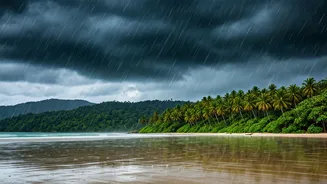
Unlike many tropical destinations with a single, clear-cut rainy season, the Andamans are influenced by two distinct monsoons. This is the crucial detail that often trips up first-time visitors. The primary Southwest Monsoon strikes from late May to September. This is the heavy-hitter, bringing strong winds, frequent and intense downpours, and rough seas that can make inter-island travel challenging, if not impossible. Then, from October to December, the Northeast Monsoon arrives. It’s generally less intense, characterized by lighter, more sporadic rainfall and calmer seas. The peak tourist season, with the most stable and driest weather, typically runs from January to early May. Travelers booking trips in the “shoulder” months like October or May are the ones most anxiously refreshing their weather apps, hoping to thread the needle between avoiding crowds and dodging the worst of the rain.
The Real-World Impact of Rain
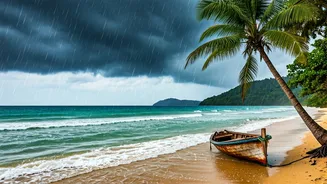
In the Andamans, rain isn't just a minor inconvenience; it's a logistical challenge that can disrupt an entire itinerary. The archipelago’s islands are connected primarily by ferries, both government-run and private. During heavy rain and high winds, these services are often suspended for safety reasons. A canceled ferry could mean being stuck on an island longer than planned or, conversely, being unable to reach your hotel on Havelock or Neil from the main arrival port of Port Blair. Beyond transport, heavy rains impact the very activities that draw people here. Scuba diving and snorkeling operators may cancel trips due to poor visibility and unsafe sea conditions. Some beaches and trekking routes can become inaccessible or temporarily closed. What was planned as a sun-drenched week of island-hopping can quickly become a few quiet days of reading a book and watching the storm roll in.
Smart Strategies for Your Trip
Watching the forecast doesn’t have to be a passive act of anxiety. With smart planning, you can mitigate the risks. First, if your dates are flexible, aim for the peak season (January-April) for the highest probability of good weather. If you must travel during or near the monsoon, build flexibility into your schedule. Don't book back-to-back, non-refundable activities. Keep at least a day or two free as a buffer. Consider staying on the larger, more developed South Andaman Island (where Port Blair is located) as your base, taking day trips when the weather permits, rather than committing to a smaller island you could get stranded on. Most importantly, communicate. Talk to your hotel and tour operators before you go. They have the best on-the-ground information and can advise you on the feasibility of your plans. Booking refundable accommodations and having good travel insurance is also non-negotiable during these months.
The Silver Lining of the Off-Season
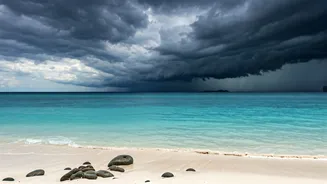
While it requires a different mindset, a monsoon-season trip to the Andamans isn’t necessarily a write-off. For some, it’s even preferable. The downpours transform the islands into a lush, vibrant green. The dramatic, cloudy skies can be breathtakingly beautiful. The biggest advantage, however, is the lack of crowds. You’ll have popular spots almost to yourself. Furthermore, flight and hotel prices are often significantly lower, making it a more budget-friendly option. A trip during this time is less about a frantic, activity-packed schedule and more about embracing a slower, more contemplative experience. It’s about enjoying the sound of the rain from a covered veranda, savoring fresh seafood in a quiet cafe, and seeing a different, more dramatic side of this tropical paradise.