
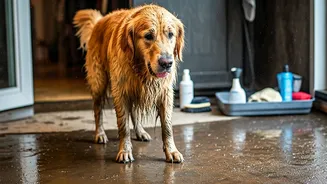
Start with a Strategic Trim
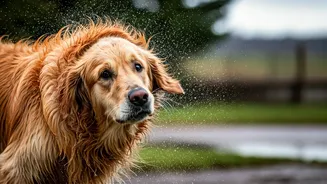
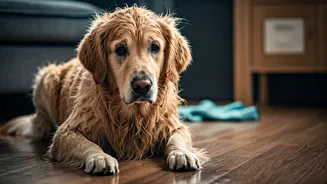
Long hair acts like a mop, soaking up water and collecting mud, leaves, and other debris. Before the downpours begin, schedule a visit to the groomer or break out your own tools for a strategic trim. Focus on the areas that get the dirtiest: the paws,
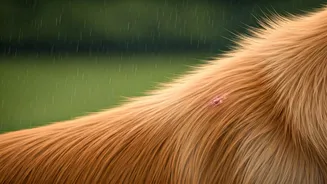
the underbelly, and the legs. For dogs with feathery fur on their legs and tail, shortening it can dramatically reduce the amount of gunk they track inside. The goal isn't a show cut, but a practical “mud cut” that makes cleaning easier and helps your dog dry faster, reducing the risk of skin irritations that can fester in damp fur.
Reinforce the Coat with Brushing
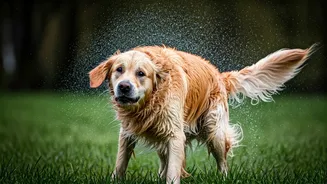
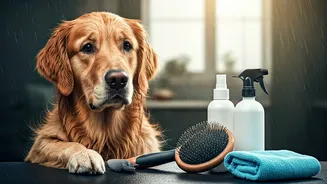
A well-brushed coat is a dog’s first line of defense against the elements. Regular brushing removes loose fur and tangles that would otherwise trap moisture and dirt against the skin. When a coat is matted, it can't dry properly, creating a warm, damp environment perfect for bacteria and yeast to thrive, leading to skin infections and that persistent “wet dog” smell. For double-coated breeds, using a de-shedding tool before the rainy season can thin out the undercoat, allowing for better air circulation and quicker drying times. A strong, healthy coat naturally repels a surprising amount of water and dirt, so think of brushing as weatherproofing your pet.
Get Serious About Paw Care
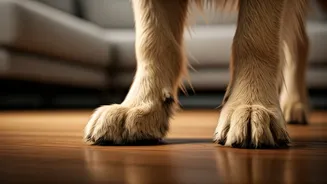
Paws are ground zero for mud. Start by carefully trimming the hair around and between your dog’s paw pads. This simple step prevents mud from caking into the fur and makes cleanup a breeze. Keeping their nails trimmed is also crucial, as long nails can cause their toes to splay, creating more surface area for mud to collect. For extra protection, consider a paw balm or wax. These products create a barrier against wet, rough, or cold surfaces and can help prevent the painful cracking that sometimes occurs when paws are constantly wet and then dry. A quick paw inspection after each walk is a good habit to get into, regardless of the season.
Establish an At-Home Drying Station
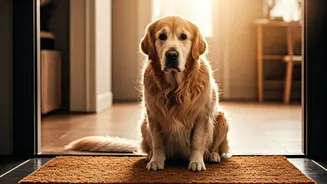
The battle against mud is often won or lost in the first five feet of your home. Designate a specific entryway as your official “mud zone.” Equip it with everything you need for a quick and efficient cleanup. The key is to have it all ready *before* you open the door. Lay down an old towel or a machine-washable mat. Stock the area with highly absorbent microfiber towels, which are far more effective than standard cotton bath towels. A container of pet-safe wipes is perfect for faces and other sensitive spots. For a truly next-level setup, consider a paw plunger or portable paw washer—a simple device you fill with water to quickly rinse paws one by one.
Master the Post-Walk Routine
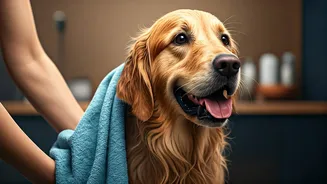
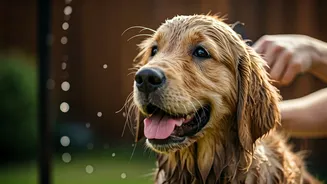
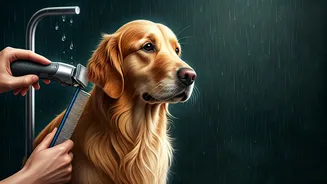
With your drying station ready, your post-walk routine becomes a simple, repeatable process. Before letting your dog have the run of the house, lead them directly to the station. First, tackle the paws using your wipes or washer. Next, use the microfiber towel for a thorough rubdown. Start with the soggiest parts—the belly and legs—and work your way up. Some dogs tolerate, and even enjoy, being gently blow-dried on a low-heat, low-speed setting. This is the absolute best way to ensure the undercoat is completely dry. If your dog is wearing a wet raincoat or harness, remove it immediately to let their skin breathe. Making this a consistent, positive routine with a treat at the end will teach your dog to cooperate happily.