





What Is Functional Longevity Fitness?
Think of functional longevity fitness as training for the marathon of life, not just a weekend 5K. It’s a proactive approach to exercise that prioritizes how your body moves and feels for the long haul over purely aesthetic or short-term performance goals.
While traditional workouts might isolate muscles (like a bicep curl) or focus on lifting the heaviest weight possible, this method trains movements, not just muscles. The goal is to build a resilient, capable body that can handle the unpredictable demands of daily life—bending, twisting, lifting, carrying—gracefully and without injury, for decades to come.
The Twin Pillars: Mobility and Stability
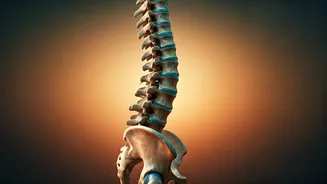
At the heart of functional longevity are two critical concepts: mobility and stability. Many people use 'mobility' and 'flexibility' interchangeably, but they are different. Flexibility is the passive range of motion in a joint—how far someone can push your leg up. Mobility is your ability to actively control your joints through their full range of motion. It’s strength and control at the outer limits of your movement. Stability is the ability to resist unwanted movement and maintain control of your joints and posture. Think of a strong, stable core that prevents your lower back from arching dangerously when you lift something heavy. You need stability to create a safe platform for mobility. One without the other leads to problems.
Your Best Defense Against Injury
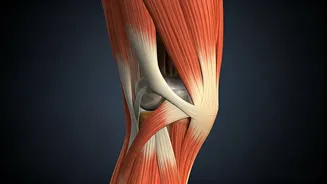
Most everyday aches, pains, and non-contact injuries don’t just happen. They are often the result of chronic movement dysfunctions—muscle imbalances, poor joint mechanics, and a lack of core stability. Your desk job might lead to tight hip flexors and a weak gluteus medius, which in turn causes your knee to cave inward when you run, eventually leading to knee pain. Functional longevity fitness is designed to unwind these patterns. By strengthening weak links, improving your active range of motion, and reinforcing good posture, you are building a body that is less susceptible to the strains and sprains that can sideline you from the activities you love.
How to Start Training for Life
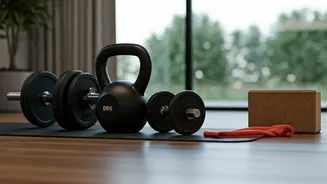
You don’t need to throw out your entire routine. Instead, start incorporating movements that mimic real-world actions. Focus on mastering foundational patterns before adding heavy weight. Some key areas to include are: - **Hinge:** Movements like kettlebell swings or Romanian deadlifts teach you to bend at the hips, not the spine, protecting your lower back. - **Squat:** Bodyweight squats, goblet squats, and front squats build leg strength and hip mobility for getting up and down. - **Push & Pull:** Think push-ups and rows. These build balanced upper-body strength for pushing open heavy doors or pulling yourself up. - **Carry:** A farmer's walk, where you simply carry weights at your sides, is one of the most effective exercises for building core stability, grip strength, and postural endurance. - **Rotation & Anti-Rotation:** Wood chops or a Pallof press train your core to both create and resist twisting forces, crucial for sports and avoiding back tweaks.