




The Great Green Transformation
For many Americans, Goa is synonymous with postcard-perfect beaches, vibrant nightlife, and a bohemian vibe that has drawn travelers for decades. But from June to September, the state undergoes a radical metamorphosis. The monsoon rains arrive, washing
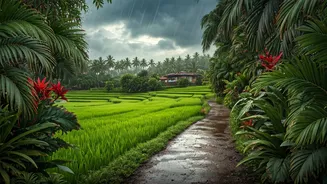
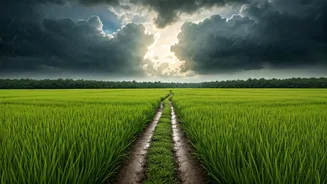
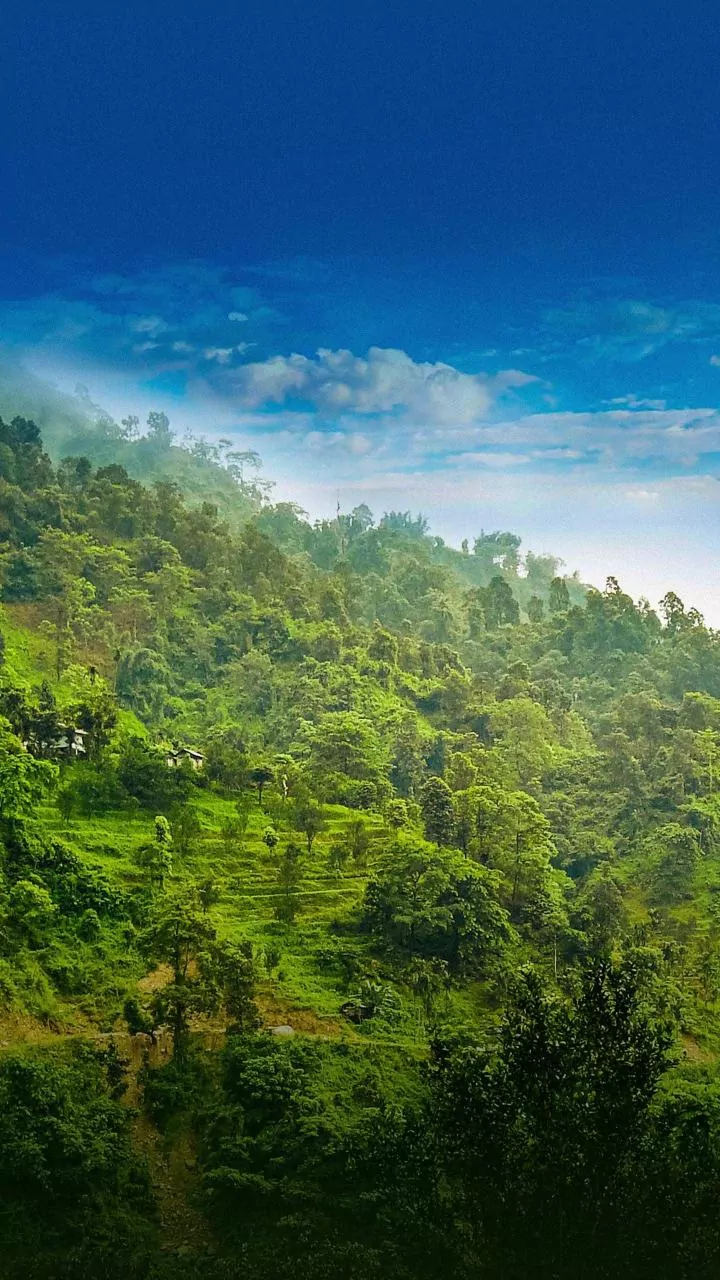
away the dust of the dry season and saturating the landscape in impossible shades of green. The sun-baked, golden-brown hills of the Western Ghats erupt into a verdant carpet. Rice paddies become fluorescent green mirrors reflecting the dramatic, cloud-filled sky. This isn't the Goa of peak tourist season; it's a quieter, more introspective version, where nature reclaims the stage with breathtaking force. The air feels clean and heavy with the scent of wet earth, and the constant, rhythmic patter of rain becomes the soundtrack to a slower, more deliberate pace of life.
When Waterfalls Roar to Life
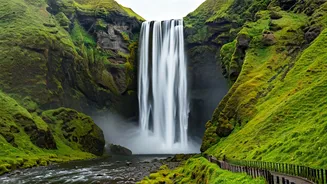
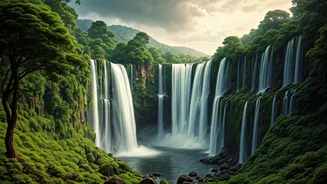
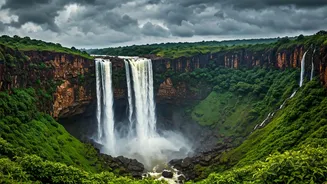
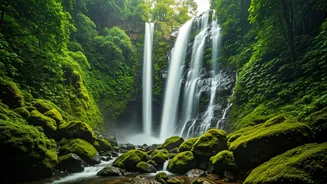
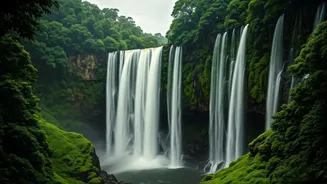
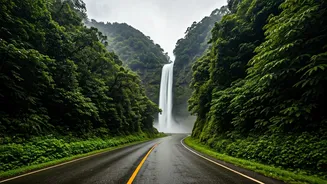
The true spectacle of monsoon Goa is its water. Rivers that were mere trickles swell into powerful currents, and the region’s famous waterfalls, dormant for much of the year, come alive with spectacular force. The most famous of these is Dudhsagar Falls, whose name translates to “Sea of Milk.” During the monsoon, it becomes a thundering, multi-tiered cascade that lives up to its name, plummeting over 1,000 feet. Seeing it in its full glory is an adventure in itself, often requiring a jeep ride through lush, muddy forest tracks. But countless other, smaller waterfalls appear all over the state, tumbling down hillsides and creating spontaneous swimming holes. For those willing to don a raincoat and explore, the reward is a landscape animated by the constant, powerful movement of water.
A Slower, More Intimate Goa
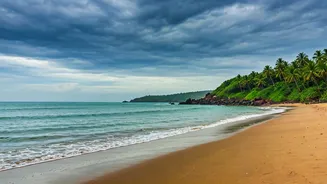
The monsoon is considered the “off-season” in Goa, and with it comes a profound change in atmosphere. The crowds that pack the beaches of Baga and Calangute in December are gone. Many of the temporary beach shacks are dismantled, and the coastline takes on a wilder, more elemental feel. This quiet creates space for a different kind of experience. It’s a time for reading a book on a covered veranda while watching the rain, taking long drives through winding, empty roads flanked by lush greenery, and engaging with local life in a way that’s often impossible during the tourist rush. The prevailing mood is one of 'susegad'—a unique Goan concept that loosely translates to a contented, unhurried sense of being. It’s the perfect antidote to a busy life, an enforced slowdown that feels deeply restorative.
The Scent of Spice and Earth
The rain doesn't just nourish the forests; it awakens Goa’s famous spice plantations. A visit to one of these farms becomes a multi-sensory experience during the monsoon. The air is thick with the aromas of cardamom, vanilla, cinnamon, and black pepper, their scents released by the humidity. Walking through the dripping-wet groves, you can see nutmeg hanging from trees and cloves budding on branches. Many plantations offer guided tours that explain the cultivation process, often followed by a traditional Goan meal prepared with the farm’s own fresh spices. It’s a delicious and fragrant way to connect with the agricultural heart of the region, a side of Goa that’s just as vital as its famous coastline.
The Practical Side of Paradise
Visiting Goa during the monsoon requires a slight shift in mindset. Swimming at most beaches is off-limits due to strong currents, and your plans will need to be flexible to accommodate sudden downpours. But the trade-offs are significant. Accommodation prices plummet, offering luxury stays for a fraction of their peak-season cost. The focus of activity shifts from the beach to the hinterland: trekking in the Western Ghats, exploring old Portuguese-era mansions, and enjoying the cozy ambiance of local cafes and bars. Pack a good raincoat, waterproof footwear, and an appreciation for moody skies. In return, you’ll be rewarded with access to a version of Goa that feels like a well-kept secret—a lush, romantic, and utterly unforgettable escape.