

The Anatomy of a Foodie Getaway
For a growing number of urban Indian travelers, the question is no longer “Where should we go?” but “What should we eat?” This shift has given rise to the food-led short break: a two or three-day trip planned meticulously around culinary pursuits. This isn't
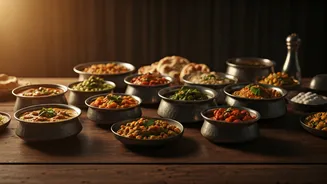
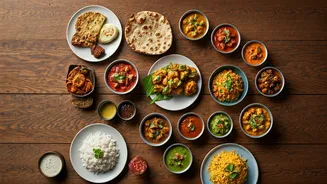
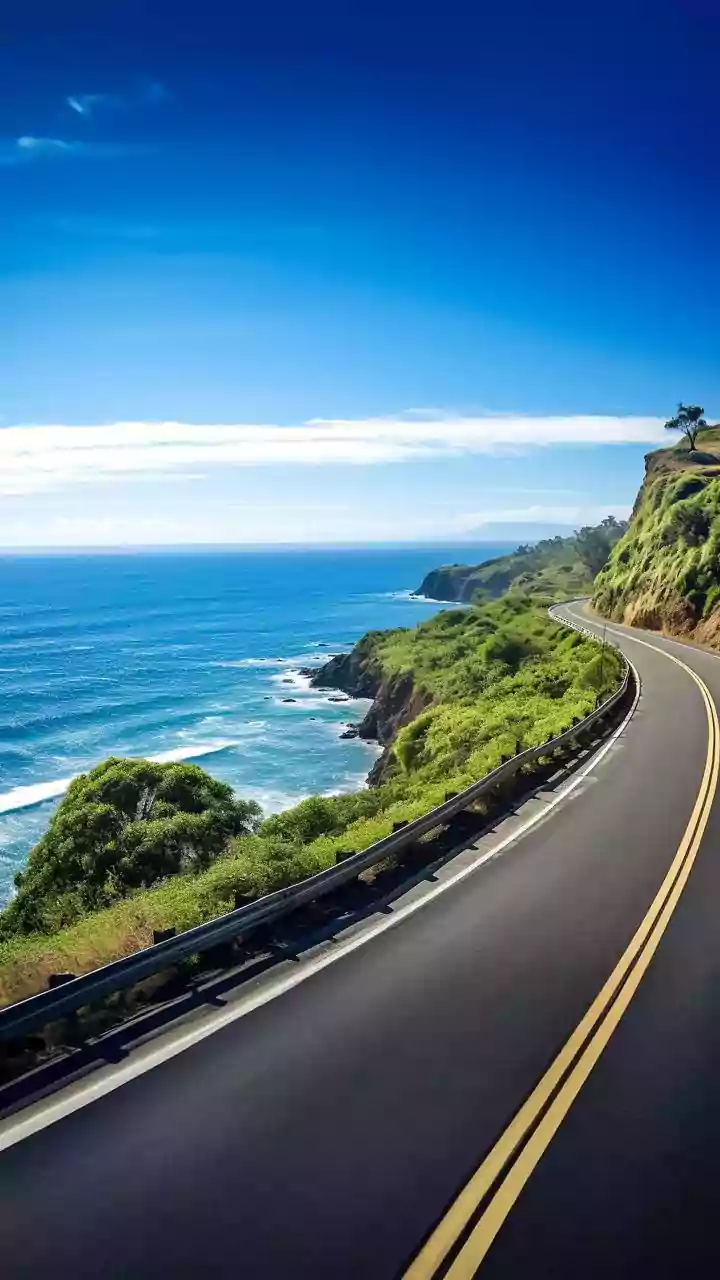
just about booking a nice restaurant. It's about driving hours for the most authentic biryani in Lucknow, flying to Amritsar for a weekend dedicated to buttery kulchas and lassi, or exploring the coastal shacks of Goa for the freshest seafood vindaloo. The hotel might be simple, the itinerary might be sparse, but the food is the five-star main event. These trips prioritize gastronomic discovery over ticking off historical monuments. The goal is to experience a place through its flavors, treating local specialties not as a travel bonus, but as the entire point of the journey.
What's Fueling the Hunger for Travel?
This trend isn't happening in a vacuum. It’s a direct result of powerful economic and social shifts in modern India. A key driver is the expanding middle and upper-middle class with more disposable income and a greater appetite for experiences over possessions. After years of prioritizing saving, many are now eager to spend on leisure and self-care. Furthermore, the grind of urban corporate life has created a deep need for quick, rejuvenating escapes. A weekend trip offers a perfect pressure-release valve without requiring extensive time off. Improved infrastructure, including better highways and more frequent domestic flights, has also made once-remote destinations accessible for a 48-hour adventure. The pandemic played a role, too, popularizing 'staycations' and domestic travel, leading many Indians to rediscover the incredible diversity within their own country's borders.
From Instagram to Itinerary
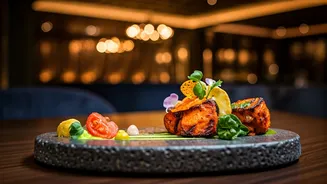
You can't talk about food trends without talking about social media. Platforms like Instagram and a vibrant ecosystem of Indian food bloggers and YouTubers have become powerful travel agents. A perfectly lit photo of a glistening jalebi or a video of a chef masterfully preparing Tunday Kebabs can launch a thousand trips. These digital tastemakers have effectively created a national bucket list of hyper-local dishes, transforming humble street-side stalls and legacy eateries into must-visit pilgrimage sites. Travelers now arrive with phone in hand, ready to replicate the exact shot they saw online. This visual culture has elevated regional cuisine, giving it a new level of cool and making culinary knowledge a form of social currency. Knowing where to find the best parathas in Delhi or the most authentic Puran Poli in Pune has become a badge of honor for the modern Indian explorer.
A Taste of the Trend
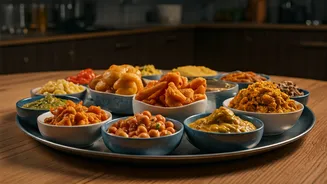
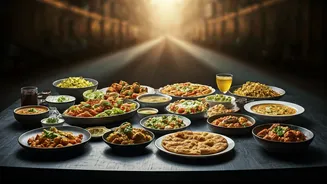
So, what do these trips actually look like? A group from Mumbai might take the scenic drive to the Nashik region, not just for its burgeoning wineries, but for the rustic Maharashtrian farmhouse cuisine. Friends in Bangalore might escape to Coorg for a weekend of coffee plantation tours and sampling the unique, pork-heavy Kodava cuisine. For residents of Delhi, a short flight to Kolkata opens up a world of kathi rolls, phuchka (pani puri's Bengali cousin), and the legendary sweets of West Bengal. Even within states, micro-trips are booming. A journey to the Chettinad region in Tamil Nadu is a deep dive into one of India’s most complex and aromatic cuisines, known for its sun-dried spices and elaborate meat dishes. These aren't generic tours; they are focused, flavorful missions to the heart of India's culinary soul.