



More Than Just a Pretty Wall
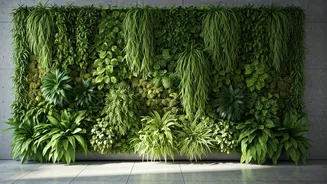
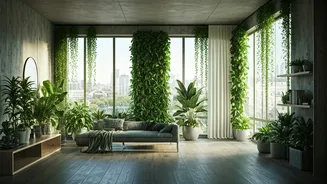
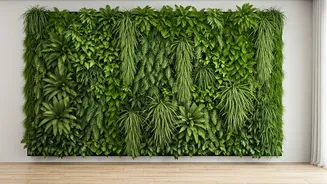
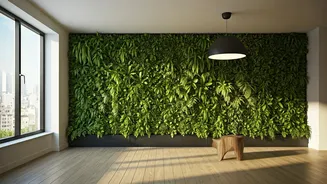
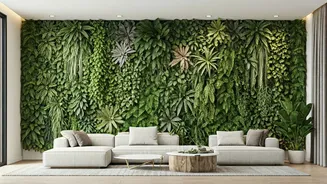
At its simplest, a plant wall—also known as a living wall or vertical garden—is a structure that allows plants to grow vertically, either indoors or out. But to leave the definition there is to miss the point entirely. These installations are the ultimate
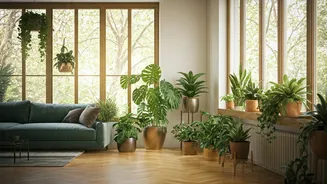
expression of “biophilic design,” a concept built on the idea that humans have an innate need to connect with nature. In an era of concrete jungles and digital screens, bringing a massive, living piece of the outdoors inside feels less like a design choice and more like a psychological necessity. It’s a rebuttal to the sterile, minimalist aesthetic, suggesting that true luxury isn’t empty space but space that is full of life.
The Wellness Factor
The claims around plant walls often sound miraculous. While a single wall won't transform your home into a pristine air-purifying machine—you'd need an impossibly dense forest for that, as the famous NASA study suggests—the documented benefits are still compelling. The real magic is psychological. Studies have consistently shown that being around plants can reduce stress, lower blood pressure, and improve concentration. The ambient sound absorption of a dense plant wall can also quiet a room, turning a chaotic open-plan office or a noisy living area into a calmer, more focused environment. The “statement” here is a clear investment in mental and emotional well-being, prioritizing a sense of sanctuary over mere style.
What the Statement Says About You
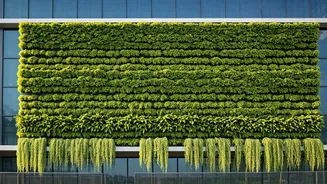
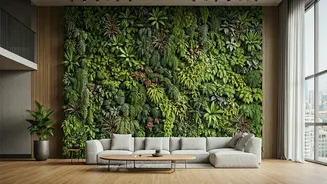
So, what exactly is the statement being made? It depends on the context. In a corporate lobby, a towering plant wall signals a forward-thinking company that values employee wellness and sustainability (and has the budget to prove it). In a restaurant, it whispers “ fresh, natural, organic.” In a private home, it’s a deeply personal declaration. It can say, “I am a nurturer,” “I value tranquility,” or simply, “I have succeeded.” There’s an undeniable element of status involved. A well-maintained living wall is a complex ecosystem that requires significant investment in installation, irrigation, and lighting. It’s a living sculpture that communicates a commitment to beauty and a rejection of the disposable. It’s the 21st-century equivalent of a grand oil painting or a marble statue—a piece of art that also happens to breathe.
The Reality Behind the Green
Before you start ripping out drywall, it’s important to understand the commitment. A true living wall is a sophisticated piece of engineering, often with built-in hydroponic or substrate systems to deliver water and nutrients. They require specific lighting conditions and regular maintenance to prevent pests and ensure plants thrive. For those who want the aesthetic without the horticultural responsibility, there are alternatives. Preserved moss walls offer a similar lush, green texture using real moss that has been treated to remain soft and vibrant without needing water or light. At the lower end, high-quality artificial plant walls have become remarkably realistic, providing the visual impact with zero maintenance. The choice between them is, in itself, another statement: do you want to curate a living ecosystem, or simply evoke the image of one?