




Jaggery: The Unrefined Sweetener
If you've only ever sweetened your coffee with white sugar or a sterile-looking packet, jaggery offers a rustic, flavorful alternative. A staple in South Asia, Africa, and Latin America (where it’s known as panela), jaggery is an unrefined sugar made
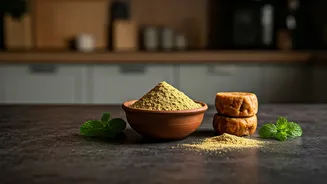
from cane juice or palm sap. Unlike processed white sugar, which is stripped of everything but pure sucrose, the production of jaggery is simpler. The juice is boiled down into a thick, golden-brown block, paste, or cone, which preserves trace amounts of minerals like iron and magnesium. The flavor is where jaggery truly shines. It has a rich, caramel-like taste with smoky, molasses undertones that adds complexity to desserts, teas, and savory glazes. In the wellness world, it’s often positioned as a “healthier” sugar. While it does offer a slightly better micronutrient profile, it's crucial to remember that it is still sugar. Its primary components are sucrose and fructose, and it impacts blood sugar similarly to other sweeteners. The real win isn't treating it as a free-for-all health food, but as a flavorful, less-processed alternative for mindful indulgence.
Millets: The Ancient, Sustainable Grains
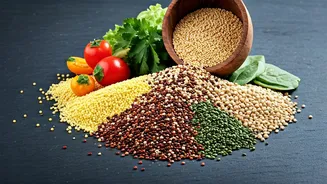
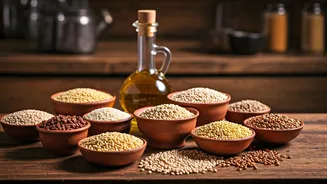
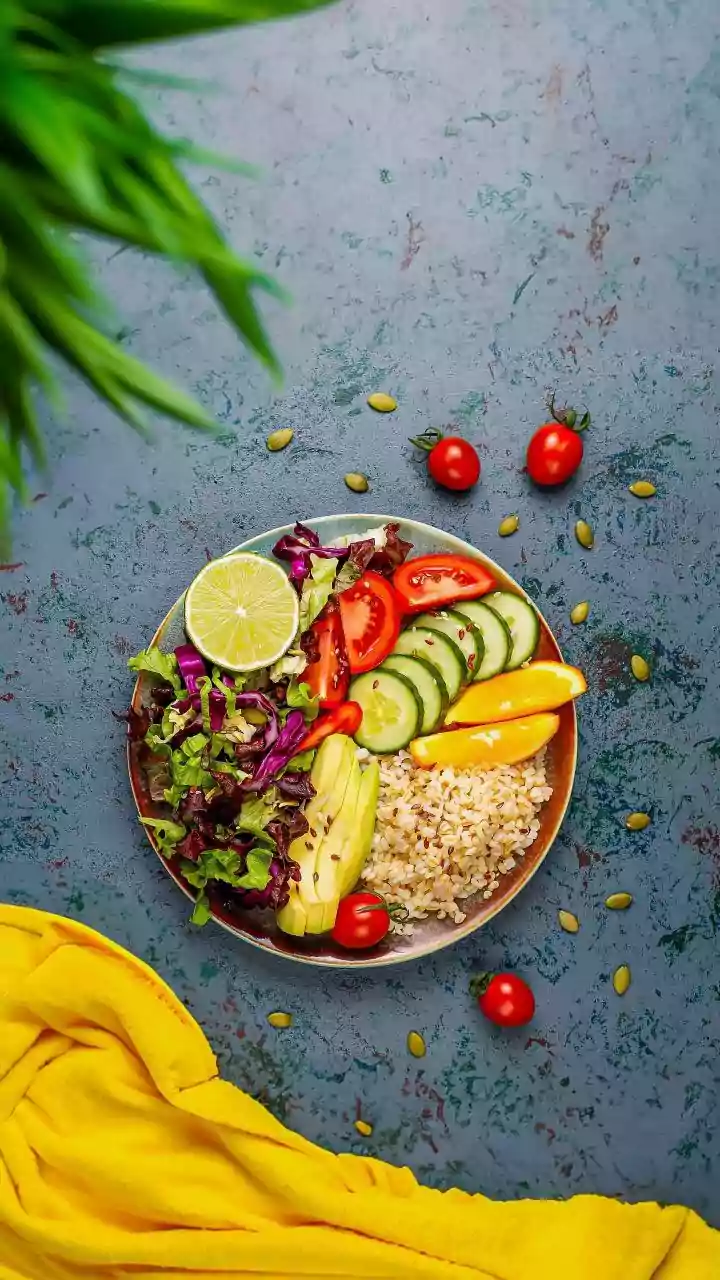
Move over, quinoa. Millets are the ancient grains getting a long-overdue moment in the spotlight, so much so that the UN declared 2023 the International Year of Millets. Not a single grain but a family of small-seeded grasses, millets have been a food source for civilizations in Africa and Asia for thousands of years. They are now gaining traction in the U.S. for two big reasons: nutrition and sustainability. Nutritionally, most millet varieties are gluten-free powerhouses, packed with fiber, protein, and antioxidants. They offer a fluffy, slightly nutty base for grain bowls, can be cooked into a creamy porridge, or even puffed like popcorn for a crunchy snack. They provide sustained energy without the spike-and-crash cycle associated with more refined carbohydrates. Environmentally, they are a climate-conscious choice. Millets are famously hardy, requiring significantly less water than wheat or rice and thriving in poor soil conditions, making them a key crop for food security in a changing world. For the American consumer, that means choosing millets is a small way to diversify both your diet and your agricultural footprint.
Ferments: The Gut-Friendly Powerhouses
The buzz around “gut health” has been growing for years, and fermented foods are its undisputed champions. Fermentation is an ancient preservation technique where microorganisms like bacteria and yeast convert carbs into alcohol or acids. This process not only preserves the food but also creates a payload of beneficial probiotics—the “good bacteria” that support a healthy digestive system. While yogurt has been a longtime American staple, the current trend embraces a wider, more global array of funky, flavorful ferments. Fizzy, tangy kombucha has become a refrigerated-aisle fixture. Spicy, pungent kimchi, a Korean side dish made from fermented cabbage, is now a popular topping for everything from tacos to fries. And creamy, drinkable kefir, a fermented milk drink from Eastern Europe, is giving smoothies a run for their money. The appeal is twofold: these foods introduce exciting and complex sour, savory, and umami flavors into our diet while also feeding the trillions of microbes in our gut that are increasingly linked to everything from immunity to mood. They are a tangible, tasty way to engage with the science of the microbiome.