



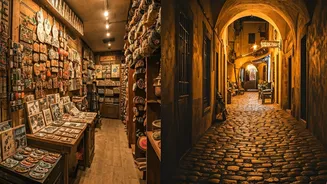
The Tyranny of the To-Do List
For decades, the standard for a “successful” trip was a packed itinerary. See the Eiffel Tower, the Colosseum, and the Statue of Liberty in 72 hours? Mission accomplished. This is “checklist tourism”: a whirlwind approach focused on accumulating sights
and photo ops, treating destinations like a series of boxes to be ticked. It’s the travel equivalent of speed-reading a classic novel—you can say you’ve done it, but you’ve missed the entire point. This model, fueled by a desire to maximize every vacation day, often results in exhaustion, shallow encounters, and a feeling that you’ve seen everything but experienced nothing. You have the selfie in front of the monument, but you couldn't tell someone where to find the best coffee in the neighborhood or what the local park feels like on a Tuesday afternoon.
Enter Immersion Travel: The Art of Staying Put
The antidote to this travel burnout is immersion. It’s less a type of trip and more a mindset shift. Instead of asking “How much can I see?” the core question becomes “How deeply can I connect?” Immersive travel, sometimes called “slow travel,” prioritizes quality over quantity. It means renting an apartment in a residential neighborhood instead of a hotel in a tourist hub. It’s taking a multi-day cooking class, volunteering on a local farm, or simply building a routine that includes a daily visit to the same bakery. The goal isn’t to see the “top ten sights” but to get a feel for the rhythm of a place. It’s about trading the highlight reel for the lived reality, even if just for a week. You leave with fewer photos of famous landmarks but more memories of genuine conversations, unexpected discoveries, and the feeling of having been a temporary local rather than a mere visitor.
Why the Big Shift Now?
This isn’t a brand-new concept, but several factors have pushed it from a niche philosophy to a mainstream movement. The global pause of the pandemic gave many people a moment to reconsider their priorities. The rat race felt futile, and the desire for genuine connection—with others, with nature, with ourselves—skyrocketed. As travel resumed, people wanted it to *mean* something. Furthermore, the visible consequences of “overtourism”—crowds overwhelming historic cities, environmental strain, and the displacement of local culture—have created a backlash against the very model that checklist tourism promotes. Travelers are becoming more conscious of their footprint, seeking ways to contribute positively to the places they visit instead of just extracting experiences from them. Social media, once the primary engine of FOMO-driven travel, is also showing signs of a change, with influencers and everyday travelers alike celebrating slower, more authentic moments over posed, predictable shots.
What Immersion Looks Like in Practice
So, how does one “do” immersive travel? It starts with letting go of the pressure to do everything. Instead of booking a four-city European tour, pick one city or region and stay there. In Florence, this might mean skipping the day trip to Pisa and instead spending the afternoon learning leatherworking from an artisan. In Mexico, it could mean forgoing the all-inclusive resort in Cancun for a guesthouse in Oaxaca, where you can explore the markets and take a class in traditional mole preparation. In our own backyard, it’s choosing to spend a week in a small town in Vermont, hiking the same trails the locals use and frequenting the town diner, rather than trying to hit every state capital in New England. It’s about being present, staying curious, and allowing for the spontaneity that can only happen when your schedule has room to breathe.