

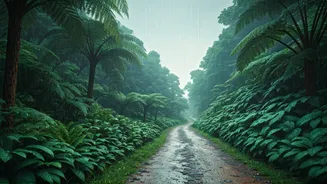
The New Value Season
The traditional travel calendar is being rewritten by economics. While December through February remains the peak season for destinations like Thailand, Vietnam, and India—boasting sunny skies and huge crowds—the sticker shock is becoming undeniable.
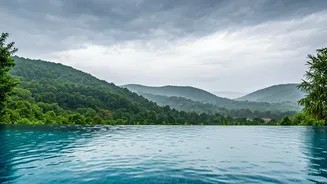
In response, a growing number of travelers are targeting the monsoon or “green season,” which typically runs from June to October. This isn't just about accepting a bit of rain; it's a strategic move to unlock destinations that might otherwise be financially out of reach. Travel booking platforms report significant drops in airfare and accommodation costs, often ranging from 30% to 50% compared to the high season. Airlines and hotels, eager to fill rooms during a traditionally slower period, are using dynamic pricing to lure in budget-conscious travelers who prioritize experience and value over guaranteed sunshine. This period is no longer the “off-season”; for many, it's the smart season.
Where the Deals Are Hiding
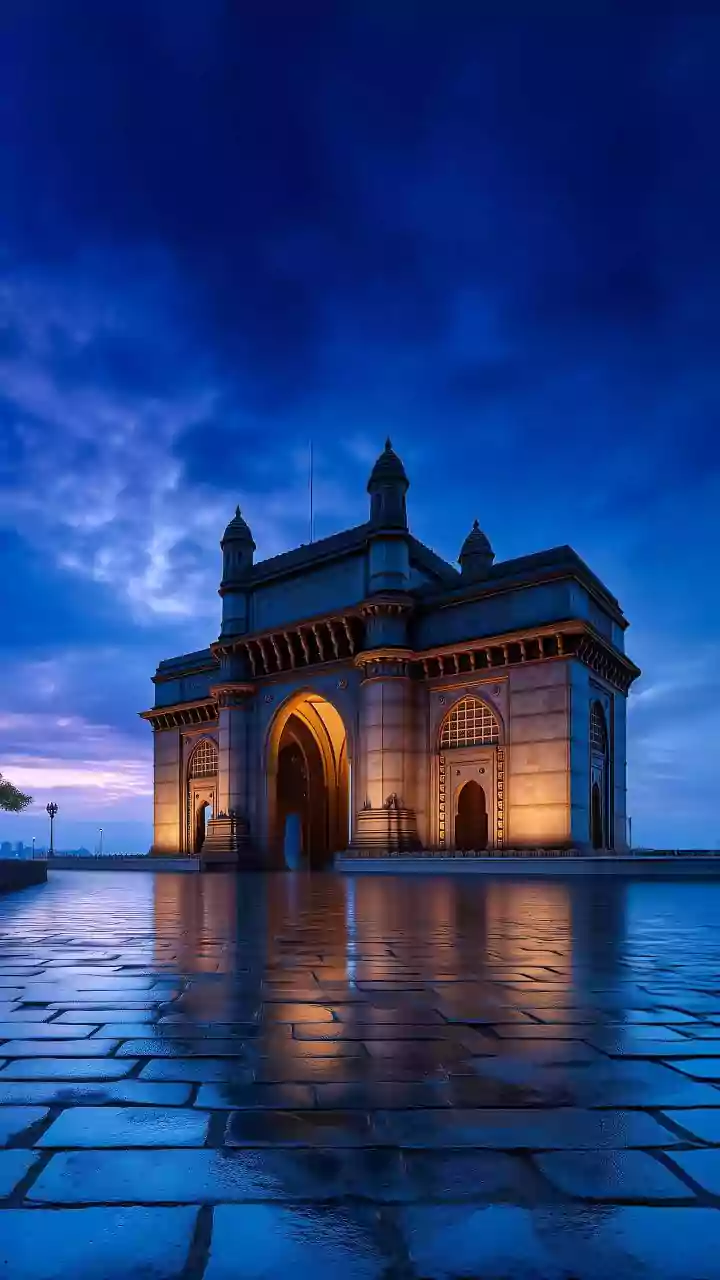
The savings are not uniform, but they are substantial in popular hubs. For example, a round-trip flight from Los Angeles to Bangkok in August can be hundreds of dollars cheaper than the same flight in December. Five-star hotels in Phuket or Koh Samui that are packed during the winter holidays may offer deep discounts and complimentary upgrades to attract monsoon-season guests. It’s a similar story in Vietnam, where cities like Da Nang and Hoi An become much more accessible. Even in India, tourist hotspots like Goa and Kerala, famous for their beaches and backwaters, transform. While some beach shacks may close, luxury resorts slash their rates, offering a slice of paradise for a fraction of the peak-season price. The key is to look for destinations where the rain is often predictable—coming in short, intense afternoon bursts—rather than an all-day affair, allowing for plenty of sightseeing.
Beyond the Price: Perks of the Green Season
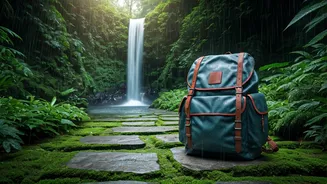
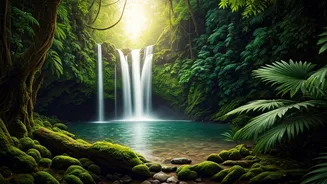
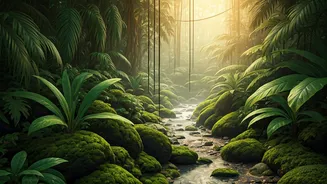
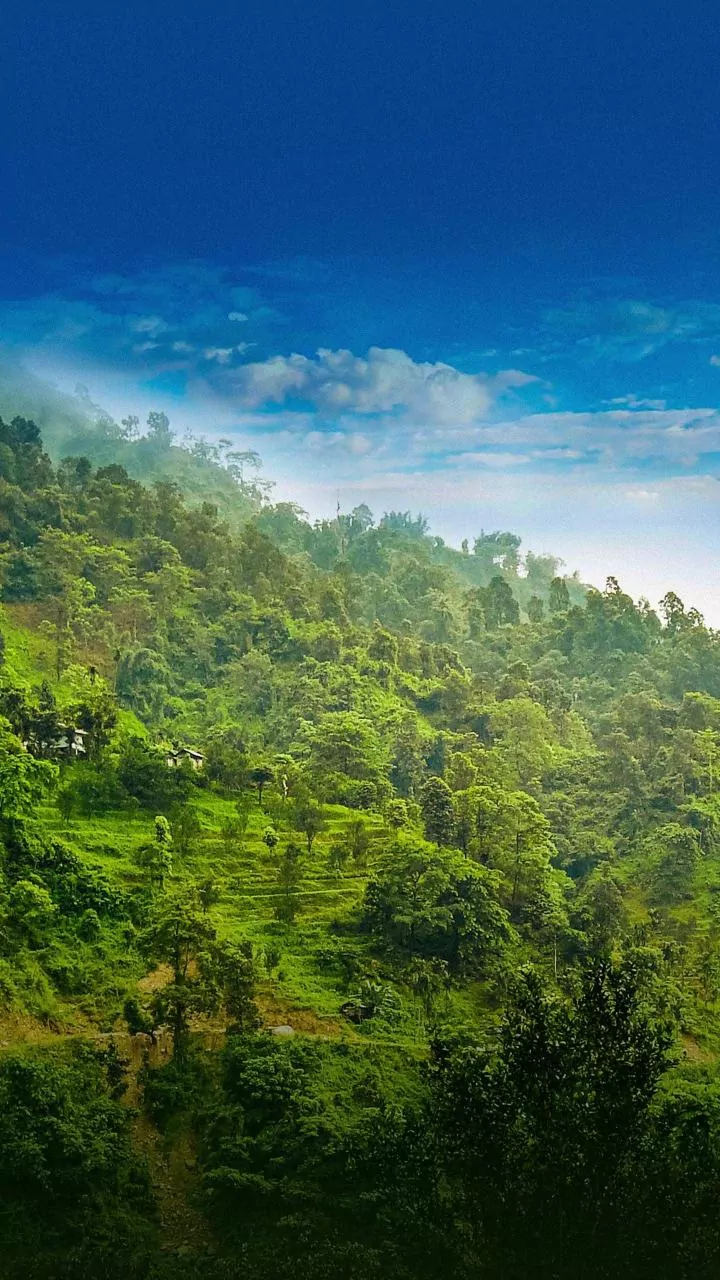
The financial incentive is the main draw, but the benefits don’t stop there. The most immediate perk is the lack of crowds. Imagine exploring Cambodia’s Angkor Wat or Thailand’s Grand Palace without being jostled by thousands of other tourists. The experience is more intimate and authentic. Photographers and nature lovers also find a unique appeal in the monsoon season. The landscape, parched from the dry heat, erupts into a vibrant, lush green. Waterfalls that are mere trickles in the winter become thunderous spectacles, and the rice paddies take on an emerald hue. Furthermore, many local festivals and cultural events are tied to the agricultural cycle and take place during the rainy season, offering a glimpse into the local way of life that peak-season tourists often miss.
How to Plan for a Monsoon Trip
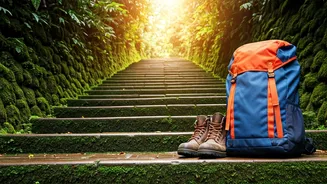
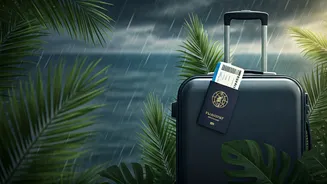
Traveling during the rainy season requires a slightly different approach, but it’s far from daunting. First, pack smart. Lightweight, quick-drying clothes are your best friend. A reliable waterproof jacket is essential, as is a dry bag to protect your phone, camera, and passport during unexpected downpours. Second, be flexible. Your plan to spend all day on the beach might get rained out, so have a list of indoor alternatives ready, such as cooking classes, museum visits, or spa treatments—which are also often discounted. Third, plan your transportation carefully. While major routes are generally fine, rural or mountainous regions can be prone to landslides or flooding. Stick to well-trafficked areas and always check local conditions before heading out on a long journey. Finally, embrace the rain. Join the locals by ducking into a cafe for a coffee and watching the storm pass. It's part of the experience.