




The Desert Southwest: A Sudden, Vivid Bloom
When most people picture Arizona or New Mexico, they see a sun-scorched, ochre landscape. But visit during the summer monsoon season, typically from July to September, and you’ll find a different world. This isn’t a gentle drizzle; it’s a daily drama
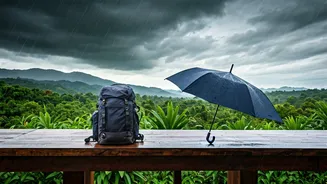
of spectacular thunderstorms that roll in, cool the 100-degree air by thirty degrees in minutes, and vanish, leaving behind an electric, ozone-tinged scent. The real upgrade is the explosion of life. Dry creek beds roar back into existence, cacti sprout brilliant flowers, and the parched ground erupts in a carpet of green. The smell of rain-soaked creosote bushes is a perfume you’ll never forget. While others bake in the peak-season sun, you get to witness a spectacular rebirth, watch lightning crackle over distant mesas from a covered patio, and enjoy lower off-season rates at resorts in places like Scottsdale and Tucson.
The Pacific Northwest: Deeper Greens and Moody Mists
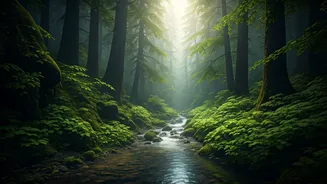
The Pacific Northwest’s reputation for rain is a feature, not a bug. While tourists flock to Seattle and Portland during the two-and-a-half months of summer, savvy travelers know the soul of the region is found in the “shoulder seasons” of fall and spring. This is when the legendary mosses of the Hoh Rainforest in Olympic National Park are at their most impossibly green, dripping with moisture and shrouded in an ethereal mist. The waterfalls of the Columbia River Gorge, sometimes reduced to a trickle in August, thunder with full, majestic force. You get the iconic Pike Place Market or Portland’s beloved Powell’s Books without the summer crowds, and the coastlines of Oregon and Washington become moody, dramatic vistas perfect for storm-watching from a cozy cabin. It’s an experience that feels truer to the spirit of the place—a quiet, contemplative beauty instead of a frantic summer rush.
The Appalachians: Chasing Waterfalls in the Clouded Mountains
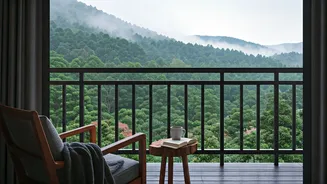
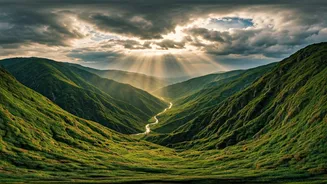
The Great Smoky Mountains were named for a reason. The natural vapor released by their dense vegetation creates a signature haze, and it’s never more beautiful than after a summer rainstorm. From the Blue Ridge Parkway in Virginia and North Carolina to the mountains of Tennessee, a rainy forecast is a gift for anyone who loves waterfalls. The hundreds of cascades in the region, from the powerful to the delicate, swell from polite streams into roaring spectacles. Trails are quieter, the air is clean and cool, and the deep greens of the forest foliage feel richer and more saturated. Instead of competing for parking at a crowded overlook on a sunny day, you can have a misty, atmospheric trail all to yourself. It’s a chance to see these ancient mountains as they were meant to be seen: wild, wet, and wonderfully alive.
Florida's Everglades: The Thriving Wet Season
Florida in the summer? Most people would call you crazy. But the wet season (May through November) is when the Everglades truly earns its name as the “River of Grass.” The summer rains replenish the wetlands, and the entire ecosystem kicks into high gear. This is the best time for birdwatching, as wading birds congregate in large, active flocks. Afternoon thunderstorms create some of the most stunning skyscapes in the country, with towering clouds and dramatic light. Yes, it’s humid, but the brief, intense downpours offer a daily reset, cooling the air and feeding the landscape. A guided airboat tour during this season isn't a sweaty, sluggish affair; it’s a dynamic ride through a thriving, active wilderness. You’re trading the snowbird crowds of the dry winter for a more authentic, powerful encounter with one of America’s most unique landscapes.