
The Diet-Culture Inheritance
For many second-generation Indian Americans, the pressure to conform was twofold. From the outside, Western diet culture of the '90s and 2000s villainized the very building blocks of their home cuisine. Carbs were bad (goodbye, rice and roti). Fat was evil
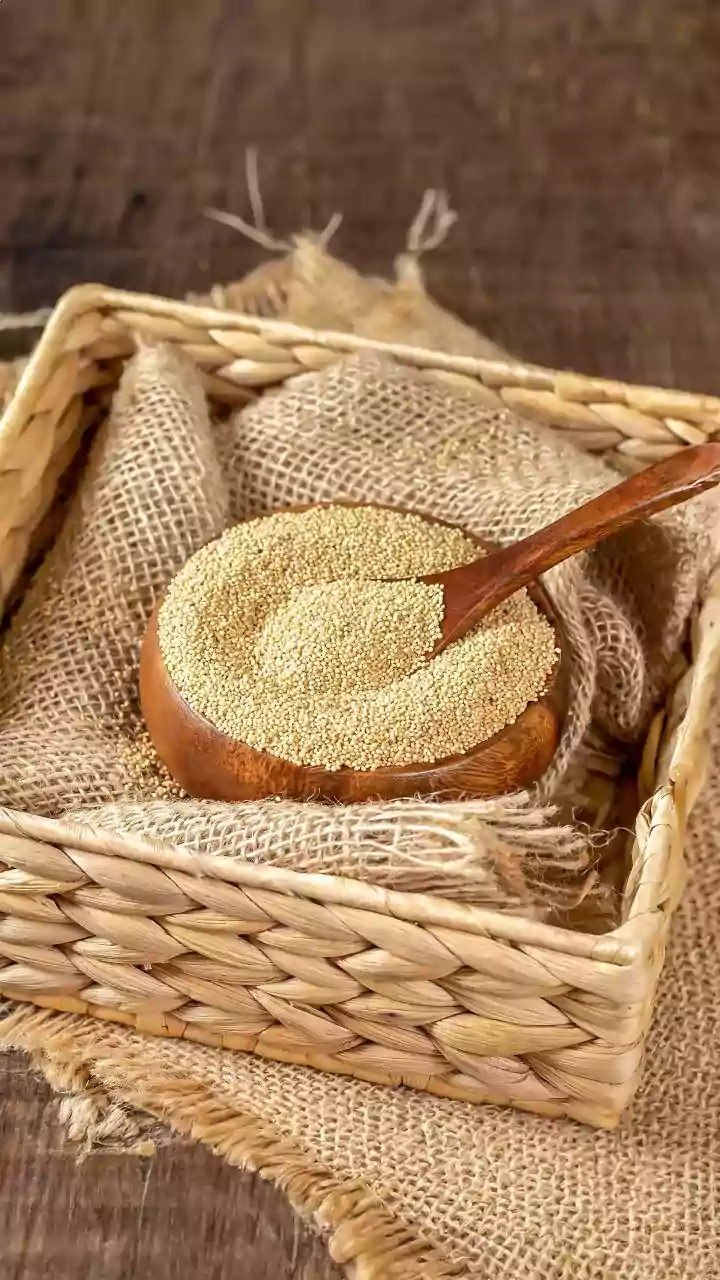
(so long, ghee). From within the community, there were different pressures, often tied to aesthetics and assimilation, which sometimes adopted the language of Western wellness without the context. The result was a generation caught between worlds, often feeling a sense of guilt or confusion around the very foods that signified comfort and family. Dietitians of South Asian descent describe clients grappling with this conflict—loving the dal their grandmother makes but logging every spoonful into a calorie-counting app, or feeling compelled to swap out basmati rice for quinoa to be “healthier.” This created a quiet disconnect, where the joy of food was replaced by a constant, draining negotiation between heritage and the harsh metrics of modern diet fads.
Reclaiming Traditional Wisdom
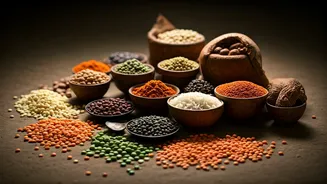
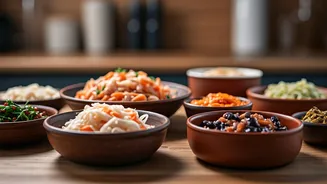
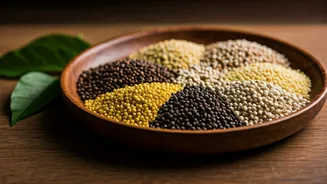
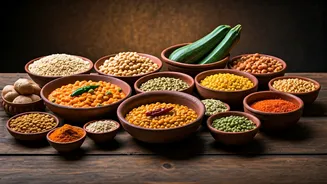
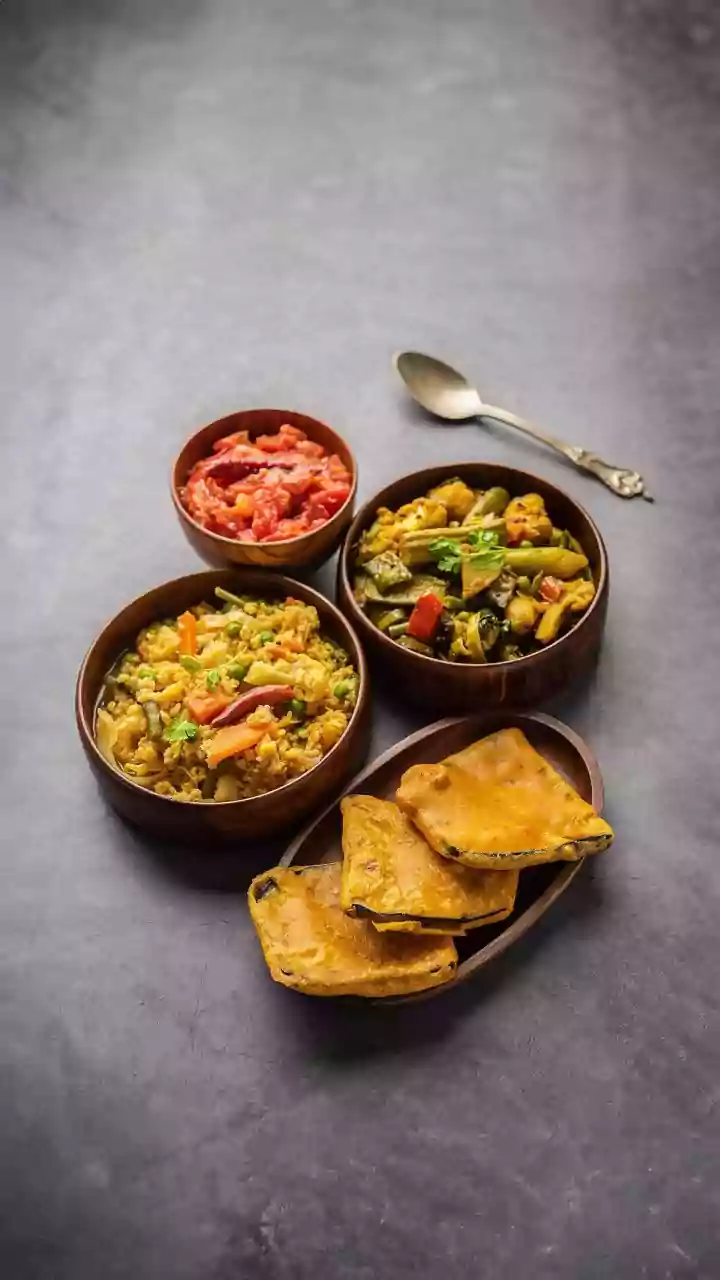
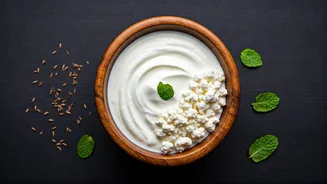
The rebellion isn't about abandoning health; it’s about redefining it. Young foodies are leading a movement back toward the principles already embedded in traditional Indian foodways. They are rediscovering that a thali—a platter with small portions of lentils, vegetables, yogurt, rice, and bread—is the original blueprint for a balanced meal, offering protein, complex carbs, probiotics, and fiber all in one. They're challenging the Western-centric demonization of specific ingredients. Ghee, once cast as a villainous saturated fat, is being celebrated for its high smoke point and vitamin content. Full-fat yogurt, essential for making raita and lassi, is being embraced for its role in gut health. This isn’t a blind return to the past, but a thoughtful re-evaluation. It’s a realization that wellness doesn't have to be imported; the wisdom for it was in their grandparents' kitchens all along. The focus is shifting from restriction to nourishment, and from calorie counting to intuitive eating—listening to one's body and culture.
Food as an Act of Pride
This culinary shift is deeply intertwined with a broader embrace of cultural identity. For many in the diaspora, connecting with their heritage has become a powerful form of self-care. Learning to cook a complex curry, perfecting the art of a round roti, or simply enjoying a plate of pani puri without an ounce of guilt has become a joyful act of defiance and reclamation. It's a way of saying that their culture is not something to be watered down or “health-ified” to fit a foreign standard. This movement pushes back against the idea that assimilation requires culinary erasure. By centering their traditional cuisine, young Indians are celebrating its complexity, diversity, and inherent nutritional value. It’s a powerful statement that one can be modern, healthy, and unapologetically connected to their roots, all on the same plate.
The Influence of the Instagram Thali
Social media has been a key catalyst for this change. A new wave of Indian and diaspora food bloggers, dietitians, and chefs are using platforms like Instagram and TikTok to dismantle long-standing myths. They share visually stunning images of vibrant, satisfying Indian meals, accompanied by captions that blend recipes with food science and cultural history. They create content that says, “Yes, you can eat rice,” “No, you don’t need to fear mangoes,” and “Here’s why that comforting bowl of khichdi is actually a superfood.” These creators have built a digital community grounded in positivity and education. They provide a powerful counternarrative to the mainstream wellness industry, offering a space where cultural foods are not just tolerated but celebrated. They’ve made it cool to cook traditional recipes, turning the kitchen into a site of exploration and empowerment rather than a battlefield of calories and macros.