



A Legendary Himalayan Paradise
Tucked away in the state of Uttarakhand in northern India, the Valley of Flowers National Park is a place of legend. For centuries, it was a secret known only to locals, who believed it was inhabited by fairies. This remote glacial valley became a UNESCO
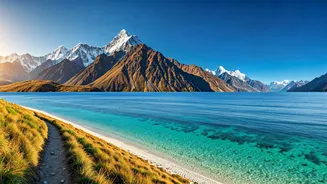
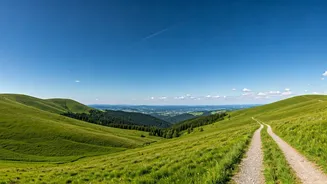
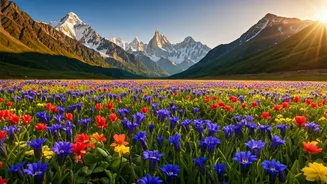
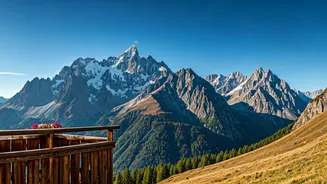
World Heritage site in 2005, recognized for its remarkable meadows of endemic alpine flowers and outstanding natural beauty. At an altitude of over 11,000 feet, the valley is framed by snow-capped peaks, creating a breathtaking backdrop for the floral spectacle that unfolds each summer. It’s not just a beautiful spot; it’s a fragile, high-altitude ecosystem, a living canvas that changes week by week.
Nature’s Brief, Brilliant Symphony
The magic of the Valley of Flowers is its fleeting nature. For most of the year, it lies dormant under a thick blanket of snow. But as the summer monsoon rains arrive, typically from late June through September, the valley awakens. More than 600 species of wildflowers burst forth, painting the landscape in every shade imaginable. You’ll find carpets of balsam, geraniums, and potentillas creating waves of pink and purple. Dotted among them are the iconic blue poppy, vibrant cobra lilies, and the elusive Brahma Kamal, a rare, saucer-shaped flower that blooms at night and is considered sacred in Hindu mythology. The sheer density and diversity of the blooms are staggering, creating a sensory overload of color and fragrance that feels truly otherworldly.
The Journey Is Part of the Magic
Getting to the Valley of Flowers is an adventure in itself, and it’s important for visitors to understand this is a trek, not a roadside attraction. The journey typically begins from the small town of Govindghat. From there, it's a multi-day trek. The first leg takes you to the village of Ghangaria, which serves as the base camp for the region. The path is well-maintained but involves a steady, high-altitude climb alongside the rushing Pushpawati River. After resting in Ghangaria, you’ll make the final, shorter trek into the valley itself. The effort is a filter, ensuring the valley is never truly overcrowded. Every step of the ascent, with its misty mountains and cascading waterfalls, builds anticipation for the floral paradise that awaits.
Planning Your Himalayan Pilgrimage
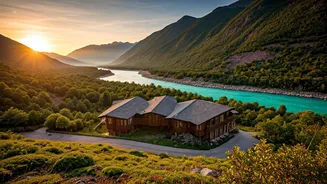
The window to see the blooms at their peak is narrow—generally from mid-July to mid-August. Visiting requires some planning. You'll need to obtain a permit at the entrance to the park. While you can trek independently, hiring a local guide is highly recommended; they can point out rare flowers and share local lore. Accommodations in Ghangaria are basic, consisting mostly of guesthouses and a government-run lodge, so book in advance. Pack for all conditions: rain gear is essential, as are sturdy hiking boots, warm layers for chilly evenings, and sun protection for clear days at high altitude. Remember to acclimatize properly to avoid altitude sickness. Walk slowly, drink plenty of water, and allow your body to adjust to the elevation before and during the trek.