
So, What Is Silly-Maxxing?
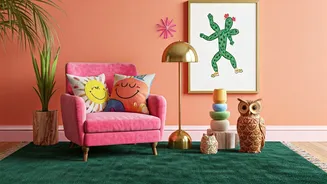
Forget sterile white walls and sensible furniture. Silly-maxxing is the art of intentionally filling your home with things that are playful, absurd, and unapologetically joyful. It’s less about following established design rules and more about curating
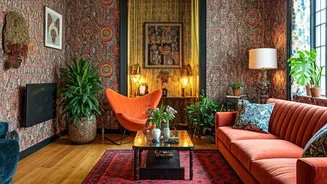
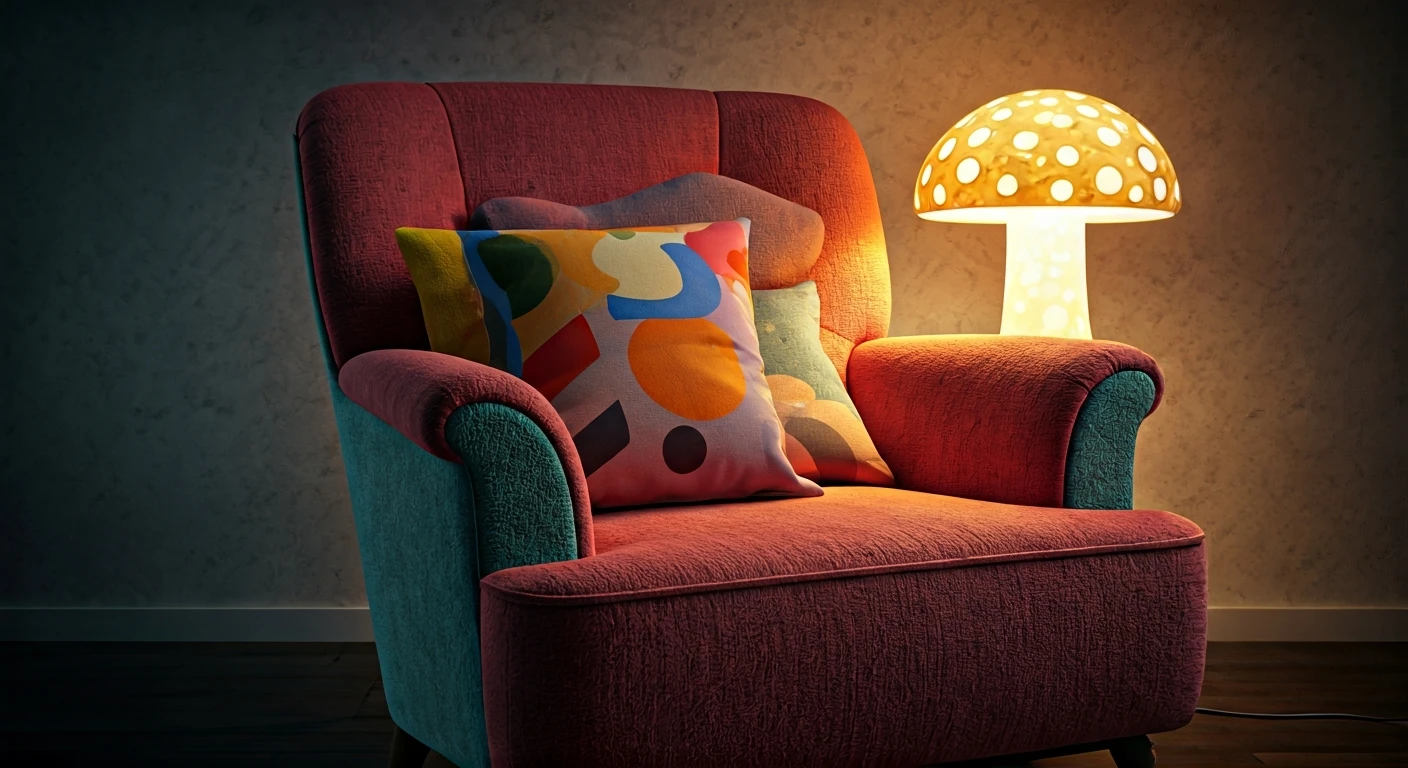
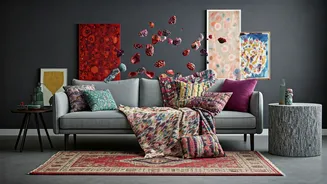
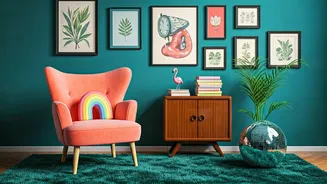
a personal museum of things that make you smile. Think a rug shaped like a giant fried egg, a vase that looks like a bunch of bananas, a mushroom-shaped lamp casting a warm glow, or googly eyes stuck on a perfectly serious-looking houseplant. It’s maximalism, but with a sense of humor. The “-maxxing” suffix, borrowed from internet slang, implies taking an idea to its furthest, most committed conclusion. In this case, it’s about maximizing silliness, personality, and fun. The goal isn’t to create a perfectly staged, magazine-ready room, but a space that feels lived-in, loved, and uniquely, delightfully weird.
A Rebellion Against 'Sad Beige'
Every trend is a reaction to what came before it, and silly-maxxing is a direct backlash against the long reign of minimalist aesthetics. For the better part of a decade, the aspirational look was one of muted restraint. We saw it in the “millennial gray” that covered countless apartment walls and the more recent wave of “sad beige” favored by influencers. This aesthetic championed safety, resale value, and a kind of serene, inoffensive elegance. It was chic, but it was also generic. After years of scrolling through nearly identical homes on Instagram and Pinterest, a collective fatigue set in. Silly-maxxing is the antidote to that uniformity. It rejects the idea that a home should be a blank canvas designed to appeal to a future buyer. Instead, it argues that your living space should be a vibrant, evolving reflection of you, right now—quirks and all. It’s a declaration that personality is more important than perfection.
Dopamine Decor for Anxious Times
This shift isn't just about aesthetics; it’s rooted in a deeper cultural and psychological need. In an era marked by economic uncertainty, social upheaval, and the lingering stress of a global pandemic, people are actively seeking out sources of joy and comfort. Our homes became our entire worlds, and the desire to make them places of genuine happiness, rather than just stylish shelters, intensified. Enter “dopamine decor,” a closely related concept where design choices are made specifically to boost your mood. A brightly colored wall, a piece of whimsical art, or a nostalgic object from your childhood can trigger a small but significant release of dopamine, the brain's feel-good neurotransmitter. Silly-maxxing is essentially dopamine decor in its most exuberant form. It’s a way of exerting control over your immediate environment and surrounding yourself with tangible, everyday reminders of fun, creativity, and lightheartedness in a world that often feels heavy.
Your Permission to Be Weird
The best part about silly-maxxing is its accessibility. It doesn’t require a massive budget or a complete overhaul. It’s about adding layers of personality, one quirky object at a time. You can start small by swapping your boring coffee mugs for ones with funny faces or unexpected shapes. Hang a weird piece of art you found at a thrift store. Buy a surprisingly shaped throw pillow—maybe a croissant or a slice of watermelon. The key is to trust your own odd taste. If an item seems ridiculous but makes you genuinely laugh, it belongs in your home. This trend is an official permission slip to abandon the pressure of having a “grown-up” house and embrace the things you truly love, no matter how unconventional. It’s about choosing a funky, sculptural candle over a generic one, or opting for a shower curtain covered in rubber ducks. It's about finding delight in the details.