


The Science of 'Heat Fatigue'
That feeling of being utterly depleted after a string of hot, humid days has a name: heat fatigue. It isn't just about sweating; it's a genuine physiological and psychological state. When your body works overtime to cool itself, it diverts energy from
other functions. This constant, low-level stress can lead to irritability, brain fog, poor sleep quality, and a profound lack of motivation. Unlike heat stroke, which is an acute medical emergency, heat fatigue is a chronic drain. It’s the reason you feel too tired to enjoy the very summer activities you look forward to all year. It’s the slow grind of waking up to a forecast of 95 degrees and knowing there’s no real break in sight. Recognizing this fatigue as a legitimate response to our environment is the first step in finding a real solution.
A National Shift in Summer Travel
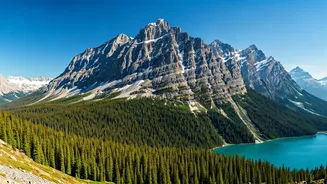
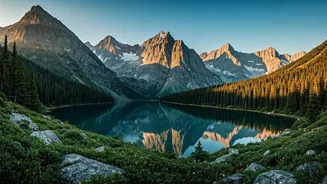
For decades, the classic American summer vacation often involved heading *toward* the heat—beaches, theme parks, and sun-drenched cities. But a significant shift is underway. Travel experts and tourism boards in mountain states are reporting a noticeable surge in summer visitors. Towns in Colorado, Vermont, North Carolina, and the Pacific Northwest are no longer just winter destinations; they're becoming summer sanctuaries. This isn't just about a handful of wealthy 'climate refugees.' It's a broader, middle-class trend of families and couples deciding that spending their precious vacation time and money on a trip where they'll be hiding in air conditioning from noon to 5 p.m. simply doesn't make sense anymore. The new definition of a luxury vacation is increasingly about comfort, and comfort now means escaping the oppressive heat.
Why Mountains Offer Real Relief
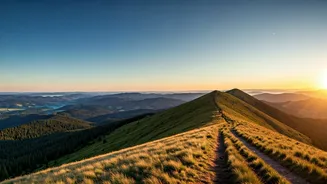
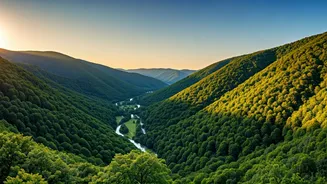
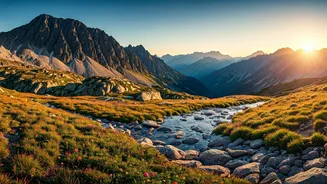
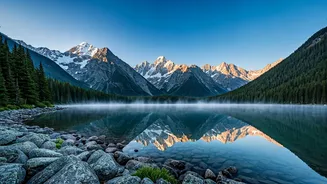
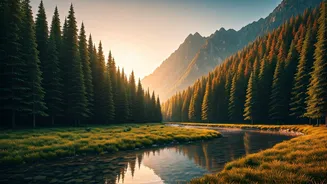
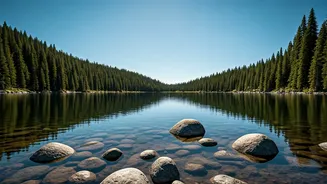
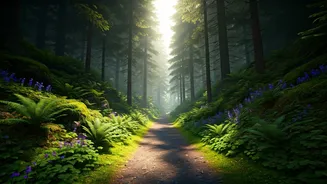
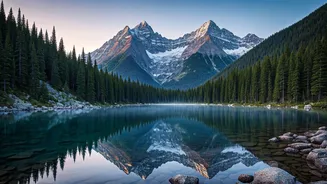
The appeal of the mountains is rooted in simple physics. For every 1,000 feet you ascend, the temperature typically drops by about 3.5 to 5.5 degrees Fahrenheit. This means a sweltering 95-degree day in a low-lying city might be a pleasant, breezy 75-degree day in a mountain town. But it’s more than just the numbers on the thermometer. The air at higher altitudes is often less humid, making the heat feel less oppressive. The abundance of tree cover provides natural shade, and cool mountain streams offer a refreshing dip. The psychological benefits are just as potent. Swapping concrete and asphalt for trails and forests has a proven calming effect, and waking up to crisp, cool air can reset a sleep schedule thrown off by hot, sticky nights. It's a holistic form of relief that a beach club in a heatwave simply can't offer.
How to Plan Your High-Altitude Escape
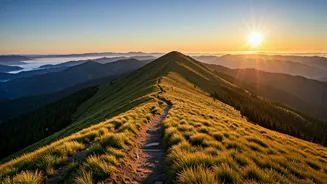
Thinking of trading the city heat for alpine air? You're not the only one, so planning is key. First, think beyond the usual suspects. While places like Aspen and Jackson Hole are iconic, consider exploring less-famous mountain ranges like the Adirondacks in New York, the Blue Ridge Mountains in Virginia and North Carolina, or the Ozarks in Arkansas for potentially more availability and value. Second, book well in advance. As this trend grows, lodging in popular mountain towns fills up months ahead of summer. Finally, embrace the local rhythm. The joy of a mountain escape isn't about a packed itinerary. It's about morning hikes when the air is cool, lazy afternoons reading on a porch, and evenings spent enjoying a cool breeze without the constant hum of an air conditioner. Pack layers, as temperatures can change quickly, and prepare to truly disconnect and recharge.