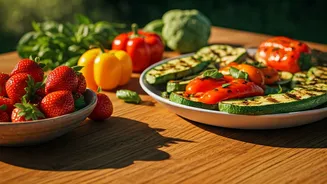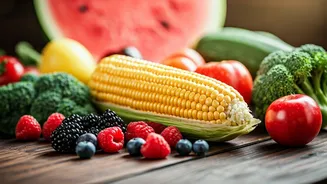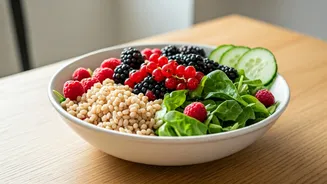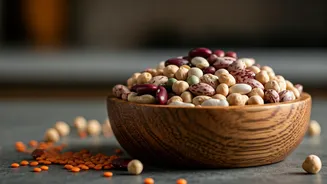







The Habit: Eat More Types of Plants
Forget obsessing over one “superfood” or downing kombucha like it’s your job. The habit worth trying is remarkably straightforward: increase the diversity of plants you eat each week. This isn’t about becoming a vegetarian or vegan overnight, nor is it about restriction.
It’s an exercise in addition. The goal is to move beyond your usual rotation of broccoli, bananas, and spinach and start incorporating a wider array of fruits, vegetables, grains, legumes, nuts, seeds, herbs, and spices into your diet. Think of your gut as a garden; you wouldn't just plant roses. You’d want a variety of flowers, shrubs, and trees to create a resilient, thriving ecosystem. The same principle applies to the trillions of microbes living in your digestive tract.
Why Variety Is the Secret Sauce
Your gut is home to a complex community of microorganisms known as the microbiome. A healthy, diverse microbiome is linked to better digestion, a stronger immune system, and even improved mood. So, how does eating different plants help? Each type of plant contains unique fibers and beneficial compounds called polyphenols. These act as “prebiotics”—essentially, food for your good gut bacteria. Different species of bacteria prefer different types of plant fiber. When you only eat a handful of the same plants, you’re only feeding a small fraction of your microbial community. The rest get starved out, leading to an imbalance. By eating a wide variety of plants, you provide a rich buffet that nourishes a broader range of beneficial microbes. This diversity makes your gut ecosystem more robust and better equipped to handle stressors, fight off harmful pathogens, and perform its essential functions.
Your Goal: The '30 a Week' Challenge
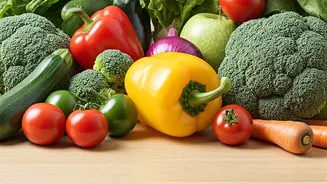
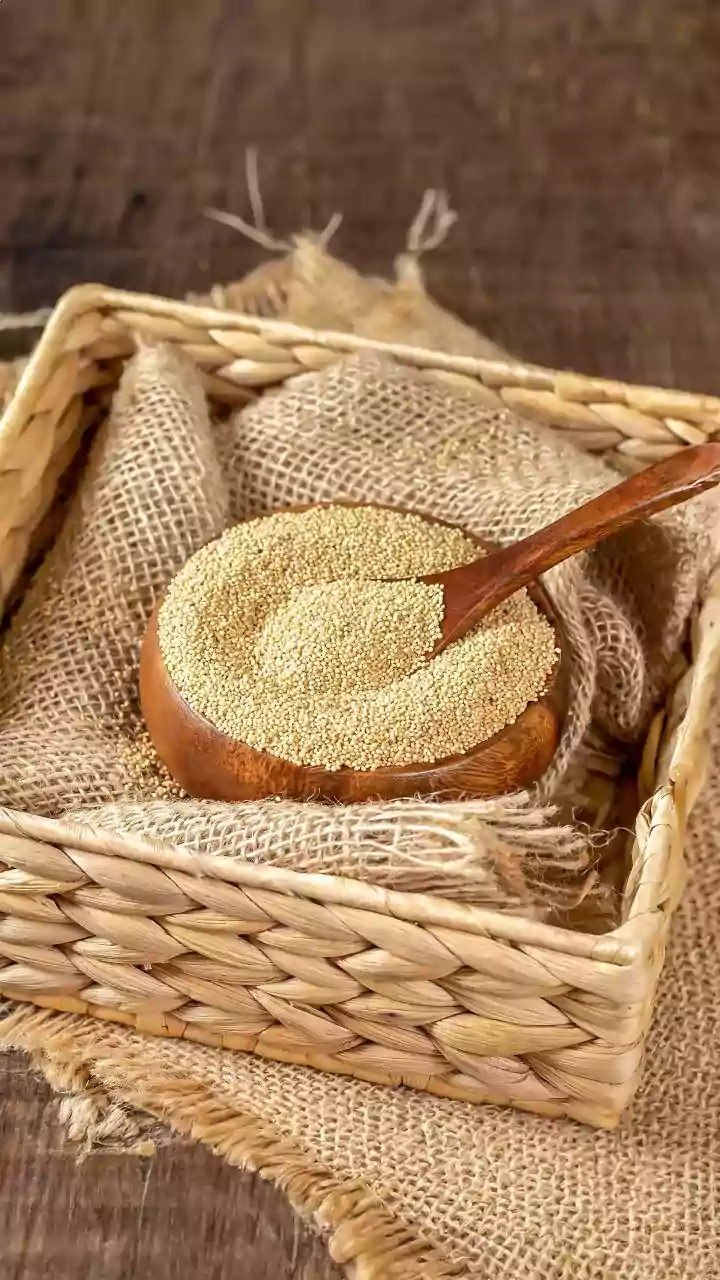
To make this tangible, many experts, citing research from projects like the American Gut Project, point to a simple benchmark: aim to eat 30 different plants per week. At first, that number might sound intimidating, but it’s more achievable than you think once you realize what counts. A “plant” isn’t just a whole vegetable. It includes: * **Fruits & Vegetables:** Each different kind counts as one (apple, kale, onion, bell pepper = 4). * **Grains:** Quinoa, oats, brown rice, and whole-wheat bread are all separate points. * **Legumes:** Lentils, chickpeas, black beans, and kidney beans are all individual plants. * **Nuts & Seeds:** Almonds, walnuts, chia seeds, and pumpkin seeds each count as one. * **Herbs & Spices:** Even a sprinkle of fresh parsley, cilantro, oregano, or a dash of turmeric counts! They are packed with unique polyphenols. Suddenly, a bowl of oatmeal with blueberries, walnuts, and chia seeds starts your day with four points. A salad for lunch with mixed greens, tomatoes, cucumbers, and a sprinkle of sunflower seeds adds four more.
Simple Ways to Boost Your Count
You don't need a total diet overhaul. Start with small, easy swaps and additions. * **Upgrade Your Grains:** If you normally eat white rice, try a quinoa and brown rice blend. Instead of plain oats, buy a multi-grain mix. * **Embrace Bean Diversity:** If your chili recipe calls for kidney beans, try adding black beans and pinto beans, too. That’s three points in one pot. * **Buy Mixed Bags:** Opt for mixed salad greens instead of just romaine. Buy a bag of mixed frozen berries for your smoothies or a jar of mixed nuts for snacking. * **Top Everything:** Get into the habit of sprinkling. Add a mix of seeds to your yogurt, salad, or avocado toast. Finish savory dishes with a flourish of fresh, chopped herbs like parsley or dill. * **Explore the Produce Aisle:** Each week, challenge yourself to buy one fruit or vegetable you’ve never tried before or haven’t had in a while, whether it’s a daikon radish, a persimmon, or a bunch of Swiss chard.