





It’s Not Actually an Oil
Here’s the plot twist that explains everything: jojoba oil isn't technically an oil. It's a liquid wax ester. This might sound like a minor scientific detail, but it’s the key to its magic. Most plant oils are made of triglycerides, which can feel heavy
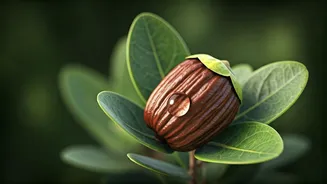
or greasy and sometimes clog pores. Jojoba, extracted from the seed of the Simmondsia chinensis shrub native to North America, has a chemical structure that is remarkably similar to our skin’s own natural moisturizer, sebum. This fundamental difference is why jojoba behaves so differently from coconut, olive, or argan oil. It’s not just another oil in your cabinet; it's a unique substance that works in harmony with your body’s largest organ.
A Perfect Match for Your Skin
Because jojoba is so similar to human sebum, your skin recognizes it. Instead of sitting on the surface like a heavy barrier, it absorbs quickly and deeply. This molecular mimicry has a powerful balancing effect. For those with dry skin, jojoba provides lasting, non-greasy hydration. But for those with oily or acne-prone skin, it can be a game-changer. When you apply it, your skin gets a signal that it's sufficiently moisturized, which can help regulate its own oil production. Essentially, you can trick your skin into producing less excess sebum, leading to a more balanced, less shiny complexion over time. It moisturizes without creating an oil slick, making it suitable for nearly every skin type.
A Multitasker for More Than Your Face
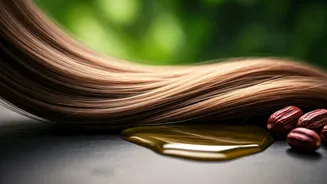
While fantastic as a facial moisturizer, jojoba’s versatility is one of its greatest strengths. Its uses extend from head to toe. For hair, it can be used as a pre-shampoo treatment to soothe a dry scalp or applied sparingly to the ends of damp hair to tame frizz and add shine. Its moisturizing properties are excellent for conditioning dry, brittle nails and cuticles—just a small drop massaged in can make a noticeable difference. It’s also a gentle and highly effective makeup remover, capable of dissolving stubborn waterproof mascara without stripping the delicate skin around your eyes. And because it's so stable, it's a perfect carrier for essential oils if you enjoy creating your own aromatherapy blends.
Gentle, Soothing, and Built to Last
Jojoba is widely considered non-comedogenic, meaning it's unlikely to clog pores—a major plus for anyone concerned about breakouts. It also contains natural forms of vitamin E, a powerful antioxidant that helps your skin fight oxidative stress caused by everyday pollutants and UV exposure. Furthermore, studies have shown it possesses anti-inflammatory properties, making it an excellent choice for soothing irritated, sensitive, or compromised skin. Think of it as a calming balm after sun exposure or for skin prone to redness. Another practical benefit? Jojoba is incredibly stable. Unlike many other plant oils that can go rancid quickly, it has a very long shelf life, so you don't have to worry about your bottle turning before you can finish it.
How to Choose and Use It
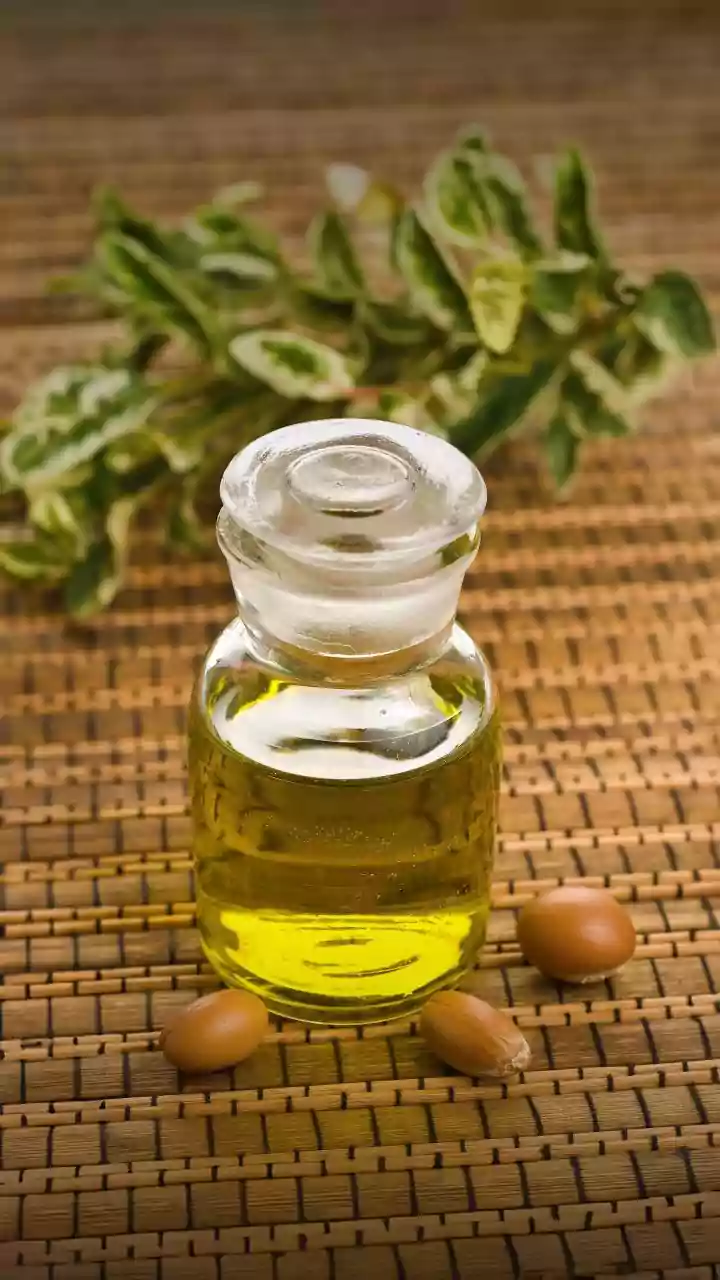
Ready to give it a try? Look for products that are 100% pure, cold-pressed, and unrefined (often appearing golden in color). This ensures that the beneficial compounds haven’t been destroyed by heat or chemical processing. You can use it on its own or add a few drops to your favorite moisturizer to boost its hydrating power. For facial application, start with just 2-3 drops, warm them between your palms, and gently press the oil into clean, slightly damp skin. Because it's so potent and absorbs so well, a little goes a very long way.