

The Problem with Dirt
Let’s be honest: for all its life-giving properties, soil is a messy and unpredictable partner for the indoor gardener. It’s a black box. Did you water too much? Not enough? The signs are often the same (yellow, drooping leaves), leaving you guessing.
Soil is also the perfect breeding ground for some of the most common houseplant headaches. Fungus gnats, the tiny black insects that swarm around your pot, lay their eggs in moist topsoil. Improperly sterilized potting mix can harbor other pests and pathogens. This constant battle of watering schedules, mysterious ailments, and unwelcome insect guests is the primary source of what we call “plant guilt”—the feeling that you’re just not a “plant person.”
The Soilless Revolution: Meet Semi-Hydroponics
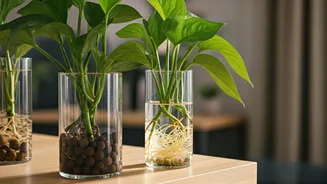
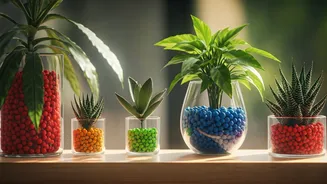
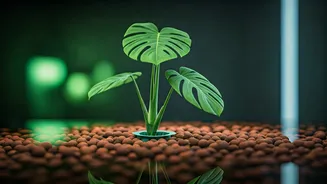
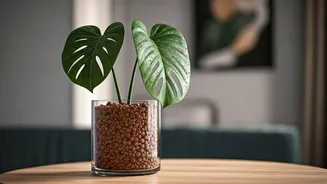
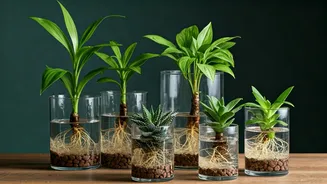
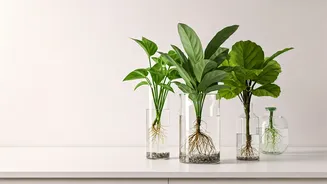
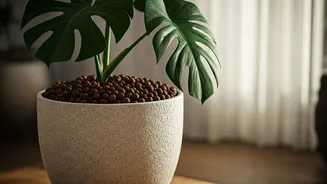
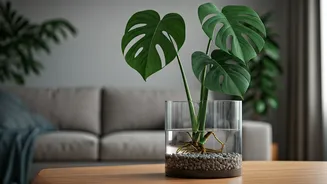
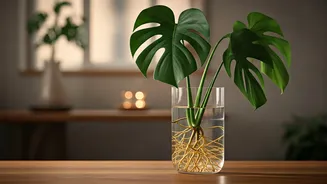
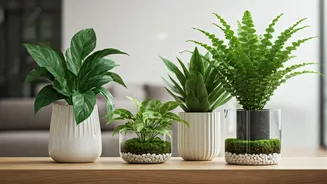
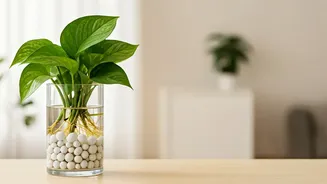
Enter the world of soilless growing, specifically a beginner-friendly method called semi-hydroponics. Instead of soil, plants are potted in an inert, sterile medium like LECA (Lightweight Expanded Clay Aggregate). These are the little reddish-brown clay balls you might have seen in modern planters. They don’t provide any nutrients themselves. Instead, they act as a stable, airy support system for the plant’s roots. The plant sits in a special pot, often a nursery pot placed inside a larger cache pot with no drainage hole. A reservoir of water mixed with a special hydroponic nutrient solution sits at the bottom. The clay balls wick the moisture up to the roots, providing the plant with exactly as much water as it needs, when it needs it.
Solving the Trinity of Troubles
This simple system directly addresses the three biggest pain points of plant ownership. First, no soil means no mess and, more importantly, no home for soil-dwelling pests like fungus gnats. Your battle with flying nuisances is effectively over. Second, it makes watering foolproof. The water reservoir system provides a visual cue—when the reservoir is empty, it’s time to refill it. This eliminates the guesswork that leads to root rot from overwatering, the number one killer of houseplants. The LECA provides ample airflow around the roots, preventing them from suffocating. Finally, it dramatically reduces “plant guilt.” By removing the most common points of failure, semi-hydroponics empowers you to be a successful plant parent, creating a more rewarding and less stressful hobby.
Getting Started Without the Stress
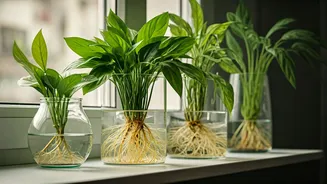
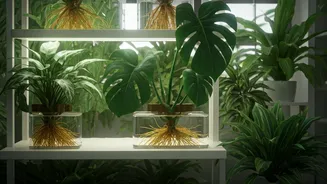
Transitioning to semi-hydroponics is simpler than it sounds. Many houseplants, especially aroids like Pothos, Monsteras, and Philodendrons, adapt beautifully. To start, you’ll need a plant, a bag of LECA, a hydroponic nutrient solution, and a two-pot system (a nursery pot with extra slits for roots and a cache pot to hold water). The most crucial step is cleaning all the old soil from the plant’s roots before repotting it into the LECA. It can take a few weeks for the plant to acclimate and grow its new “water roots,” but patience is rewarded with a resilient, low-maintenance plant. Start with one or two hardy plants, like a Snake Plant or ZZ Plant, to get a feel for the process. It's a small experiment that can fundamentally change your relationship with the greenery in your home.