



The Rise of 'Cozy Cardio'
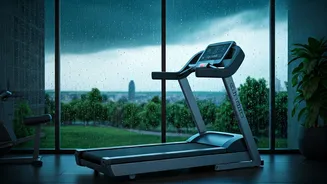
If your social media feeds are suddenly full of people leisurely walking on treadmills while watching a movie, you’ve witnessed the rise of “cozy cardio.” This trend rejects the all-or-nothing intensity that long dominated the fitness world. Instead,
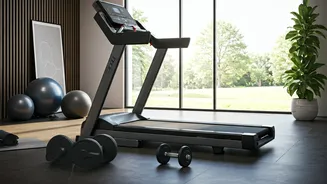
it prioritizes gentle, low-impact movement in a comfortable setting. Think walking on a pad at your standing desk, using a stationary bike while reading a book, or doing a light elliptical session while catching up on your favorite show. The goal isn't to burn a punishing number of calories but to make movement a consistent, enjoyable, and stress-reducing part of daily life. It’s a direct response to workout burnout, reframing exercise as an act of self-care rather than a chore to be endured.
Gamified Fitness and VR Workouts
What if your workout felt less like a set of reps and more like a video game? That’s the promise of gamified fitness, a trend supercharged by technology. Apps like Zwift turn indoor cycling into a competitive race through virtual worlds, while platforms like Supernatural and Beat Saber use virtual reality (VR) headsets to transform cardio sessions into immersive, rhythm-based games. Users aren't just counting down the minutes on a machine; they’re slashing targets, dodging obstacles, or exploring fantasy landscapes. This approach leverages psychology, using points, leaderboards, and achievements to foster motivation and make exercise genuinely fun. It’s particularly effective for those who find traditional workouts monotonous, turning the focus from physical exertion to playful engagement.
Strength Training for Longevity
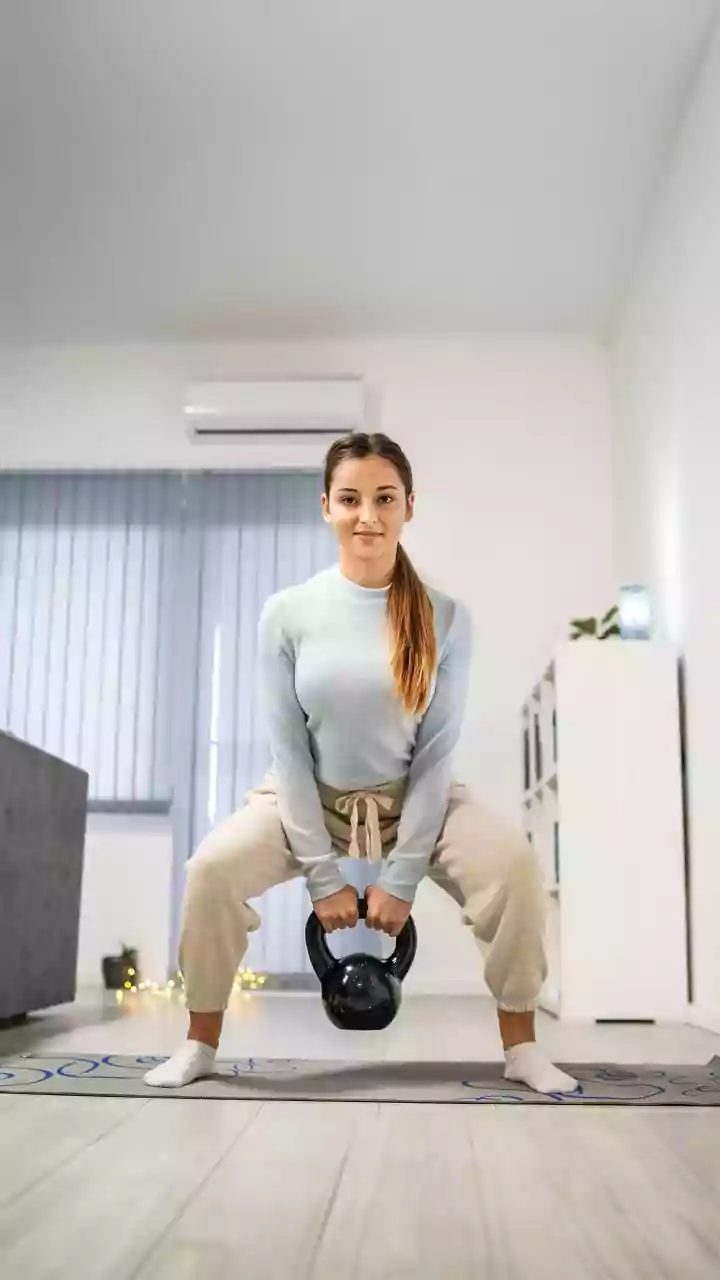
Lifting weights is nothing new, but the motivation behind it is undergoing a significant shift. While aesthetic goals are still a factor for many, a growing number of people are embracing strength training with a focus on long-term health and “longevity.” This approach prioritizes functional strength (the ability to perform daily tasks without injury), bone density, and joint stability. The conversation in the weight room is changing from 'how much can you bench?' to 'can you sit on the floor and stand up without using your hands?'. This functional, future-proofing mindset appeals to a broader demographic, from young adults looking to prevent future injuries to older Americans aiming to maintain their independence and quality of life for decades to come.
The Social Sweat: Rucking and Clubs
After years of solitary home workouts, people are craving community, and fitness is becoming a primary vehicle for social connection. Enter rucking, the practice of walking with a weighted backpack. It’s simple, scalable, and incredibly effective for building strength and endurance. More importantly, it’s often done in groups. Rucking clubs are popping up in cities across the country, organizing group walks that feel more like a social outing than a grueling workout. This concept extends to other activities, too, from running clubs that end at a local brewery to outdoor yoga meetups. The activity itself is almost secondary to the shared experience, combining physical wellness with the mental health benefits of belonging to a community.
Exercise 'Snacking'
Finding a full hour for a workout can feel impossible on a busy day. Exercise “snacking” offers a solution: breaking up physical activity into short, manageable bursts throughout the day. Instead of one long session, you might do 10 minutes of bodyweight exercises in the morning, a brisk 15-minute walk during your lunch break, and another 10 minutes of stretching before dinner. Research increasingly shows that these mini-workouts offer cumulative benefits for cardiovascular health, metabolism, and mood. This bite-sized approach lowers the barrier to entry, making fitness more accessible and less intimidating. It's a pragmatic strategy that helps people stay active consistently, proving that you don't need an hour of uninterrupted time to make meaningful progress.