


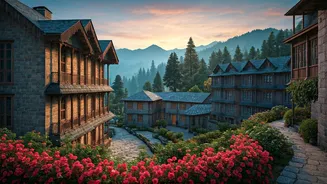


The Queen of the Hills Awakens
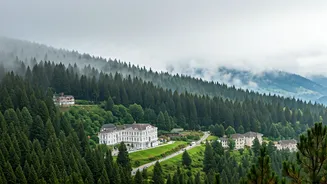
For much of the year, Shimla sits majestically in the Indian state of Himachal Pradesh, a city draped over seven hills, whispering tales of its colonial past. This isn't just any mountain town; it was the summer capital of British India, a high-altitude
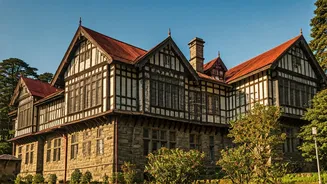
refuge where the entire government of a subcontinent would flee the scorching plains. The legacy of that era is everywhere, from the neo-Gothic Christ Church to the mock-Tudor facades lining the main promenade, known as the Mall Road. But as the last of the spring chill recedes and the rhododendrons burst into bloom, a palpable shift occurs. The cool mountain air, usually scented with pine and damp earth, starts to carry the faint, exciting hum of anticipation. The Queen of the Hills, as it's affectionately known, is preparing for her grandest party.
The Heartbeat: The Summer Festival
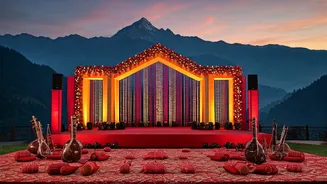
While the term "festival mode" captures a season-long atmosphere, its heart is the Shimla Summer Festival. Typically kicking off in late May or early June, this multi-day extravaganza is a tradition that dates back decades. It officially marks the peak of the tourist season, transforming the city’s central Ridge—a large, open space above the Mall Road—into a kaleidoscope of activity. This isn't a stuffy, high-culture affair. It’s a joyful, democratic celebration for everyone. Imagine colorful folk dance troupes from across the region, their silver jewelry glinting in the sun, performing alongside Bollywood singers and local rock bands. There are flower shows displaying prize-winning roses and orchids, dog shows featuring very proud owners and their even prouder pets, and a general air of communal celebration that’s infectious.
A Stroll Through the Spectacle
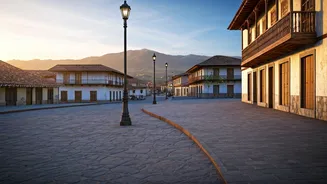
To understand Shimla in festival mode, you have to walk the Mall Road. This pedestrian-only thoroughfare becomes the city’s main artery, pumping with life. The usual leisurely pace quickens. Families from Delhi and Chandigarh, escaping the heat, mingle with international backpackers and local Shimla residents dressed in their finest. The scent of buttery roasted corn-on-the-cob from street vendors mixes with the sweet aroma of pastries from iconic colonial-era bakeries like Trishool. Shops that normally sell woolen shawls and carved wooden souvenirs now overflow onto the pavement, their wares catching the eyes of strolling crowds. The normally stoic Gaiety Theatre, a Victorian playhouse where Rudyard Kipling once performed, buzzes with special screenings and cultural events. It’s a place to see and be seen, a living diorama of modern India at leisure, set against a stunning backdrop of British colonial architecture.
The Tastes and Sounds of Celebration
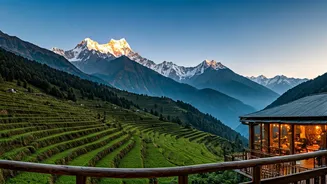
Festival mode is a full sensory experience. Beyond the main stage, the soundtrack is a blend of laughing children, the chatter of a dozen languages, and the distant echo of a Himachali folk song. Food stalls pop up everywhere, offering more than just the usual fare. You can sample *siddu*, a steamed and filled local bread, or dig into a plate of spicy *chana bhatura*. For the less adventurous, there’s always a soft-serve ice cream cone, which somehow tastes better at 7,000 feet. The experience isn't confined to the main festival grounds. Cafes with panoramic mountain views are packed, their patios filled with people sipping tea and watching the human parade below. The entire city feels connected by this shared experience, a collective decision to embrace joy and shake off the winter slumber.