



1. Prioritize Light and Airflow
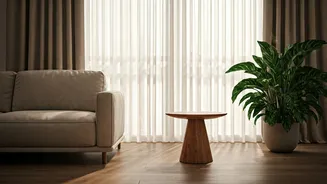
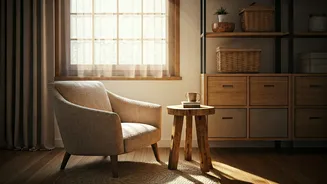
The foundation of any calming space is an abundance of natural light and fresh air. Psychologically, brightness counters feelings of confinement and gloom. Start by assessing your windows. Are they blocked by heavy, dark curtains or cluttered sills? Swap
them for sheer, light-filtering fabrics that offer privacy without sacrificing daylight. If you’re dealing with a room that lacks natural light, mimic it with smart lighting. Use layered light sources—overhead, task, and ambient—with warm-toned, dimmable LED bulbs to create a soft, inviting glow that you can adjust throughout the day. Similarly, ensure air can circulate. Avoid blocking vents with furniture and, when possible, create cross-breezes to keep the air from feeling stagnant and heavy.
2. Establish Uninterrupted Flow
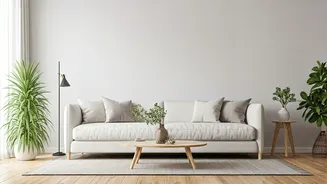
Visual and physical clutter creates mental clutter. A key tenet of a wellness layout is creating clear, unobstructed pathways that allow your eyes—and your body—to move freely through a room. This doesn't mean your home has to be sparse, but it does mean arranging furniture to support intuitive movement. Can you walk from the door to the sofa without weaving around a coffee table or an ottoman? Do visual sightlines stretch across the room to a window or a piece of art? This sense of unimpeded flow sends a subconscious signal to our brain that the environment is safe, open, and easy to navigate, which inherently reduces low-level stress.
3. Embrace a Nature-Inspired Palette
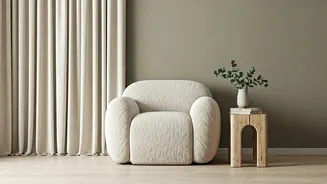
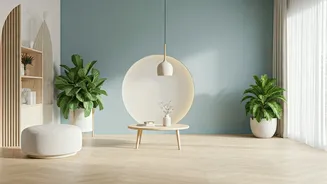
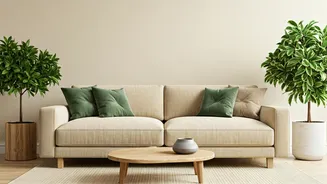
Color is one of the most powerful and inexpensive tools for shifting the mood of a room. Wellness design leans heavily on palettes borrowed from nature, which we are biologically wired to find soothing. Think of the soft greens of new leaves, the calming blues of the sky and sea, the warm beiges of sand, and the grounding grays of stone. These colors are low in saturation and easy on the eyes, creating a restorative backdrop. You can introduce this palette through paint, but also through textiles, art, and decor. The goal is to create a cohesive, harmonious environment that doesn’t jolt the senses with overly bright or chaotic color schemes.
4. Integrate Natural Materials and Textures
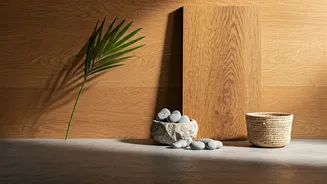
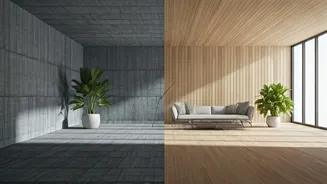
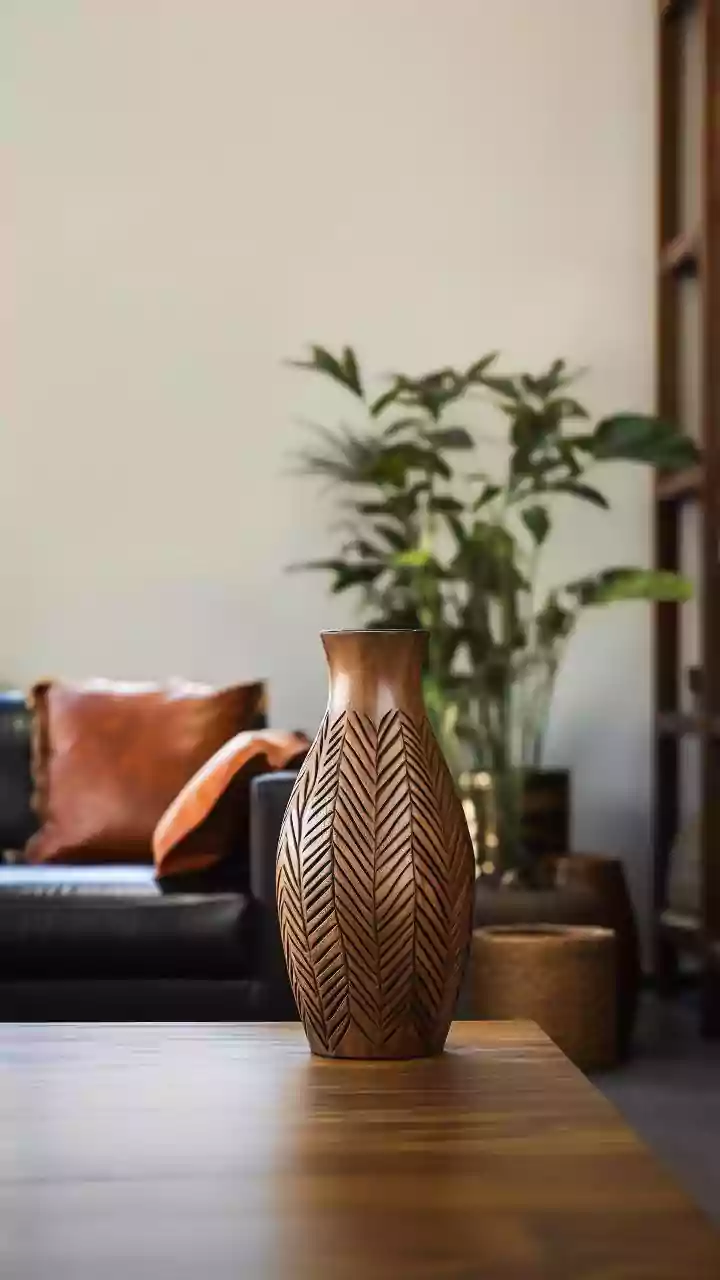
Beyond color, the materials in your home have a profound effect on its atmosphere. This principle, known as biophilic design, is about connecting our indoor spaces with the natural world. Swap out synthetic materials for organic ones whenever possible. Think a solid wood dining table instead of laminate, a wool or jute rug instead of polyester, and linen or cotton bedding. These materials not only look and feel better, but they also provide textural variety that engages the senses in a gentle, pleasing way. The subtle imperfections and warmth of wood, stone, and natural fibers remind us of the world outside, grounding us in our space.
5. Master the Art of Concealed Storage
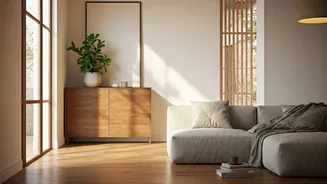
A calm home is a tidy home, but that doesn't mean you need to get rid of all your possessions. The key is strategic, thoughtful storage. Piles of mail, tangled cords, and stacks of magazines create visual noise that contributes to a feeling of being overwhelmed. Invest in beautiful and functional storage solutions that conceal the clutter of everyday life. This could be a credenza with solid doors, woven baskets for blankets and toys, or a media console that hides electronics. The principle is simple: if you don't need to see it, put it away. By assigning a home to every object, you free up both physical and mental space, allowing the airy, intentional design to shine through.
6. Cultivate Greenery
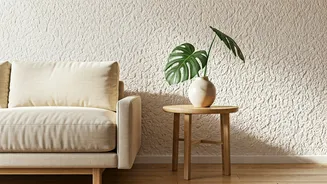
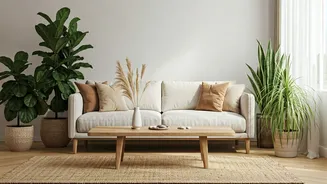
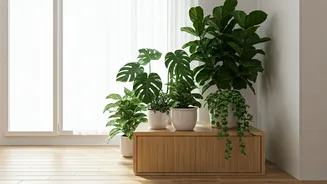
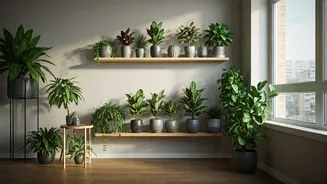
The easiest and most impactful way to bring wellness into your home is by adding living plants. Studies have shown that the presence of houseplants can reduce stress, improve air quality, and even boost concentration. They are a literal, living connection to nature. You don’t need to turn your apartment into a jungle. Start with a few easy-care plants like snake plants, pothos, or ZZ plants. Place them where you’ll see them often—on a bookshelf, a windowsill, or a side table. The simple act of caring for them and watching them grow can be a meditative practice in itself, adding another layer of calm to your daily routine.