


More Than a Smarter Bulb
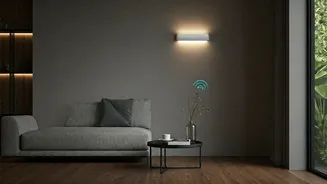
When we hear “smart lighting,” many of us picture a single, color-changing bulb controlled by a smartphone app—a fun novelty. But in the context of modern, high-end apartment buildings, the reality is far more sophisticated. We’re talking about a fully
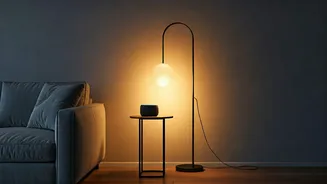
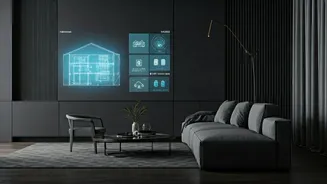
integrated, building-wide system that’s less of a gadget and more of a foundational utility, like plumbing or HVAC. This new generation of lighting is an infrastructure layer. It’s a network of interconnected fixtures and sensors that can communicate with each other, with other smart devices in the apartment, and with the building’s management system. It’s a platform that doesn’t just provide illumination but also collects data and responds to the needs of its inhabitants in real-time, forming the backbone of a truly responsive living space.
Lighting for Human Wellness
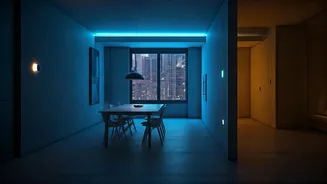
Perhaps the most significant upgrade is the focus on human-centric lighting, specifically systems that support our natural circadian rhythms. Our bodies are hardwired to respond to the changing light of the sun, which regulates our sleep-wake cycles, mood, and energy levels. Traditional indoor lighting disrupts this, bathing us in static, biologically inappropriate light. Future-forward apartments are tackling this with tunable lighting that automatically adjusts its color temperature and intensity throughout the day. It provides bright, blue-toned light in the morning to promote alertness and gradually shifts to a warm, amber glow in the evening to signal the body it's time to wind down. This isn’t just a luxury; it’s a health feature designed to improve sleep quality, boost productivity, and enhance overall well-being—a crucial advantage in dense urban environments where access to natural light can be limited.
The Engine of Efficiency and Security
For property developers and managers, the business case is just as compelling. Smart lighting systems are masters of energy efficiency. By using a combination of motion sensors, daylight harvesting (dimming lights when natural sunlight is sufficient), and scheduling, these systems can slash a building's energy consumption for lighting by 50% or more. This translates into significant cost savings and helps buildings meet stringent green certification standards like LEED. On the security front, the same network becomes a powerful tool. A “vacation mode” can mimic a resident's daily lighting patterns to deter intruders. Integrated sensors can trigger lights to turn on when a smart camera detects motion or a smoke alarm goes off, illuminating exit paths during an emergency. The lighting system transforms from a passive utility into an active participant in keeping the building safe and sustainable.
Weaving the Home’s Smart Fabric
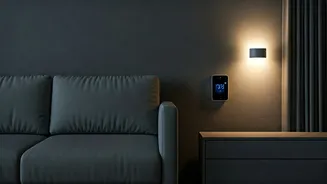
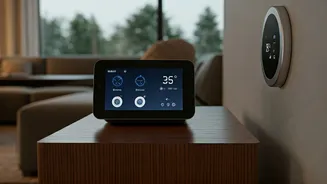
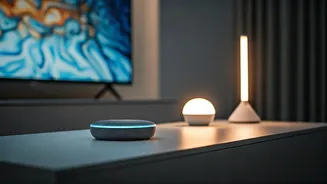
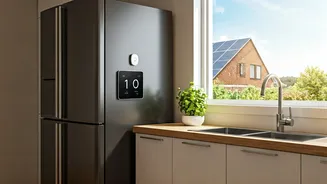
Smart lighting's true power is unlocked when it stops acting alone and starts collaborating. In a truly smart habitat, the lighting system is the great communicator. It works with motorized shades, automatically dimming the lights as the shades open on a sunny day. It talks to the thermostat, signaling that no one is in a room, allowing the climate control to enter an energy-saving mode. It listens to voice assistants, allowing residents to control entire environmental “scenes”—like “Movie Night” or “Focus Time”—with a single command that adjusts lights, shades, and temperature simultaneously. This seamless integration moves the apartment beyond a collection of disparate smart devices and toward a cohesive, intelligent environment that anticipates and adapts to the occupant's life.