
Why That Little Puddle Matters
After a long, dry spell, it’s tempting to think any water is good water. We spend months diligently hydrating our container gardens, so the idea that a little excess could be a problem seems counterintuitive. But the standing water that collects in the saucers
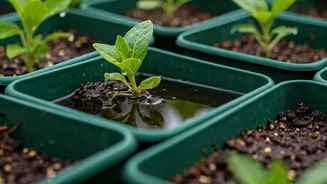
and trays beneath your pots is different. It isn’t nourishing your plants; instead, it’s creating a stagnant, isolated ecosystem—one that can quickly become a major headache for both your garden and your family’s health. This isn't just about preventing a mess on your patio. During the unique conditions of a monsoon, where humidity spikes and temperatures are still warm, that small dish of water transforms from a harmless overflow catcher into a perfect breeding ground for pests and disease.
A Five-Star Resort for Mosquitoes
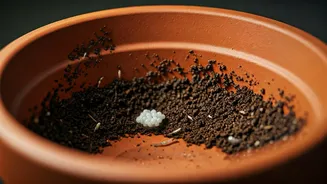
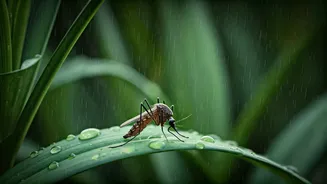
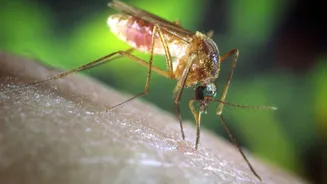
The number one reason to be vigilant about your pot trays is mosquitoes. It can take as little as a teaspoon of standing water for a mosquito to lay hundreds of eggs. In the warm, humid weather of monsoon season, those eggs can hatch and mature into adult, biting mosquitoes in less than a week. This isn't just an annoyance; it's a public health issue. Mosquitoes in the United States can transmit dangerous diseases, including West Nile virus, Zika virus, dengue, and chikungunya. Local health departments across the Southwest consistently warn residents that small, man-made containers are the primary source of mosquito proliferation in residential areas. Your beautiful potted bougainvillea’s saucer could unintentionally be contributing to a neighborhood-wide problem. By simply tipping out that water, you’re performing a vital act of community pest control.
Protecting Your Plants from Drowning
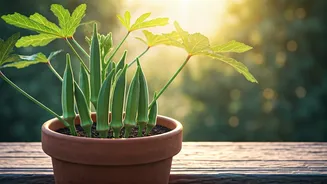
While you’re protecting yourself from pests, you’ll also be saving your plants from a slow death. Most plant roots need oxygen to survive. When a pot sits in a saucer full of water, the soil at the bottom becomes completely saturated. This waterlogged environment, known as anaerobic soil, cuts off the oxygen supply to the roots. This leads to root rot, a fungal disease that can quickly kill even the most robust plant. The signs are often confusing—yellowing leaves, wilting—which can make a gardener think the plant needs more water, not less. During monsoon, when the air is humid and the rain is frequent, your plants are already getting plenty of moisture. Allowing them to sit in standing water is a guaranteed way to invite rot, fungus, and mold that thrive in damp, stagnant conditions.
Your Simple Pre-Monsoon Action Plan
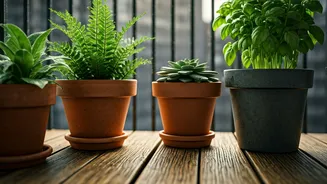
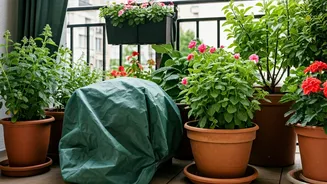
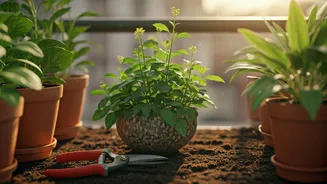
Getting your container garden monsoon-ready is simple and takes just a few minutes. Make it a routine to check your plants after every significant downpour. Start with a quick walkthrough of your yard, patio, and balcony. Tip and drain any and all saucers, trays, or decorative outer pots that have collected water. For larger, heavier pots that are difficult to move, you can use a turkey baster to siphon out the excess water. A more permanent solution is to elevate your pots using “pot feet” or simple bricks. This small lift creates airflow, allowing water to drain away freely and preventing the pot from sitting directly in a puddle. Finally, take a moment to ensure the drainage holes in your pots themselves aren't clogged with soil or roots. A clear drainage path is your best defense against waterlogged soil.