






An Ancient Staple Gets a Modern Boost
For hundreds of millions of people, the roti—a simple, unleavened flatbread also known as chapati—is the foundation of a meal. Made from whole wheat flour (atta) and water, it’s the perfect vehicle for scooping up dals, curries, and vegetables. But in today's
wellness-focused world, health-conscious home cooks are asking: can this daily bread do more? The answer, it seems, is a resounding yes. By blending nutrient-rich powders into the dough itself, they are transforming a simple carbohydrate into a functional food, seamlessly integrating powerful supplements into the family’s diet without a fuss.
Meet Moringa: The 'Miracle Tree'
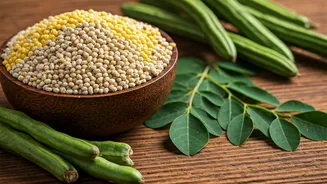
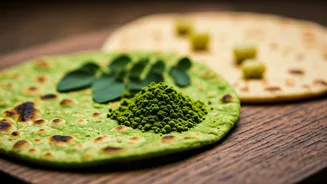
If you've spent any time in a health food store lately, you've likely seen moringa. Hailing from the Moringa oleifera tree, native to North India, this plant has been used in traditional medicine for centuries. The leaves are packed with an incredible array of nutrients, including vitamins A, C, and E, as well as calcium, potassium, and protein. Once harvested and dried, they are ground into a fine, bright green powder that resembles matcha. Moringa is celebrated for its antioxidant and anti-inflammatory properties. When added to roti dough, it imparts a vibrant green hue and a mild, earthy flavor that’s often compared to spinach. It's a simple way to add a concentrated dose of greens to a meal, a trick especially valued by parents of picky eaters.
Introducing Amla: The Vitamin C Powerhouse
Amla, or Indian gooseberry, is another cornerstone of Ayurvedic medicine. This small, tart green fruit is revered for one thing above all: its extraordinarily high vitamin C content. It's estimated to contain up to 20 times the vitamin C of an orange, making it a potent immune-booster. Traditionally consumed pickled, candied, or as a juice, amla powder is now finding its way into modern kitchens. The freeze-dried powder retains much of the fruit's nutritional value and its characteristic sour, slightly astringent taste. In a roti, a small amount of amla powder can add a subtle, pleasant tang that brightens the flavor of the whole wheat, while also providing a significant antioxidant boost. It's a way of weaving the principles of seasonal, preventative wellness into the fabric of daily life.
Why Blend Them Into Dough?
The genius of this trend lies in its simplicity and efficiency. Rather than convincing family members to drink a green smoothie or swallow a supplement, this method 'hides' the wellness boost in a food that is already loved and consumed daily. It’s a form of nutritional fortification at the household level. For busy families, it’s a time-saving hack that ensures everyone, from children to grandparents, is getting an extra dose of vitamins and minerals with minimal effort. This approach also speaks to a deeper cultural philosophy of food as medicine—a belief that what you eat should not only satisfy hunger but also nourish and protect the body. By integrating these powerful ingredients into the daily roti, cooks are simply applying ancient wisdom in a practical, modern context.
Flavor, Texture, and Getting it Right
Curious to try? The key is to start small. These powders are potent in both nutrition and flavor. For a batch of 10-12 rotis (using about 2 cups of flour), begin by adding just one teaspoon of moringa powder or half a teaspoon of amla powder. Moringa will give the rotis an earthy note and a noticeable green color. Amla will introduce a slight tanginess that can be quite pleasant, cutting through the richness of accompanying dishes. You can use them individually or together. Simply whisk the powder into the dry flour before adding water to ensure it's evenly distributed. The texture of the roti remains largely unchanged, making it an incredibly forgiving base for experimentation. As you get comfortable with the flavors, you can adjust the quantities to your liking.