
The Opposite of an Easy Getaway
Let’s get one thing straight: Spiti is not for everyone, and that’s the entire point. Tucked away in a high-altitude corner of the Indian Himalayas, this remote desert valley is the antithesis of a weekend jaunt. There are no five-star resorts, no beach
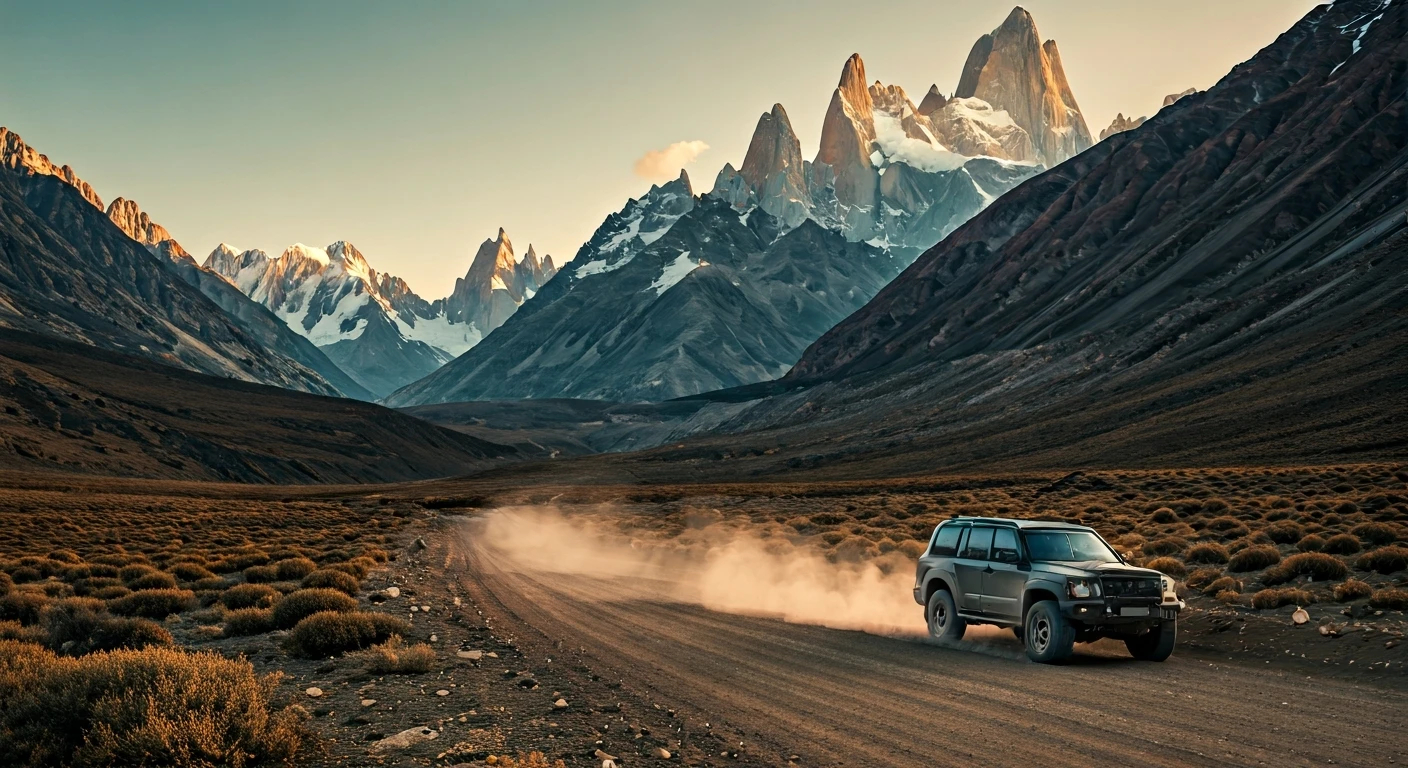
clubs, and no direct flights. Getting there involves a multi-day, bone-rattling road trip over some of the world’s most treacherous mountain passes, where landslides are a common travel companion and Wi-Fi is a distant memory. The air is thin, the amenities are basic, and the weather is brutally unpredictable. This isn't a flaw; it's a feature. The sheer difficulty of access acts as a natural filter, weeding out casual tourists and leaving the valley for those who genuinely seek what it offers: raw, unfiltered, life-altering adventure.
A Landscape from Another Planet
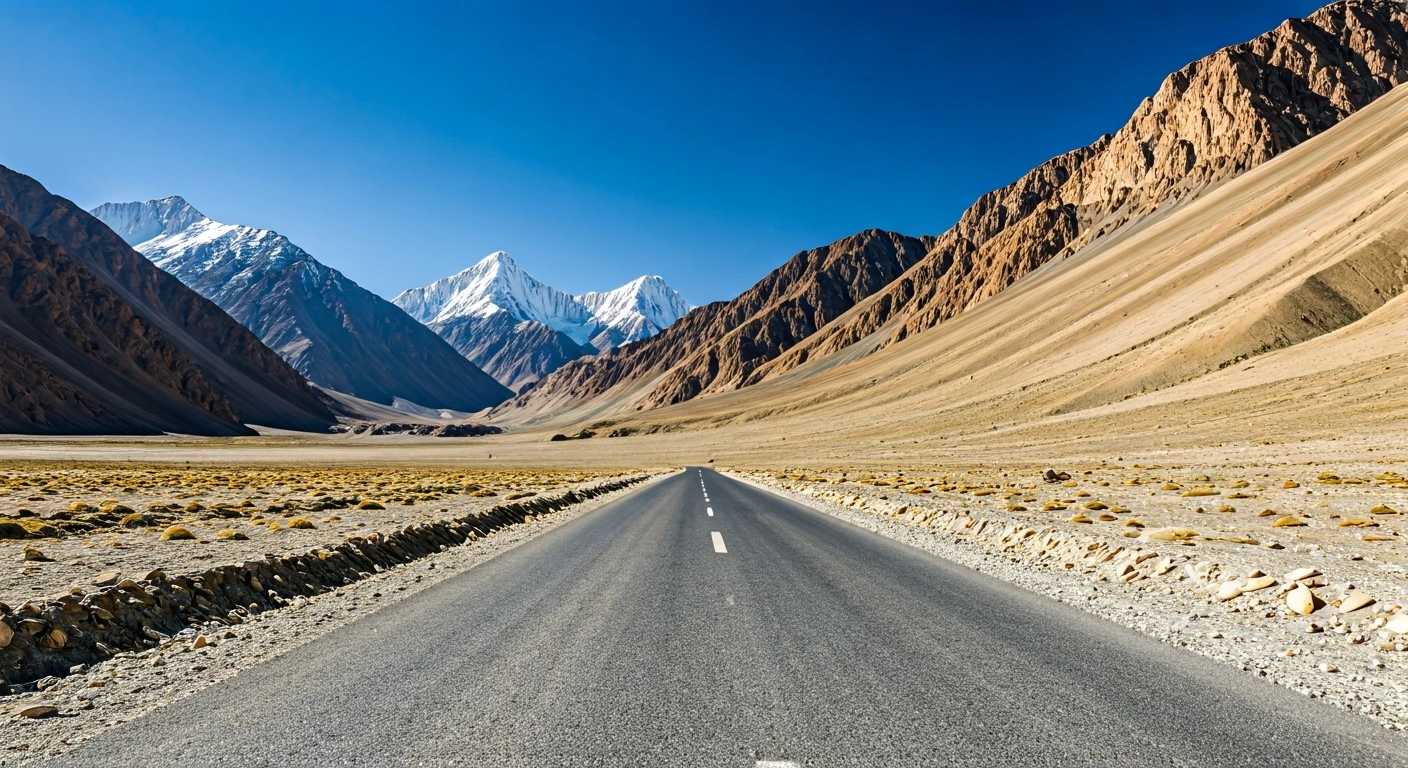
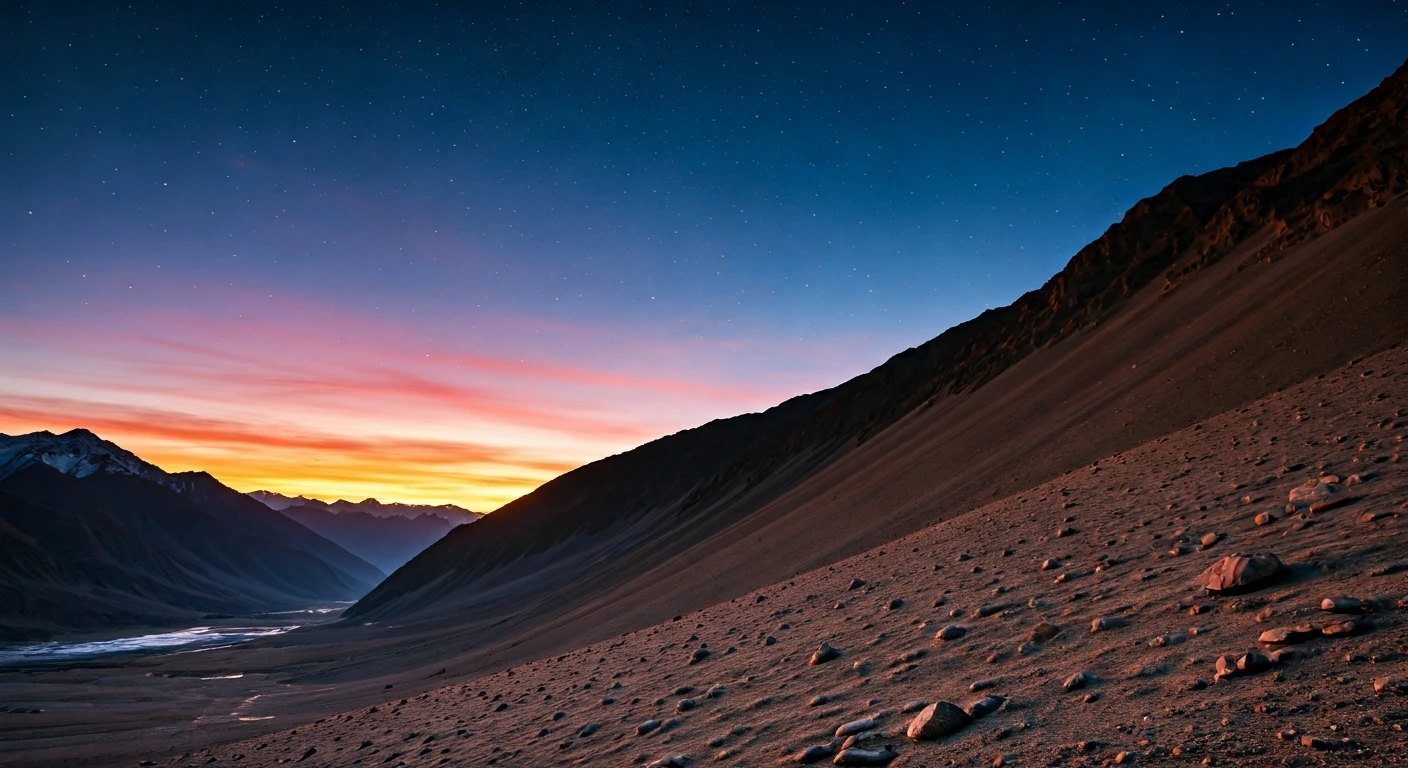
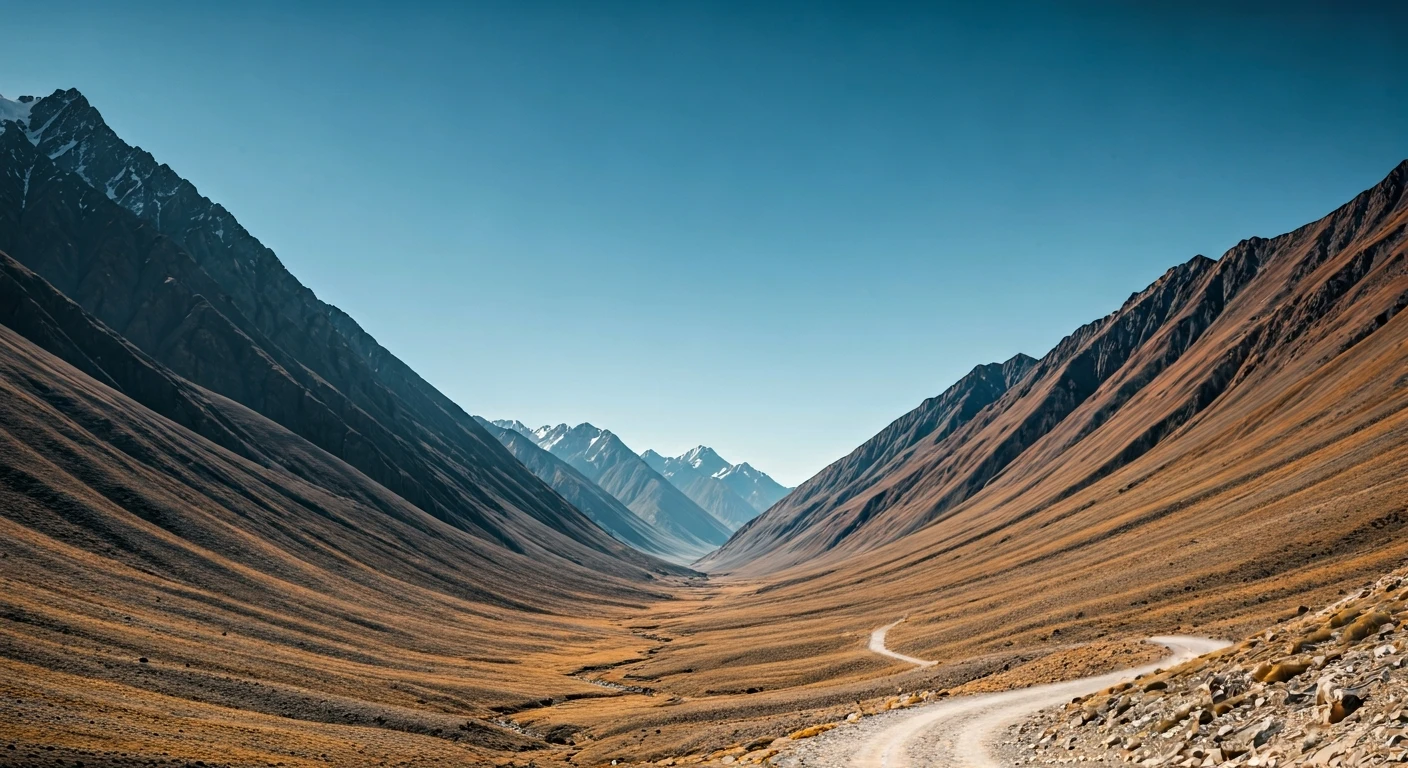
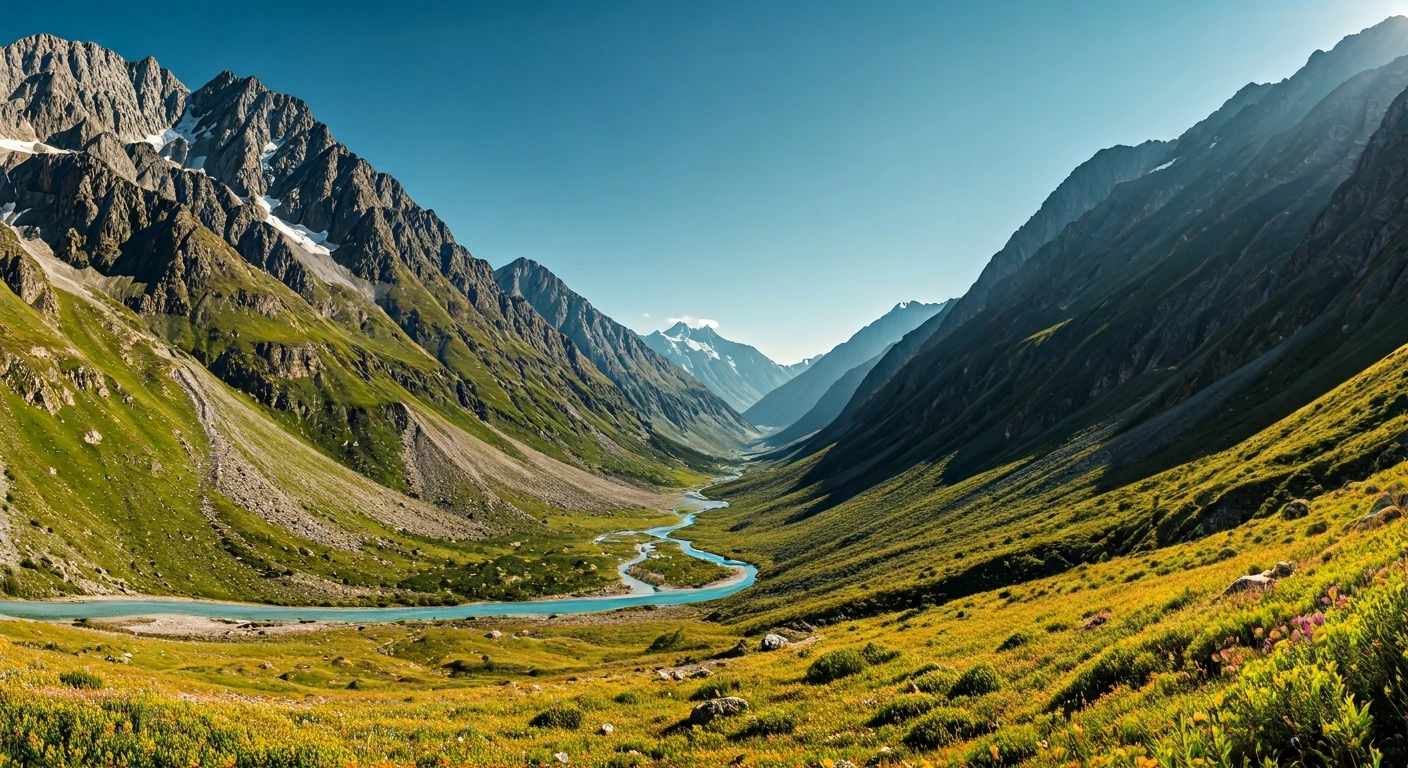
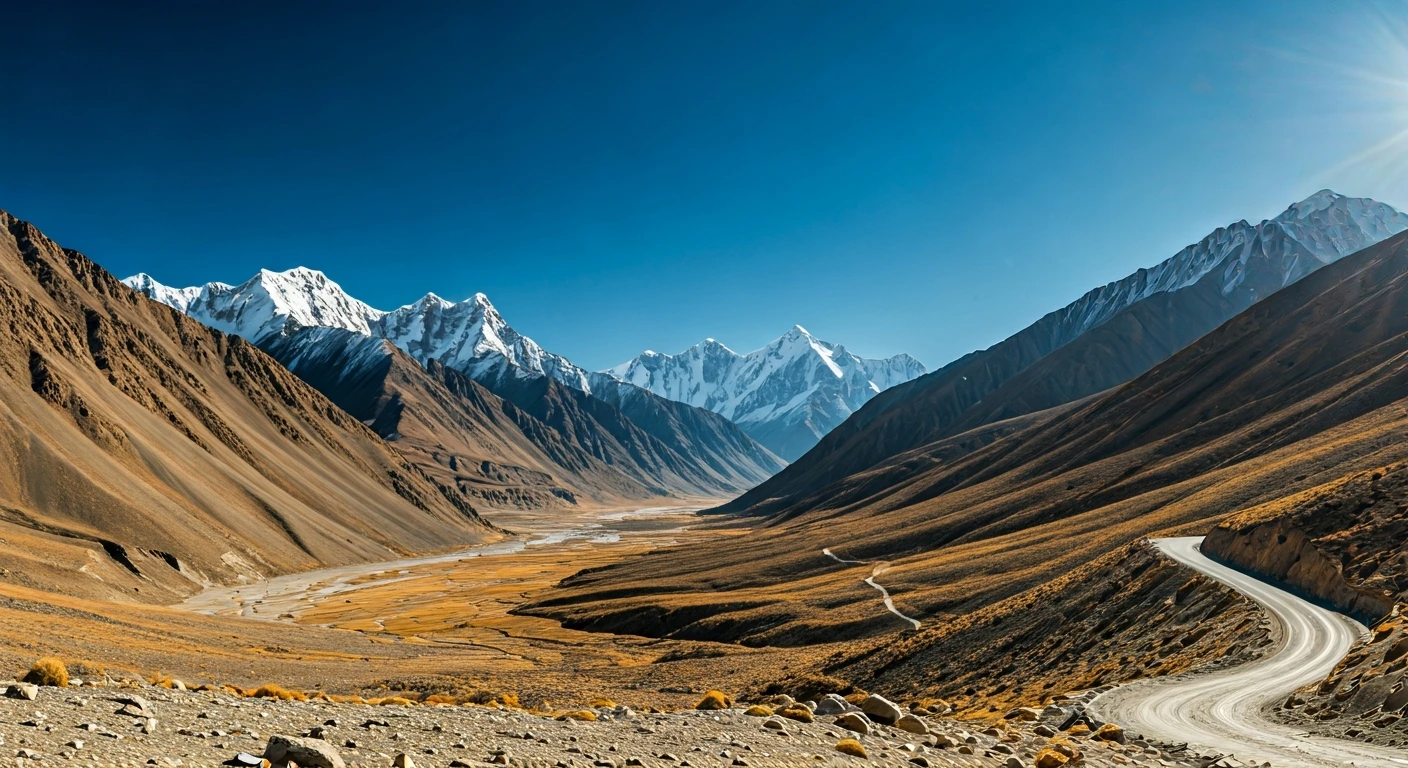
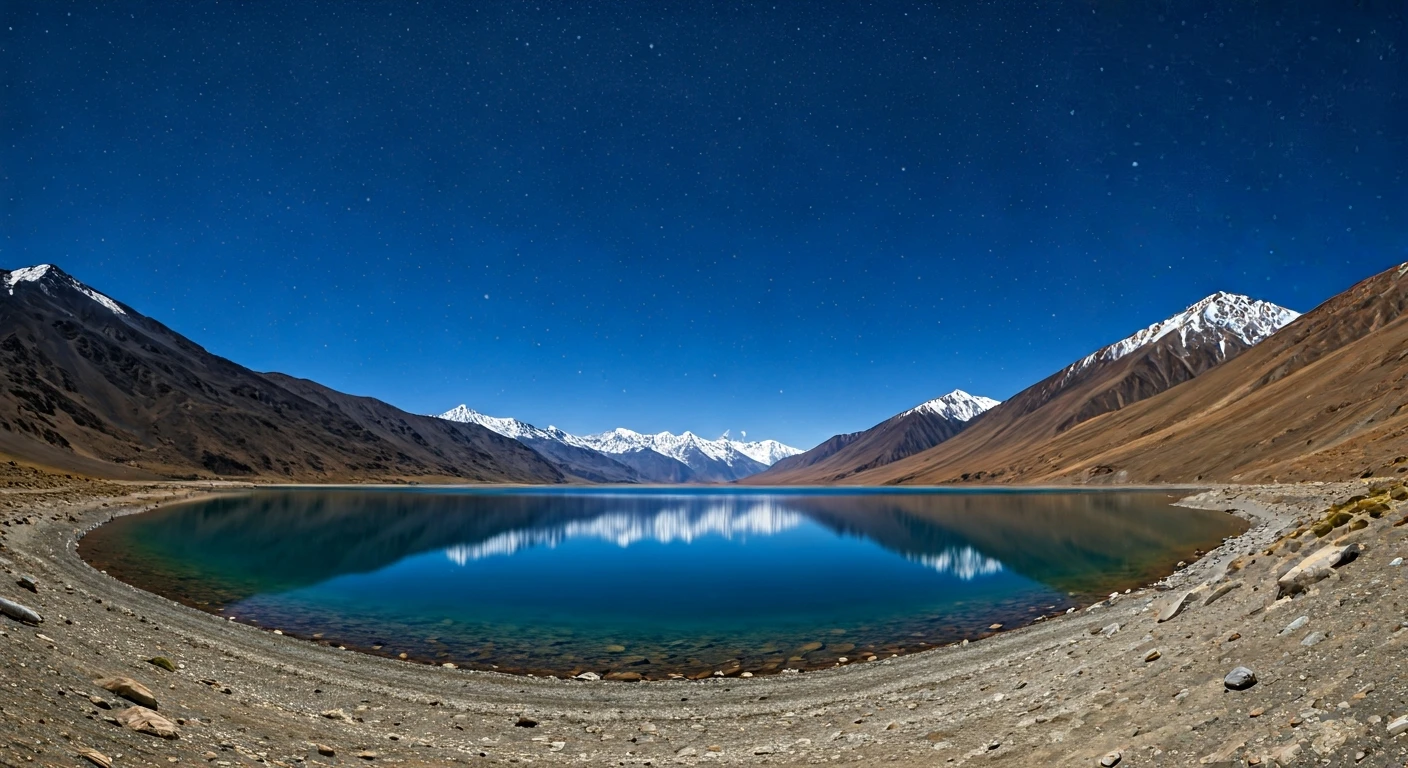
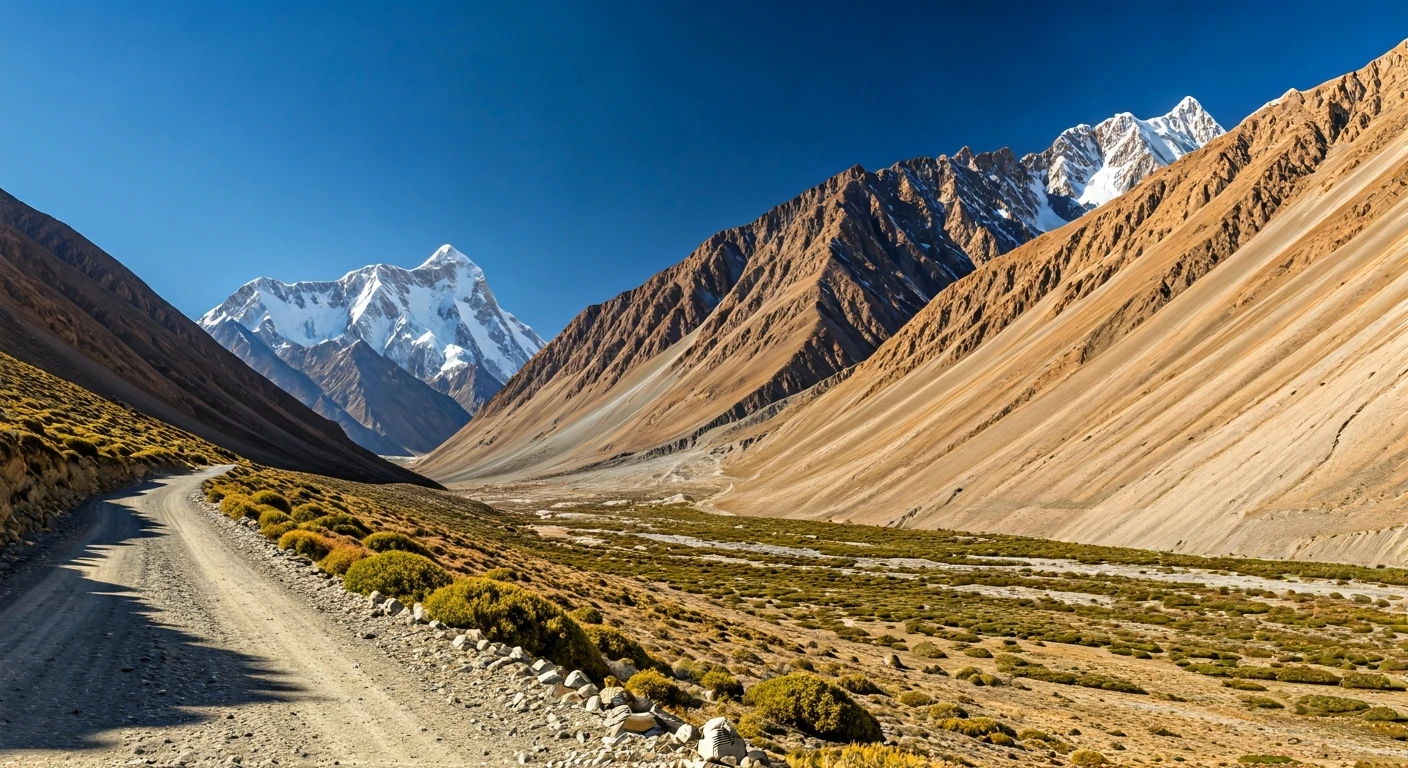
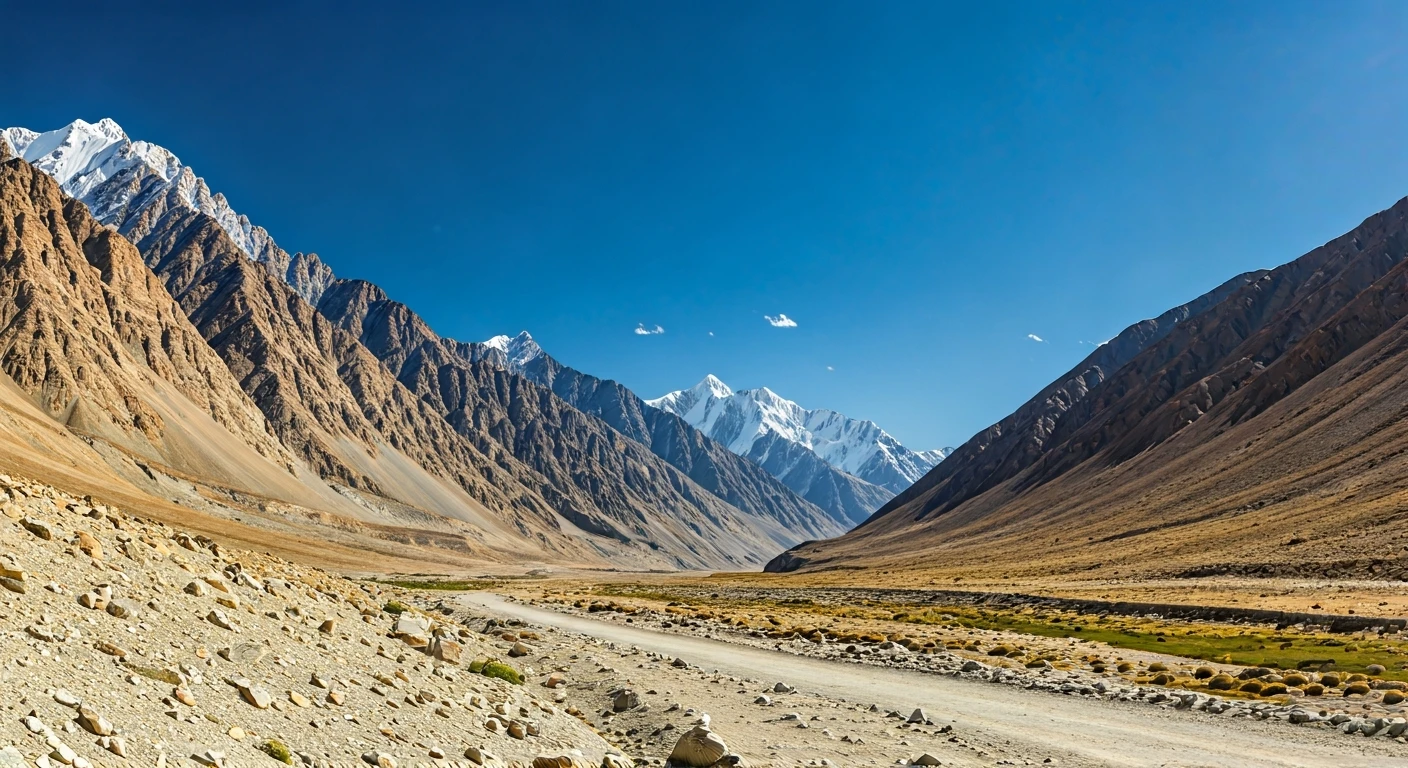
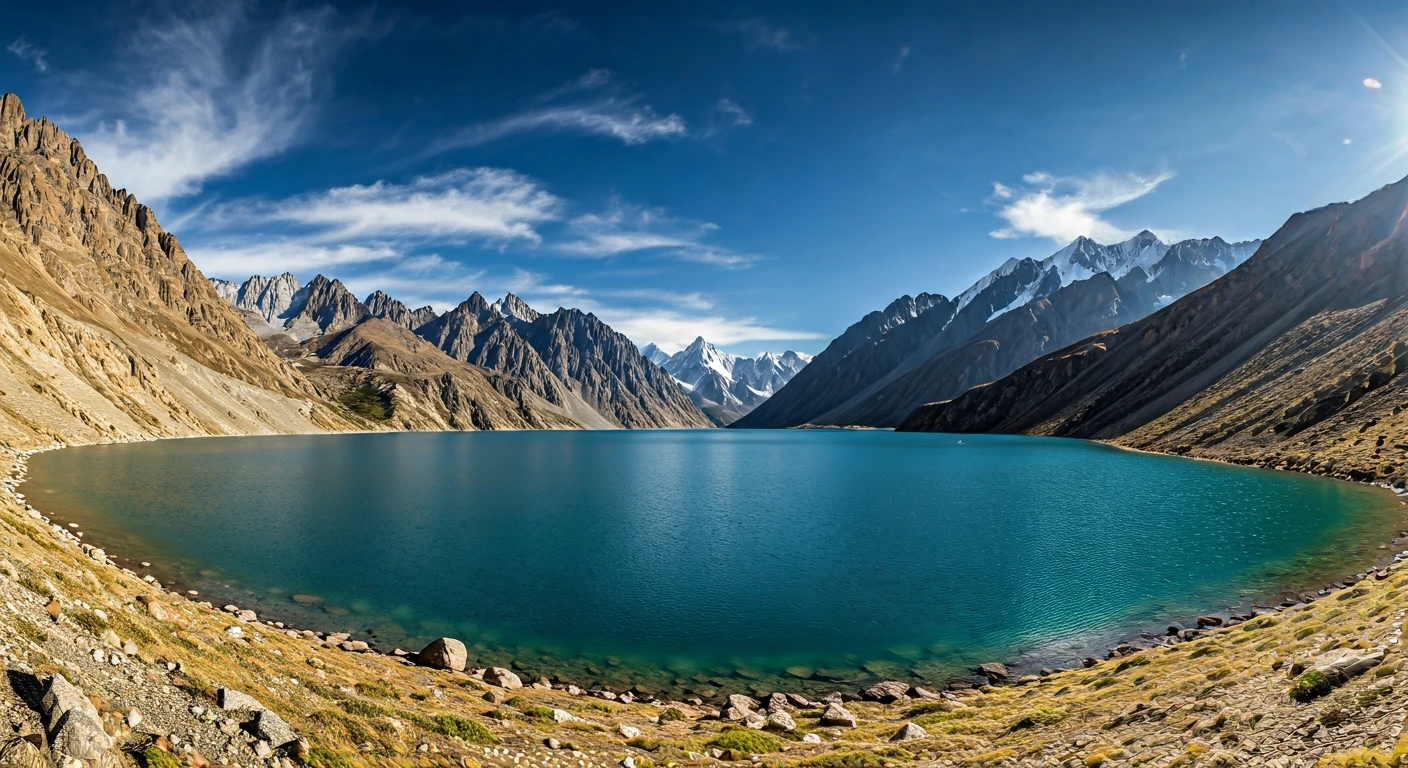
Often called “Little Tibet,” Spiti Valley’s landscape is a breathtaking tableau of stark, dramatic beauty. Picture barren, rust-colored mountains soaring into a piercingly blue sky, their jagged peaks dusted with snow. Winding through this immense emptiness is the turquoise Spiti River, a ribbon of life in a cold desert. The scenery feels primordial, almost Martian. Dotted throughout this vastness are tiny, whitewashed villages and ancient Buddhist monasteries that seem to grow directly out of the cliff faces. The most iconic of these, Key Gompa, is a sprawling, fort-like complex that has been a center of learning for over a thousand years. Driving through Spiti is a lesson in scale and humility; it makes you feel profoundly small in the best possible way, reminding you of the planet’s raw power and ancient history.
Where the Journey Is the Point
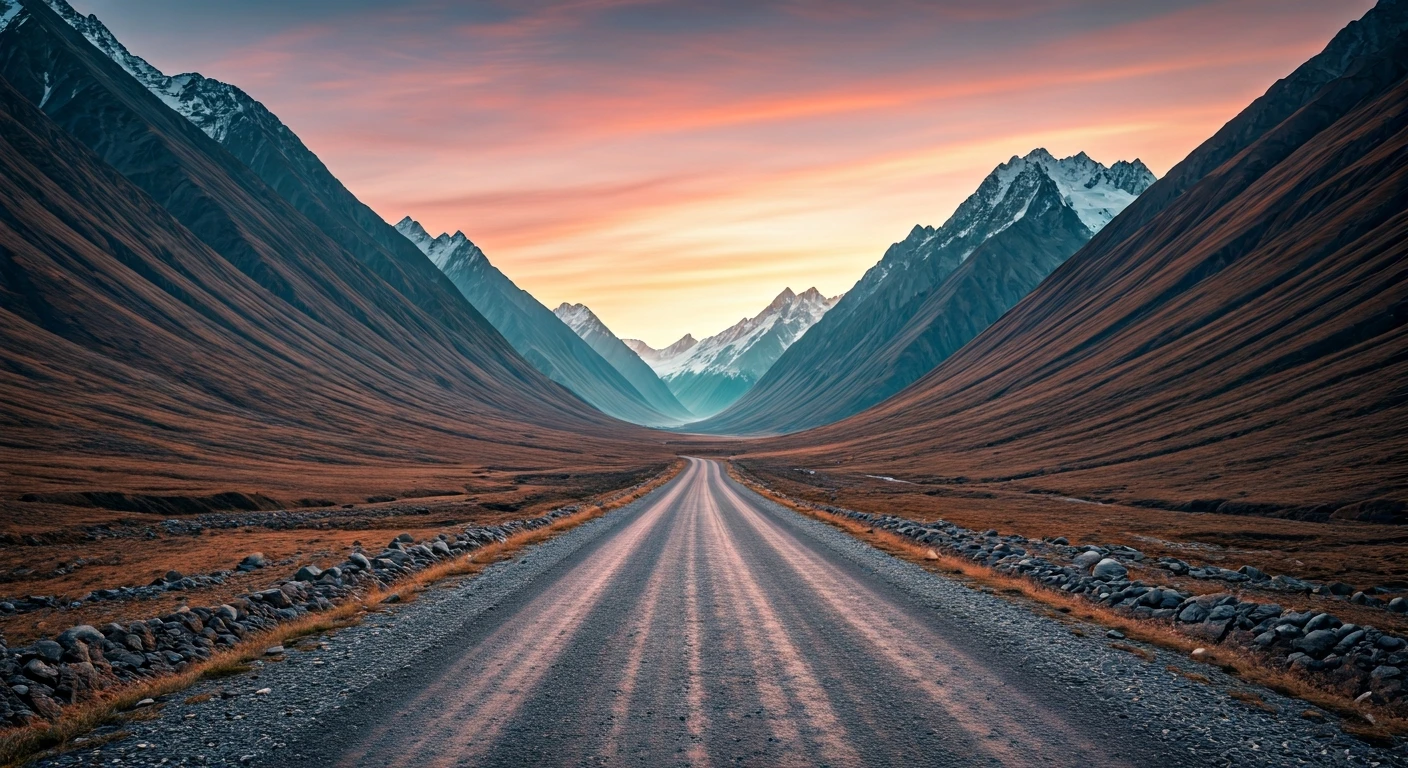
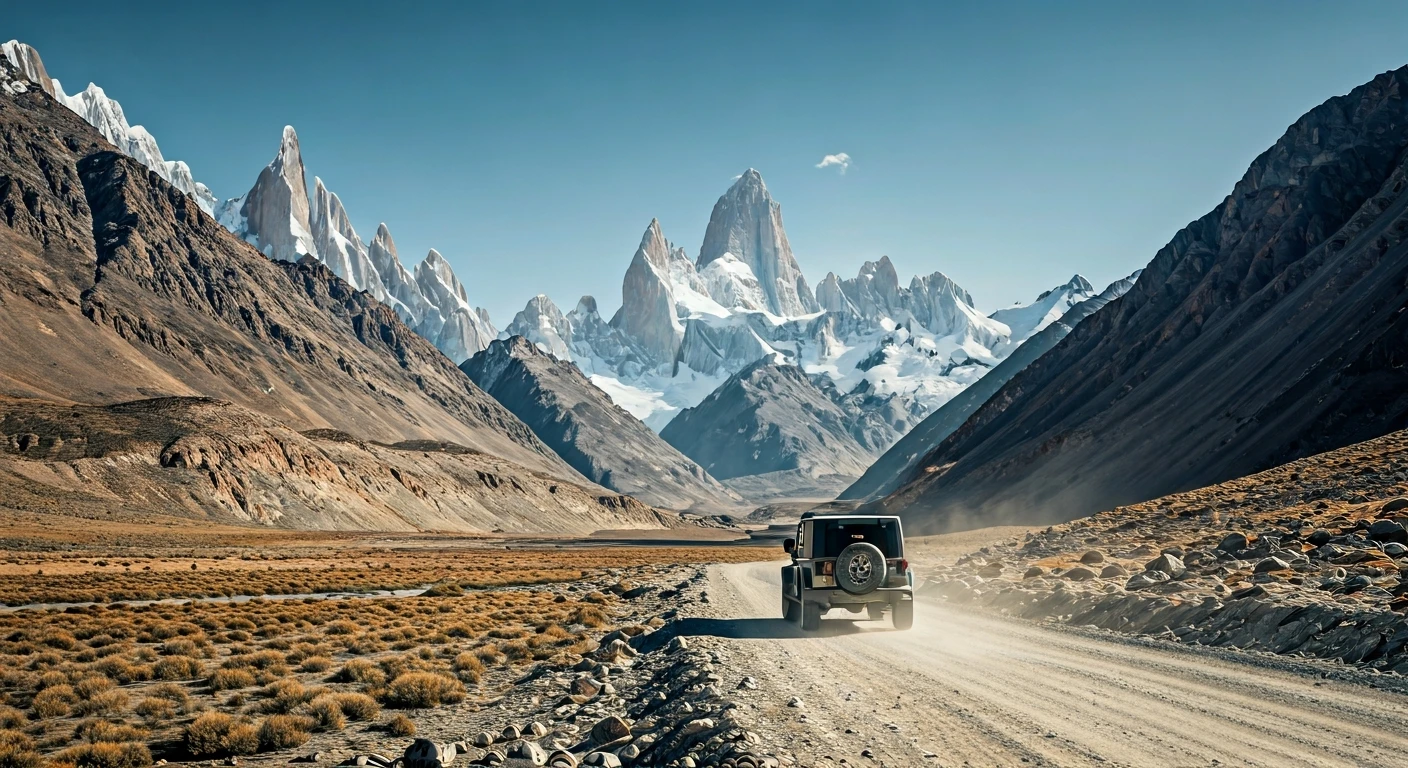
Unlike destinations where the goal is to arrive as quickly as possible, the journey *to* Spiti is an integral part of the experience. Most travelers take one of two routes: a stunning but challenging loop from Shimla, which allows for gradual acclimatization, or the more dramatic, high-altitude route from Manali over the Rohtang and Kunzum passes. Both are grueling epics of their own, filled with hairpin bends, water crossings, and endless vistas. This forced slowdown is a mental reset. It strips away the urgency of modern life and forces you into a state of presence. You’re not checking emails; you’re watching for blue sheep on a distant cliff or marveling at a glacier. This rite of passage builds a sense of camaraderie among travelers who meet along the way, bonded by the shared challenge of just getting there.
The Human Connection
Beyond the landscapes, Spiti's true magic lies in its culture and its people. This is one of the last places in India where a distinct form of Tibetan Buddhism thrives in its original context. Staying in a local homestay is not just an accommodation choice; it’s an invitation into a different way of life. You’ll share butter tea with a family in their kitchen, eat hearty meals of thukpa (noodle soup) and momos, and listen to stories that feel a world away from home. The hospitality is warm and genuine, born from a life of community and resilience in a harsh environment. In a world increasingly defined by transactional tourism, these moments of simple, human connection feel radical. It’s a cultural immersion that you can’t buy or book; you can only experience it.
An Antidote to Overtourism
The phrase “cool kids” isn’t about age or fashion; it’s about a mindset. It describes a generation of travelers disillusioned with the crowds, environmental impact, and cultural erosion that plague so many popular destinations. While other parts of the Himalayas have seen an explosion of commercialization, Spiti remains protected by its own inaccessibility. Choosing Spiti is a conscious decision to trade convenience for authenticity. It's a vote for sustainable, low-impact travel that respects local culture and the natural environment. It’s for people who understand that the most memorable souvenirs aren't things you buy, but the resilience you discover in yourself and the connections you forge along the way.