






Rethink Your Itinerary's Pace
The biggest mistake travelers make during the rainy season is packing their schedule too tightly. Monsoon weather demands a slower, more deliberate pace. Rain can cause unexpected delays—a temporarily flooded road, a delayed ferry, or a flight grounded
by low visibility. Instead of viewing this as a disruption, build it into your plan. Think of your itinerary less as a checklist and more as a flexible framework. Scheduling buffer days between major locations is not a luxury; it’s a necessity. This extra day in a city might be spent exploring a local market under an awning, enjoying a long lunch while the rain passes, or discovering a museum you would have otherwise skipped. This approach transforms potential stress into an opportunity for spontaneous discovery, which is often where the best travel memories are made.
Prioritize Ground Over Air
While short-haul flights seem efficient for crossing countries like Thailand or Vietnam, they're often the first casualty of severe weather. Monsoon clouds can ground planes for hours, and ferries are notoriously prone to cancellation on high seas. Your most reliable allies during this season are trains and cars. Trains often run on schedules that are less impacted by heavy rain and offer a scenic, comfortable way to watch the drenched landscape roll by. They connect major hubs in countries like India and Vietnam for a reason. Road travel, whether by regional bus or private car, also offers a degree of certainty and control that air travel simply cannot provide during this unpredictable season.
Hire a Driver, Not Just a Car
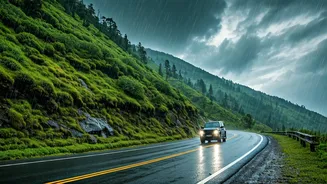
In many monsoon-prone regions, renting a car and self-driving can be a harrowing experience. Unfamiliar roads, sudden downpours reducing visibility to near zero, and the risk of flash floods are serious hazards. A far better and safer option is hiring a car with a local driver, which is more affordable than you might think in many parts of the world. A local driver is more than just a chauffeur; they are a navigator, translator, and on-the-ground expert. They know the alternate routes to bypass a flooded section of road, understand the real-time weather patterns, and can suggest a great place for lunch when your original plan gets rained out. They provide a layer of security and logistical flexibility that is invaluable.
Leverage Technology to Your Advantage
Your smartphone is a powerful tool for navigating monsoon travel. Before you go, download reliable local weather apps, which often provide more accurate, hyperlocal forecasts than the default app on your phone. In many countries, ride-hailing apps like Grab (Southeast Asia), Ola (India), or Uber are essential. They provide a transparent, fixed-price way to get around cities and even some shorter inter-city routes, eliminating the need to haggle with taxis in the pouring rain. Also, keep your airline and hotel booking apps handy. If a flight is canceled, you can often rebook directly in the app faster than waiting in a long line at the airport. Paying a little more for flexible booking options is worth its weight in gold.
Pack for Personal Mobility
Flexible transport isn't just about vehicles; it's about being personally mobile and prepared. Packing right is crucial. Quick-dry clothing is non-negotiable. A sturdy, reliable rain jacket is far better than a flimsy poncho that will tear in the wind. For footwear, forget waterproof boots that will fill with water and never dry; opt for waterproof sandals with good grip or a second pair of sneakers you can alternate. Protect your electronics with dry bags or even simple Ziploc bags. Having your essentials protected and staying relatively comfortable means you’re more likely to venture out and embrace a drizzly afternoon rather than feeling stuck in your hotel room.