







The Sterile Comfort of the Buffet
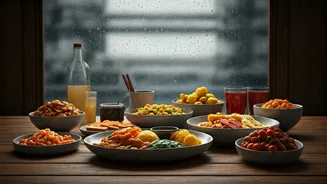
Let’s be honest: the appeal of the hotel buffet is powerful, especially when the weather turns. It represents safety, variety, and convenience. There’s no need to brave the downpour, haggle with a taxi driver, or decipher a foreign menu. Inside is a pristine,
air-conditioned world of stainless-steel chafing dishes offering a globalized greatest hits album: limp pasta, anonymous grilled fish, a sad salad bar, and a few token local dishes toned down for the international palate. It’s food as a transaction—fuel without friction. You can fill your plate with a Danish, a spring roll, and a scoop of curry, and no one will bat an eye. But this culinary neutrality comes at a cost. It’s a bubble, designed to insulate you from the very place you traveled so far to experience. Every hotel buffet, from Mumbai to Bangkok, starts to feel hauntingly the same, a comfortable prison of blandness.
A Symphony for the Senses
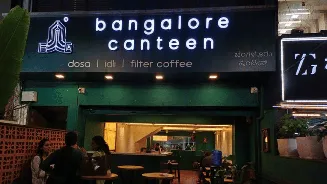
Now, step outside. Push through the hotel’s revolving door and into the humid, fragrant air. The monsoon isn’t just weather; it’s an atmosphere. The streets are slick and reflective, amplifying the neon signs of shopfronts. The smell of wet earth mixes with the intoxicating aroma of sizzling garlic, roasting spices, and sweet, milky tea. This is where the real culinary story unfolds. Find a small, bustling eatery, its windows fogged with steam, sheltering a crowd of locals who are laughing, talking, and, most importantly, eating. The soundtrack isn't the gentle clinking of hotel cutlery but the clang of a wok, the hiss of oil, and the vibrant chatter of a community coming together to share a meal. This isn't just about eating; it’s about participating. You’re no longer a spectator behind glass; you’re part of the scene.
Food That Fights the Rain
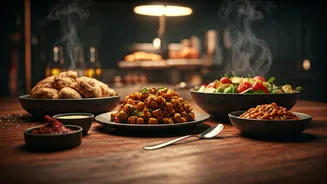
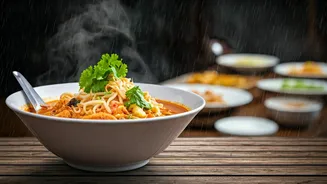
Local food during the monsoon isn't just better; it’s specifically designed for the season. The damp chill in the air creates a deep, primal craving for things that are hot, spicy, and deeply comforting. This is the logic behind the street-corner vendor expertly frying up a batch of pakoras—battered and deep-fried morsels of vegetables or cheese—to be eaten steaming hot with a tangy chutney. It’s the soul-warming embrace of a masala chai, its ginger and cardamom cutting through the dampness. It’s the rich, complex broth of a noodle soup in a Vietnamese market, or a fiery Thai curry that makes you forget the rain entirely. These dishes are the culinary antidote to the gloom. The hotel buffet, with its room-temperature salads and generic pastries, simply cannot compete with food that has evolved over generations to be the perfect companion to a rainy day.
How to Find Your Perfect Stormy Meal
Venturing out is less daunting than it seems. The first rule is to follow the locals. A long line or a crowded room is the best possible advertisement. Don’t be intimidated by a lack of English menus; pointing and smiling is a universal language. Look for places with open kitchens where you can see the food being cooked fresh. High turnover is your friend—it means the ingredients are fresh and the food is popular for a reason. Be smart, of course. Stick to cooked foods and bottled water if you have a sensitive stomach. But let your senses, not your fears, be your guide. Ask the owner for their recommendation. The worst that can happen is you try something new. The best that can happen is you discover your new favorite dish in a place you’ll never forget.