








More Than Just a Vacation
We’ve all been there: the frantic rush to see every landmark, the decision fatigue of planning every meal, the subtle pressure to have the 'perfect' trip. Traditional vacations can often add a layer of stress, leaving us more depleted than when we left.
Enter the concept of 'travel therapy.' This isn't about packing your itinerary; it's about unpacking your mind. It’s a deliberate shift from travel as a consumer activity—collecting sights and experiences—to travel as a restorative practice. The goal isn't to see the most, but to feel the most: rested, centered, and reconnected with yourself. It’s the difference between a checklist and a deep breath. Instead of racing through a city, you might spend an afternoon simply sitting in a park, journaling in a café, or taking a slow, meditative walk through a quiet neighborhood.
The 'Bloom' Blueprint
Companies like Bloom Getaways have built their entire model on this principle, offering a blueprint for what this kind of travel looks like in practice. By curating trips for small groups of women, they remove the primary source of travel stress: the planning. Guests arrive with their bags packed, and that’s it. There are no schedules to manage or restaurants to research. The itinerary is designed around a feeling rather than a list of attractions. Activities might include a sound bath, a nature hike, a pottery class, or a chef-prepared meal in a beautiful setting. The structure provides a sense of safety and community, allowing for connection if you want it, but also granting full permission to retreat and be alone. It exemplifies a core tenet of travel therapy: creating an environment where the only thing you’re responsible for is your own well-being.
The Psychology of Restorative Travel
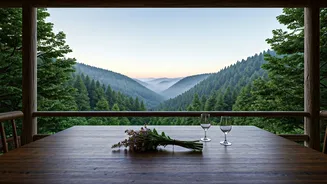
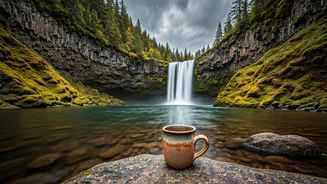
The feeling of rejuvenation from this type of travel isn't just a vibe; it's backed by psychological principles. Breaking from our daily routines is crucial for shifting our perspective and fostering creativity. Exposure to new environments and 'soft fascination'—the effortless attention captured by things like a sunset or a forest—is proven to reduce mental fatigue and lower cortisol levels. By outsourcing the logistical and mental labor of planning, your brain is freed from its typical problem-solving mode and can enter a more reflective state. Furthermore, the intentional inclusion of mindfulness practices, even simple ones like guided breathing or journaling prompts, helps anchor you in the present moment, counteracting the anxiety that comes from worrying about the past or future. It’s a strategic combination of novelty, nature, and mindfulness that creates the conditions for genuine mental rest.
Crafting Your Own 'Travel Therapy'
You don’t need to book a curated retreat to reap the benefits. The principles of travel therapy can be applied to any trip, even a weekend away in a nearby town. The key is intention. Before you go, ask yourself what you truly need. Is it rest? Inspiration? Solitude? Connection? Let the answer guide your choices. Instead of over-scheduling, build empty space into your days—time for spontaneous discoveries or simply doing nothing. Make a conscious choice to disconnect, putting your phone on 'do not disturb' for a few hours each day. Choose one or two activities that will genuinely nourish you, whether it’s visiting an art museum, taking a cooking class, or finding a quiet trail to walk. The most therapeutic journey is often the one that honors your needs instead of just your bucket list.