



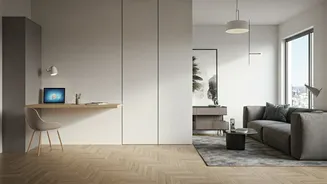
The Home as a Sanctuary
In the bustling, high-energy cities of Mumbai, Delhi, and Bangalore, the home is increasingly seen as a sanctuary—a deliberate retreat from the sensory overload of the outside world. This isn't just a design trend; it's a wellness movement. Homeowners
are asking architects and designers for spaces that promote mental clarity and relaxation. The goal is to walk through the door and feel one's shoulders physically drop. This shift is driven by a generation of globally-aware young professionals who are prioritizing mental health and work-life balance. Their homes are becoming the primary tool for achieving it, with every design choice curated to reduce stress and foster a sense of tranquility.
From Ornate to Organic
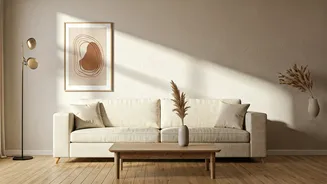
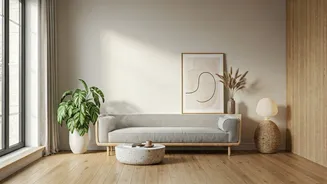
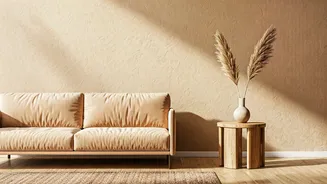
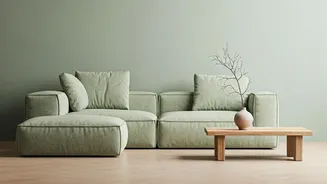
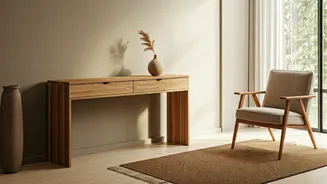
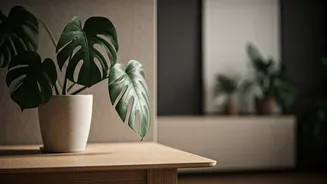
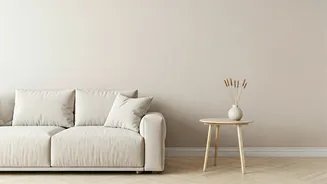
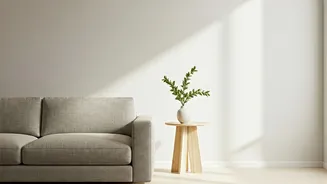
The aesthetic that achieves this calm is a significant departure from the past. Where maximalism once reigned, a thoughtful minimalism now prevails. Heavy, dark, intricately carved woods are being replaced with light-toned, sustainable materials like bamboo, rattan, and pale oak. The focus is on natural textures, clean lines, and an abundance of natural light. Walls are painted in muted, earthy palettes—shades of white, beige, sage green, and soft gray—that create a soothing backdrop. This style is often compared to global trends like Japandi (a hybrid of Japanese and Scandinavian design), but it’s more of an adaptation than a direct copy. It’s minimalism with warmth, soul, and a distinctively Indian touch.
Creating a Sense of Flow
The concept of “flow” is central to this new philosophy. Physically, this translates into more open-plan living. In new builds and renovations, non-essential walls are coming down to create fluid, multi-functional spaces where a family can cook, work, and relax in connection with one another. The traditional separation of the kitchen, living, and dining rooms is giving way to a single, harmonious area that encourages interaction and movement. But flow is also about energy. It’s about decluttering and embracing the idea that empty space is not wasted space—it’s breathing room. Furniture is chosen for its function and form, not just for show, ensuring that rooms feel spacious, airy, and easy to navigate.
A Modern Indian Identity
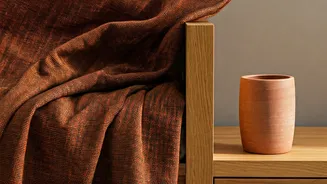
Crucially, this embrace of calm and minimalism is not a rejection of Indian heritage. Instead, it’s a reinterpretation of it for the 21st century. The new Indian home seamlessly integrates tradition in subtle, sophisticated ways. A centuries-old urli (a decorative bowl) might be the room’s single, striking centerpiece. Hand-woven textiles from local artisans might provide a splash of texture on a neutral sofa. A modern, minimalist 'puja' or prayer nook might be carved out with elegant latticework. It’s about honoring craftsmanship and cultural roots without being weighed down by them. This is a design language that feels both globally current and authentically local, reflecting a modern Indian identity that is confident, worldly, and secure in its heritage.