

A Colonial Past, A Himalayan Present
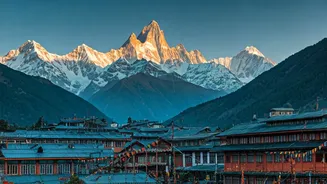
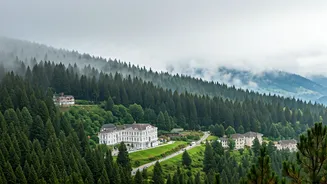
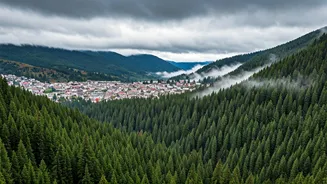
First, a bit of context for the American traveler: Shimla isn't just another mountain town. Perched high in the Himalayas, it was the official summer capital of British India. For decades, the entire government would decamp from the sweltering heat of Delhi
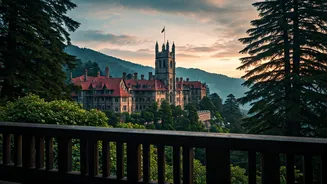
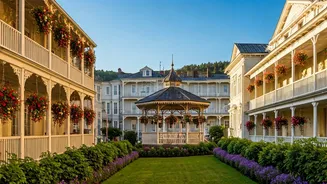
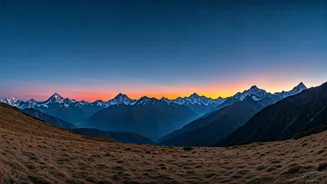
to this cool, pine-scented refuge. The result is a city unlike any other in India—a fascinating blend of grand Victorian buildings, a Gothic-style church, and a Tudor-esque library, all set against a backdrop of breathtaking snow-capped peaks. The Shimla Summer Festival, typically held in the first week of June, doesn't just take place in this setting; it brings this unique history to life, layering vibrant Himachali culture onto its colonial foundation. It’s this very contrast that elevates it from a local fair to a true cultural pilgrimage.
The Heartbeat of the Festival: The Ridge
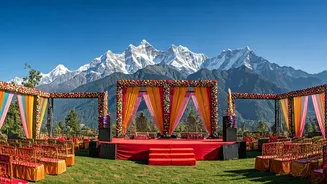
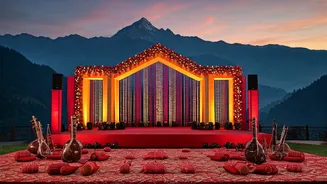
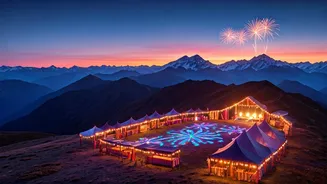
The festival's epicenter is The Ridge, a sprawling open space in the heart of Shimla that offers panoramic views of the surrounding mountains. During the festival, this area transforms from a scenic promenade into a bustling cultural hub. An enormous open-air stage becomes the main attraction, but the energy is everywhere. Locals dressed in their finest, alongside travelers from across the globe, gather to soak in the atmosphere. Unlike a ticketed, enclosed event, the festival’s heart is accessible to all, creating a genuine sense of community. It’s here that you’ll witness the seamless intermingling of generations and cultures, all enjoying the long, pleasant evenings of early summer.
A Symphony of Sight and Sound
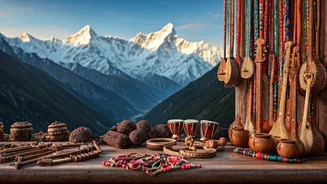
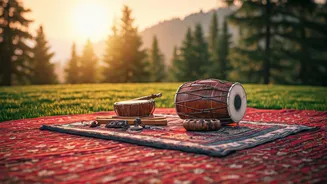
For the culture traveler, the performances are the main draw. The festival is a showcase for the rich artistic traditions of Himachal Pradesh. You can expect to see troupes performing ‘Nati,’ the region’s traditional folk dance, a slow, enchanting dance performed in circles by dancers in ornate, colorful costumes. The air is filled with the sounds of traditional instruments, a world away from a generic pop concert. While well-known singers from across India often headline the evening shows, the true magic lies in the daytime folk performances. These are not polished for tourists but are an authentic expression of cultural pride, offering a window into the soul of the Himalayan people.
Crafts, Cuisine, and Community
The festival experience extends far beyond the main stage. The Ridge and adjacent Mall Road, a pedestrian-only street lined with colonial-era storefronts, are filled with stalls that appeal to every sense. Local artisans sell intricately carved wooden items, beautiful hand-woven shawls, and traditional ‘Kinnauri’ caps. It’s an opportunity to buy directly from the makers and learn the stories behind their crafts. Food stalls offer a taste of Himachali cuisine, which is often difficult to find in standard Indian restaurants. Look for dishes like ‘siddu’ (a steamed bread stuffed with filling) or ‘dham’ (a traditional multi-course meal). The festival also often includes events like flower shows, photography exhibitions, and even a dog show, adding to the charming and slightly quirky local flavor.
Beyond the Main Stage
A true culture traveler knows that the destination is as important as the event. The festival’s timing is the perfect excuse to explore Shimla itself. You can walk from The Ridge to the iconic Christ Church, with its beautiful stained-glass windows. Take a stroll down the historic Mall Road, which feels like stepping into a different century. For a deeper historical dive, visit the Viceregal Lodge, the former residence of the British Viceroy, and wander through its magnificent halls and gardens. The festival acts as a vibrant soundtrack to your exploration, allowing you to experience the city when it’s at its most lively and celebratory.