

The End of the Bucket List Sprint
For years, the gold standard of a successful vacation was a full camera roll and a checked-off list of landmarks. Think five European cities in seven days, or a dawn-to-dusk theme park marathon. This 'optimization mindset,' borrowed from our work lives,
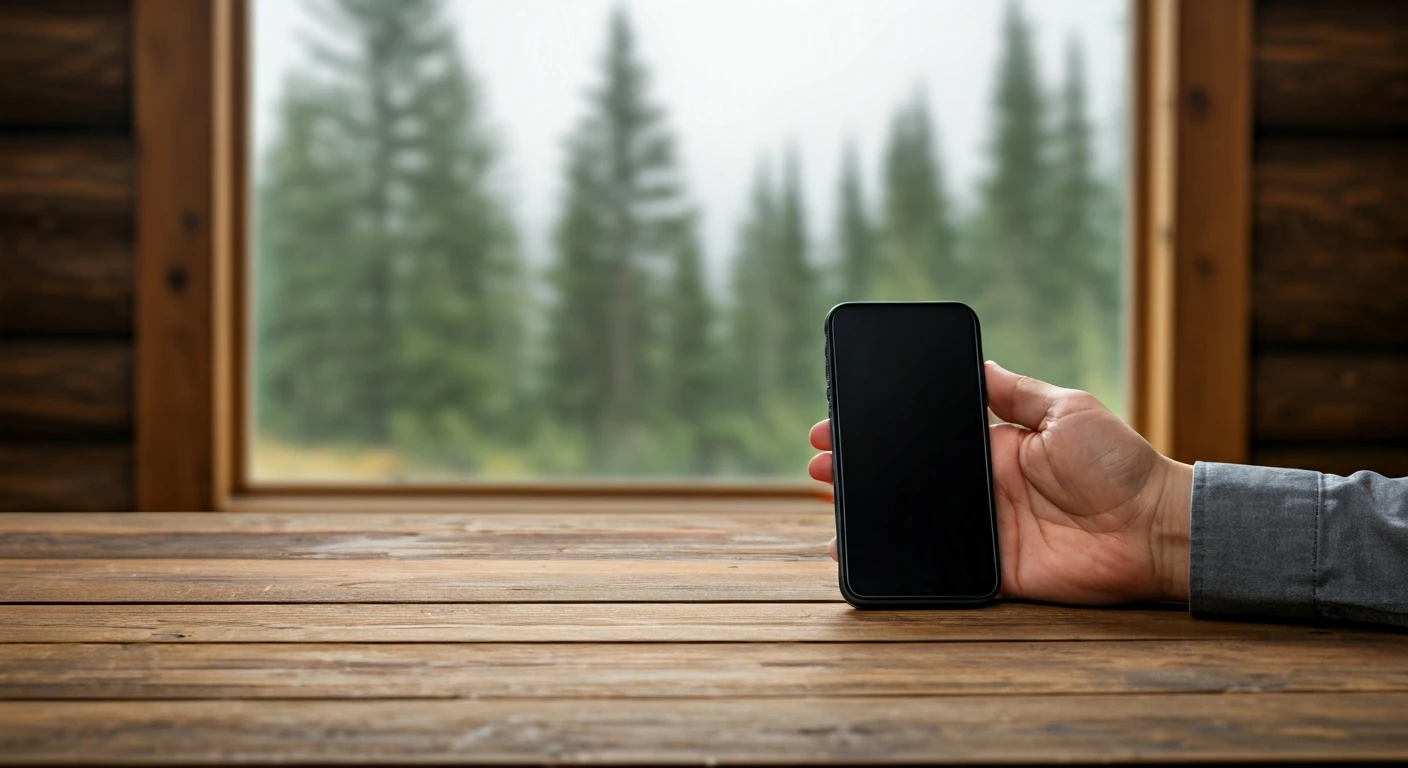
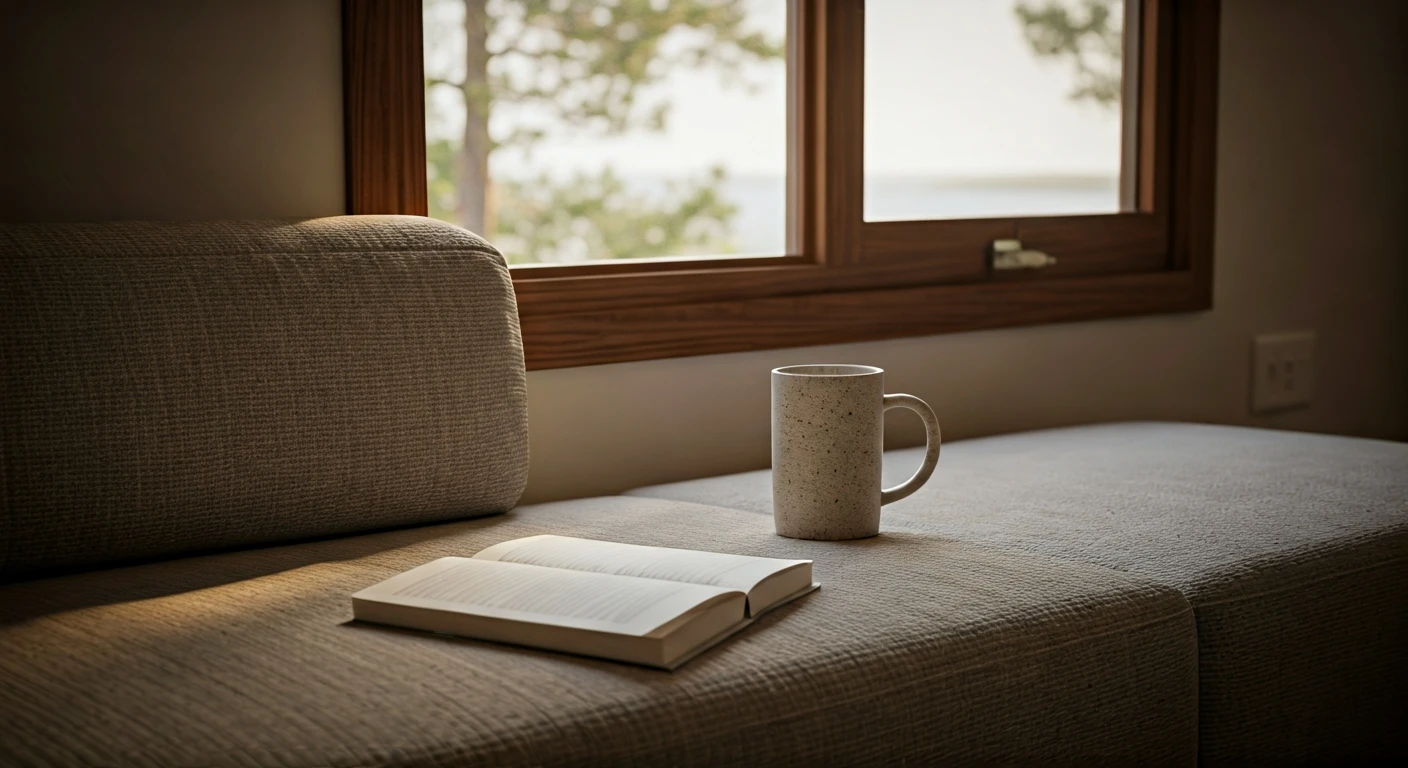
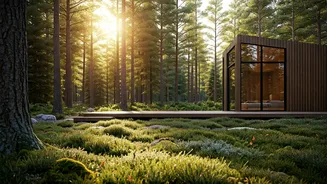
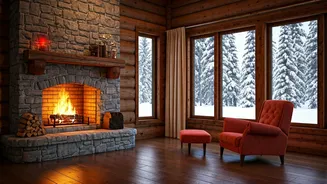
turned leisure into another high-stress project. But the tide is turning. So-called 'slow travel' or 'soft getaways' are defined not by what you do, but by what you don't do. You don't rush. You don't overschedule. You don’t treat a destination like a to-do list. Instead, the focus is on immersion and connection. It’s renting a cabin and spending the week reading by a lake, rather than rushing between scenic overlooks. It’s choosing one neighborhood in a city and getting to know its cafes, parks, and rhythms, rather than trying to see every museum. This approach trades the frantic pursuit of 'doing it all' for the quiet satisfaction of truly being somewhere.
A Cure for Cultural Burnout
This shift isn't happening in a vacuum. It’s a direct reaction to a culture of pervasive burnout. The post-pandemic world has left many Americans reevaluating their relationship with work, stress, and productivity. The 'hustle culture' that dominated the 2010s is facing a powerful counter-current of people prioritizing mental health and genuine rest. A vacation that leaves you feeling more exhausted than when you started is no longer seen as a badge of honor; it’s seen as a design flaw.
Travel experts note a tangible change in booking patterns. Instead of multi-stop flights and a new hotel every night, more travelers are booking longer stays in a single location. There’s a rising interest in vacation rentals with full kitchens, indicating a desire to settle in and live like a local, even for a short time. This isn’t laziness; it’s a deliberate strategy to disconnect from the relentless pace of modern life and allow for the serendipity that a packed schedule eliminates.
What Slow Travel Looks Like
In practice, a 'soft getaway' can take many forms, and it doesn’t necessarily require a passport or a big budget. For some, it’s a 'near-cation'—exploring a state park or a charming small town just a few hours' drive from home. The goal is to minimize travel stress and maximize relaxation time. For others, it’s about depth over breadth. This could mean a week-long cooking class in New Mexico, a yoga retreat in the Catskills, or simply renting a beach house with no other plan than to follow the tides.
The key ingredient is permission. It's giving yourself permission to wake up without an alarm, to spend an entire afternoon reading a novel in a hammock, or to skip a famous monument in favor of a long, leisurely lunch. It rejects the travel-related FOMO (Fear Of Missing Out) and instead embraces JOMO—the Joy of Missing Out on the frantic race in favor of a more personal and restorative experience.
The New Souvenir: A Sense of Calm
While the iconic, whirlwind vacation will never completely disappear, the rise of the slower, softer getaway signals a maturing of our travel culture. It reflects a collective understanding that the true purpose of a vacation isn't to collect experiences to broadcast on social media, but to recharge our minds and souls. It’s a move away from performative travel toward personal restoration.
As this trend grows, the travel industry is adapting with offerings that cater to this desire for peace and authenticity. We're seeing more 'unplugged' retreats, wellness-focused properties, and marketing that emphasizes relaxation over adventure. Ultimately, this movement suggests that the most valuable souvenir you can bring home from a trip isn't a t-shirt or a snow globe, but a genuine sense of calm that lingers long after you've unpacked.