


Trap 1: Ignoring Your Tires
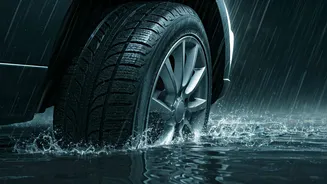
Thinking your tires are “good enough” is the single biggest mistake you can make when the roads are wet. During a downpour, the grooves in your tires are critical for channeling water away, allowing the rubber to maintain contact with the asphalt. When
those grooves are too shallow, your car can hydroplane—essentially skiing on a thin layer of water with no steering or braking control. Before the rains hit, check your tire tread. The classic penny test works: insert a penny into the tread with Lincoln's head upside down. If you can see all of his head, your tires are worn out and need replacing. Also, check your tire pressure. Over- or under-inflated tires can have a smaller contact patch with the road, increasing your risk of losing grip in a storm.
Trap 2: Underestimating Puddles
That seemingly shallow puddle covering the road could be hiding a deep, car-destroying pothole or, worse, be a sign of significant flooding. The mantra “Turn Around, Don't Drown” isn’t just for your personal safety; it’s for your car’s survival. Driving through deep water, even for a few seconds, can have catastrophic consequences. If water is sucked into your engine’s air intake, it can cause hydrolock—a condition where the pistons try to compress water instead of air, leading to bent rods, cracked blocks, and a completely destroyed engine. Furthermore, water can short out sensitive electronics that control everything from your transmission to your airbags, resulting in thousands of dollars in repairs. If you can't see the road surface, don’t risk it. Find another route.
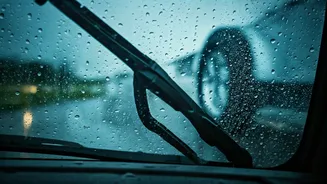
Trap 3: Neglecting Your Wipers and Windshield
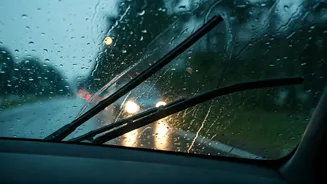
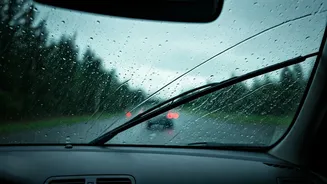
Visibility is paramount in a storm, yet many drivers wait until they’re in the middle of a torrential downpour to discover their wiper blades are shot. Old, cracked, or hardened blades don't clear water effectively; they smear it, creating a dangerous glare, especially at night. Replace your wiper blades at the start of the season. It’s an inexpensive and easy fix that makes a world of difference. While you're at it, top off your windshield washer fluid with a formula designed to repel rain. For an extra layer of safety, consider applying a water-repellent treatment like Rain-X to your windshield. It creates a hydrophobic surface that causes water to bead up and roll right off, dramatically improving visibility at speed.
Trap 4: Forgetting About Your Brakes
Just like your tires, your brakes behave differently in wet conditions. After driving through a puddle or in heavy rain, a layer of water can form between the brake pads and rotors, temporarily reducing your stopping power. This is a trap because your car won’t brake as effectively the first time you hit the pedal after it’s been soaked. Experienced drivers learn to gently “dry” their brakes by lightly applying them for a few seconds after clearing a patch of water. This helps squeegee the water off and restores normal function. More importantly, have your brakes inspected regularly. Worn pads or low brake fluid are dangerous in any condition, but their weaknesses are amplified when the roads are slick.
Trap 5: Thinking Your A/C is Only for Cool Air
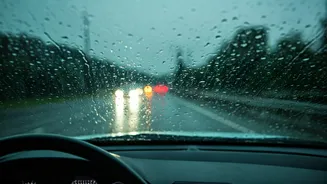
As the rain falls and humidity climbs, you’ll likely notice your windshield fogging up from the inside. Many people mistakenly blast the heat, which can make things worse. The most effective tool for defogging your interior windows is your air conditioning system. The A/C acts as a dehumidifier, pulling moisture out of the cabin air far more effectively than heat alone. To clear a foggy windshield quickly, turn your defroster on, switch the A/C on, and adjust the temperature to a comfortable level. This combination will direct dry air onto the glass, clearing your view in seconds. If your A/C isn’t blowing cold, it’s also not dehumidifying properly, so get it serviced before you need it most.
Trap 6: Skipping the Post-Storm Wash
Your car made it through the storm, so it’s all good, right? Not quite. Monsoon rains can be acidic, and the mud and grime kicked up from the road can be corrosive. Letting that mess sit on your car’s paint can eat away at the clear coat, leading to rust and permanent damage. The undercarriage is even more vulnerable, as mud can trap moisture against metal components, accelerating corrosion of the frame, exhaust system, and brake lines. After a significant storm, give your car a thorough wash, paying special attention to the underbody. It’s not just about aesthetics; it’s about preserving the long-term health and value of your vehicle.