




The Rise of the Monsoon Escape
For years, the Indian monsoon season was considered the off-season for tourism, a time when relentless downpours kept travelers away. But in the age of flexible work, what was once a bug is now a feature. A growing number of professionals, both Indian and
international, are flocking to the Himalayan state of Himachal Pradesh not in spite of the rain, but because of it. They’re seeking a 'workation'—a portmanteau of work and vacation—defined by a slower, more deliberate pace. Instead of squeezing work calls between sightseeing, the work itself becomes part of a tranquil routine, punctuated by misty mountain views, hikes through lush green valleys, and the meditative rhythm of rainfall. This isn’t about maximizing productivity through hustle; it’s about finding focus through peace.
Where Exactly Is Himachal?
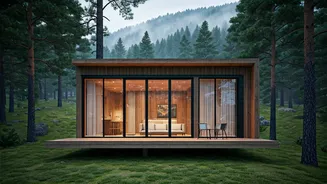
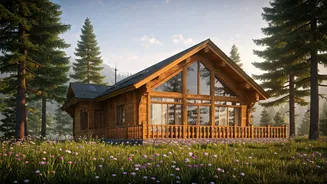
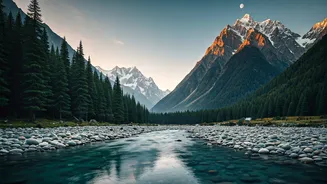
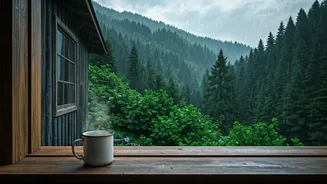
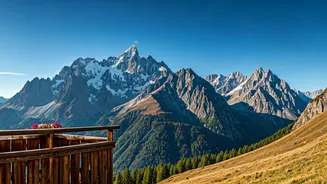
For many Americans, Himachal Pradesh might be a new name. Nestled in the Western Himalayas, this northern Indian state is often called 'Devbhumi,' or 'Land of the Gods.' It's home to dramatic landscapes, from the Dalai Lama's residence in Dharamshala to the bustling mountain towns of Shimla and Manali and the quieter, backpacker-friendly villages of the Parvati Valley. Traditionally a destination for trekkers and spiritual seekers, the region’s infrastructure of cozy guesthouses and cottages, coupled with improving internet connectivity, has made it an ideal incubator for this new travel trend. The appeal is a world away from a sterile co-working space: think wooden cabins, balconies overlooking pine forests, and home-cooked meals.
Why the Rainy Season?
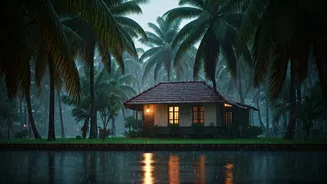
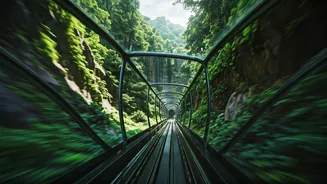
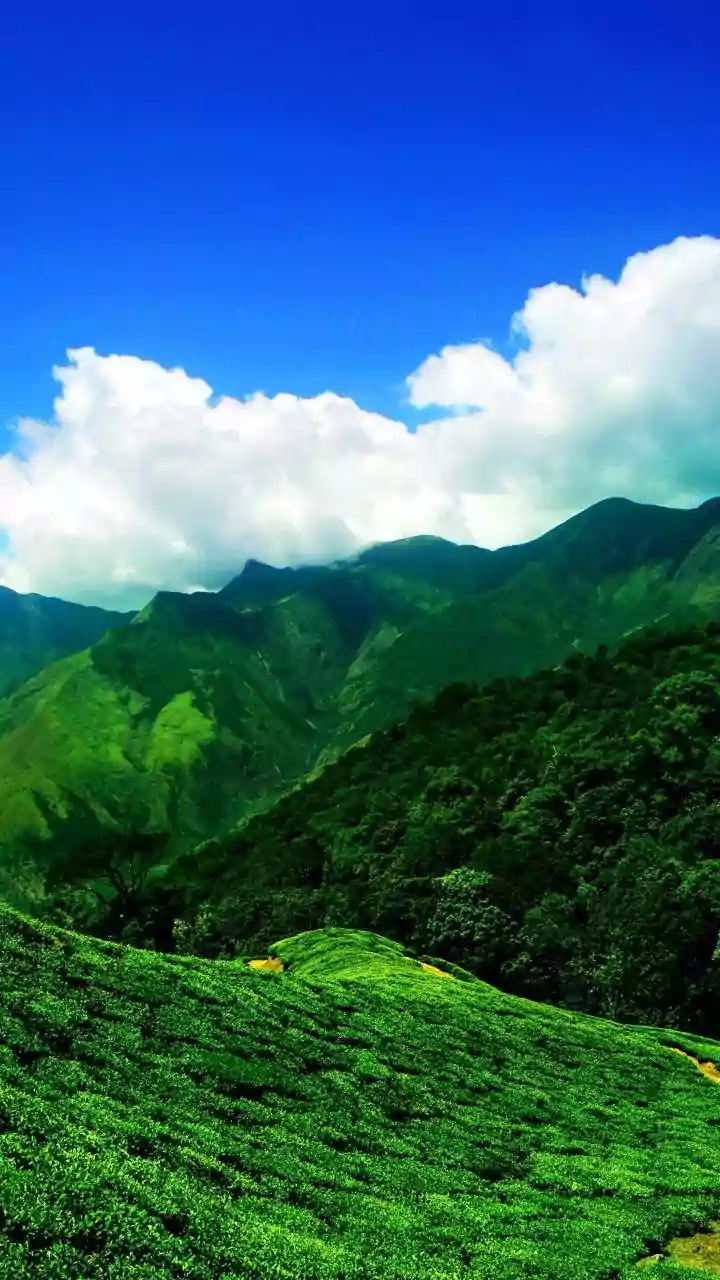
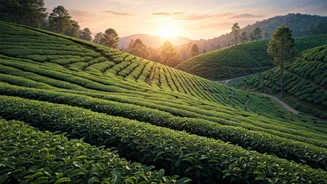
The monsoon, which typically runs from July through September, transforms the region. The landscape becomes intensely green, waterfalls cascade down hillsides, and the clouds hang low in the valleys, creating a mystical, almost ethereal atmosphere. For the workationer, this period offers distinct advantages. The crowds of peak season are gone, creating a sense of quiet solitude. Travel and accommodation prices often dip, making longer stays more affordable. Most importantly, the weather encourages a cozy, indoor-focused lifestyle. The steady rain becomes a natural soundtrack for deep work, reading, and writing. Instead of feeling pressure to be out exploring, visitors feel invited to slow down, reflect, and connect with their immediate surroundings—and their work—on a deeper level.
The Cottage Industry Responds
Local entrepreneurs and cottage owners have been quick to notice the shift. While large hotels once struggled during the monsoon, smaller, independent properties are now seeing a significant uptick in bookings for long-term stays. Many are adapting their offerings to cater to this new clientele, ensuring reliable Wi-Fi, comfortable workspaces, and amenities like in-room kitchens or tiffin services delivering hot, local food. Social media is filled with idyllic images of laptops perched on wooden tables with a backdrop of rain-streaked windows and verdant hills. Homestay owners report guests booking for weeks, even months at a time, blending their professional lives seamlessly into the fabric of mountain life. It represents a sustainable, low-impact form of tourism that benefits smaller local businesses directly.