



Why Early Summer is the Sweet Spot
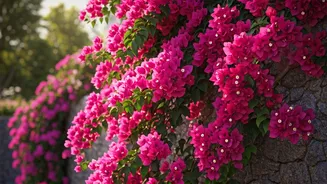
For bougainvillea owners in warm climates like California, Florida, and Arizona, the end of the first big spring bloom signals a crucial turning point. This typically happens around late May or June. After putting on a spectacular show, the plant’s energy
shifts from flowering to vigorous vegetative growth. If left unchecked, this is when it sends out the long, thorny, fast-growing canes that give it a reputation for being unruly. Pruning at this specific time does two things: it intercepts that wild growth spurt and redirects the plant’s energy back into producing more flower bracts. Think of it as a crucial conversation with your plant, telling it, “Less green, more color.” A well-timed trim in early summer sets the stage for repeated flushes of blooms through the rest of the season, ensuring your garden remains a vibrant spectacle, not a tangled mess.
The “Wild” Problem, Explained
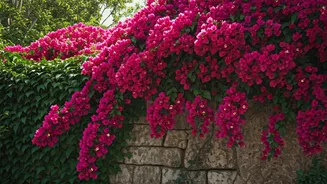
What does it actually mean for a bougainvillea to “go wild”? It’s not just about getting a little bigger. An unpruned plant will begin to produce long, arching shoots, sometimes called water sprouts or runners, that can grow several feet in a matter of weeks. These canes are often armed with formidable thorns and produce very few, if any, of the colorful bracts we cherish. Instead of a compact, flower-covered shrub or vine, you get a sprawling, leggy creature that scrambles over walls, roofs, and neighboring plants with abandon. Over time, the plant becomes woody and dense at its core, with all the foliage and flowers concentrated at the far ends of these long, unruly limbs. The glorious, cascading effect is lost, replaced by a chaotic thicket that’s difficult to manage and far less beautiful.
Your Simple Pruning Toolkit
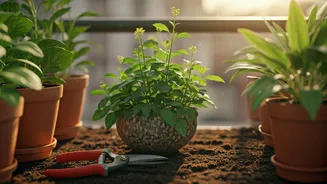
You don't need a professional landscaping arsenal to tackle this job, but the right tools make it safer and more effective. First and foremost are thick, durable gloves, preferably leather gauntlets that protect your forearms. Bougainvillea thorns are sharp and can cause painful scratches. Next, you’ll need a pair of clean, sharp bypass pruners. Bypass pruners make a clean cut like scissors, which is healthier for the plant than anvil-style pruners that can crush stems. For any canes thicker than your thumb, a pair of loppers will provide the necessary leverage. Finally, keep a small bottle of rubbing alcohol or a bleach solution handy to wipe your blades between cuts, especially if you’re moving between plants. This simple step prevents the spread of any potential diseases.
The Art of the Cut: A Simple Guide
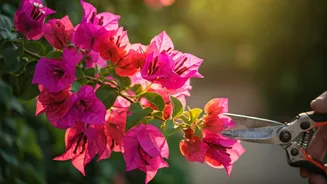
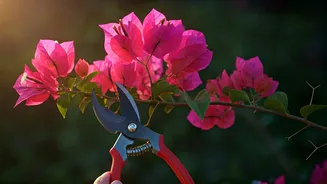
The goal of June pruning is not to give the plant a harsh buzzcut, but to selectively shape it and encourage blooming. Focus on these key cuts: 1. **Pinching for Flowers:** After a bloom cycle, look at the ends of the branches. You’ll see the faded remnants of the last flowers. Simply snip or pinch off these ends, cutting back about 6 to 8 inches into the stem. This act, known as “tipping” or “pinching,” encourages the plant to branch out. Since bougainvillea blooms on new wood, more branches mean more potential for flowers. 2. **Structural Shaping:** Step back and look at the overall shape of your plant. Identify any of those wild, out-of-place canes that are shooting for the sky or sprawling where you don’t want them. Trace these back into the plant and cut them off at their point of origin or shorten them to a more desirable length, cutting just above a leaf node. This is about maintaining the size and form you want. 3. **General Cleanup:** While you’re there, remove any branches that are dead, look weak or diseased, or are crossing and rubbing against each other. This improves air circulation and directs the plant’s resources toward healthy, productive growth.
Common Pruning Mistakes to Avoid
Confidence is key, and avoiding a few common pitfalls will ensure your success. First, don't shear your bougainvillea like a formal hedge. This removes all the new growth tips where flowers form. Second, avoid hard pruning in summer. A major rejuvenation prune, where you cut the plant back drastically, should be reserved for the dormant winter season. Doing it now can stress the plant and sacrifice summer and fall color. Finally, don’t be too timid. Bougainvillea is a tough, vigorous plant that responds well to pruning. Making a few decisive cuts is far better than letting the plant get out of control because you were afraid to trim it.