




Redefining a Plate for 1.4 Billion People
When Americans think of Indian food, they might picture fluffy naan bread and fragrant basmati rice. But those staples, products of an agricultural revolution in the 1960s, tell only part of the story. Today, a new culinary philosophy is gaining ground,
one driven by a stark reality: climate change. “Climate-smart eating” in India isn’t about counting carbon calories or embracing lab-grown meat. It’s a grassroots and top-down effort to adapt the nation’s diet to a world of increasing drought, unpredictable monsoons, and strained water tables. At its heart, it’s a shift away from the thirsty, high-yield crops of the Green Revolution—namely rice and wheat—and a return to the hardy, nutrient-dense “superfoods” that fed the subcontinent for millennia.
The Mighty Comeback of Millets
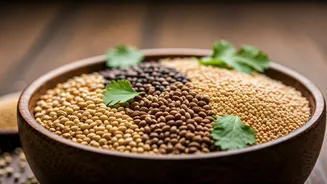
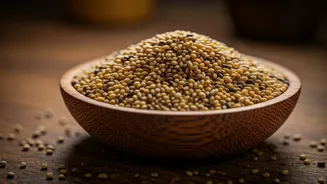
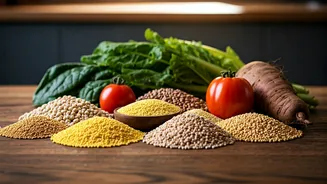
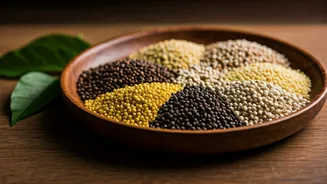
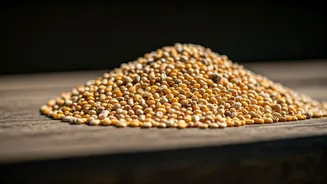
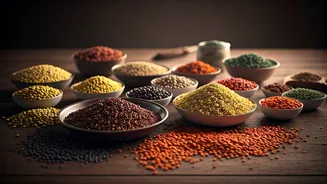
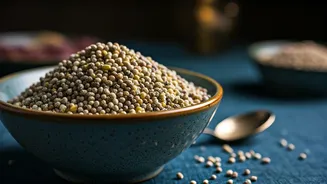
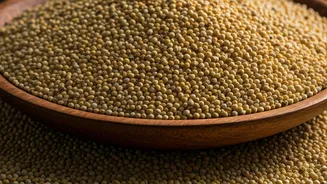
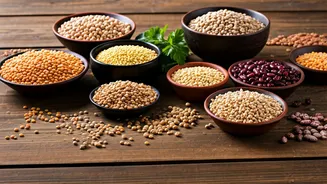
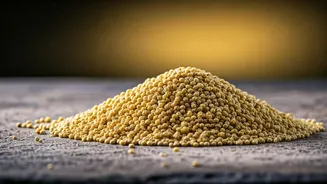
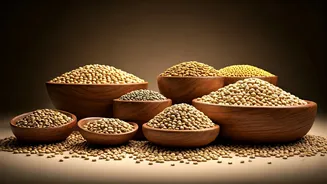
The heroes of this story are millets. If you’ve never heard of jowar (sorghum), bajra (pearl millet), or ragi (finger millet), you’re not alone. For decades, these ancient grains were dismissed as “coarse grains” or food for the poor and rural, overshadowed by the government-subsidized and culturally dominant rice and wheat. But their strengths are precisely what India needs now. Millets are true climate warriors. They thrive in arid conditions, require up to 70% less water than rice, have short growing seasons, and don't need expensive chemical fertilizers. They are also nutritional powerhouses, packed with protein, fiber, and micronutrients. Recognizing this, the Indian government has been heavily promoting them, even spearheading the UN’s declaration of 2023 as the “International Year of Millets.”
From Rural Staple to Urban Chic
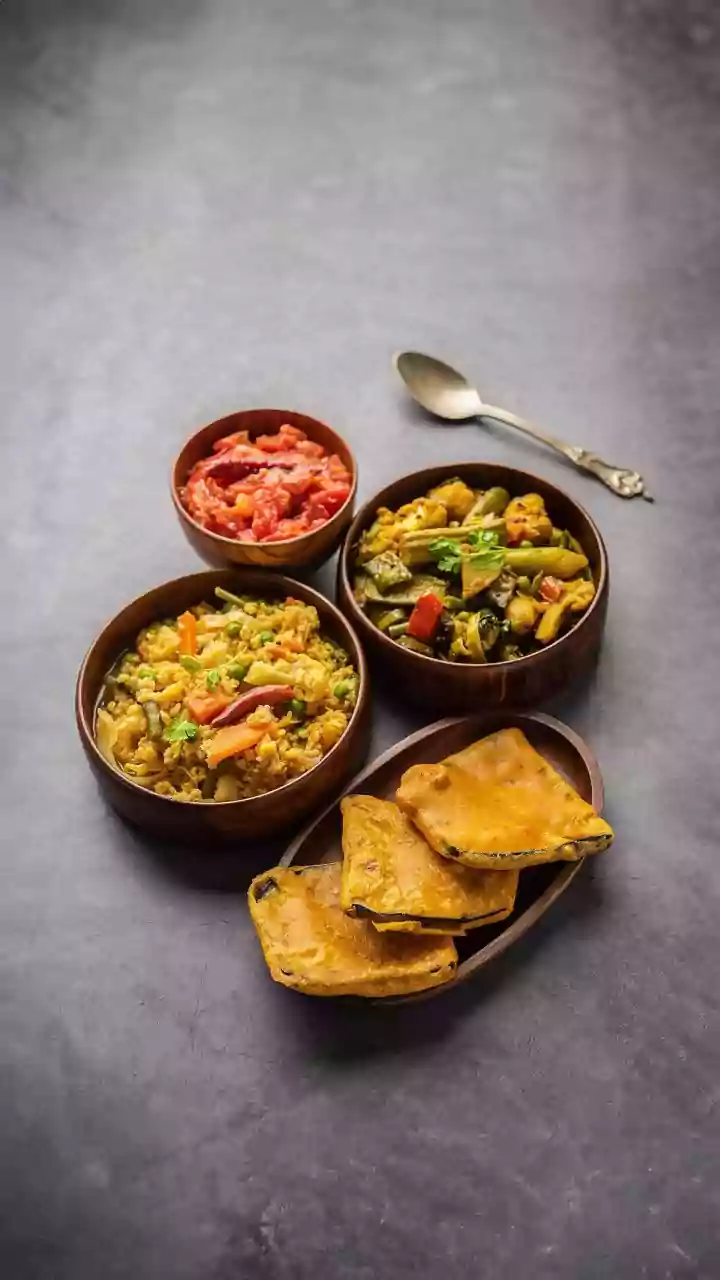
A government campaign is one thing; making a food cool is another. The success of India’s climate-smart eating trend lies in its embrace by the urban elite. Across major cities like Mumbai, Delhi, and Bengaluru, innovative chefs are reinventing millets for the modern palate. They are swapping refined flour for ragi to make dark, earthy chocolate cakes and brownies. They’re creating bajra tacos, jowar risottos, and crackers made from a blend of ancient grains. By placing these ingredients on the menus of high-end restaurants, they are stripping away the stigma and reframing them as sophisticated, healthy, and, most importantly, delicious. This culinary rebranding has a powerful trickle-down effect, influencing home cooks, food bloggers, and packaged-good companies to follow suit. Suddenly, millet-based cereals, pastas, and snacks are filling supermarket shelves.
More Than Just a Diet
This shift is about far more than just what’s for dinner. It’s a strategic move for national food security. India’s agricultural system is under immense pressure from a changing climate. By diversifying its food basket and encouraging farmers to plant less water-intensive crops, the country is building resilience from the ground up. Supporting millet cultivation also provides a more stable livelihood for smallholder farmers in dry, marginal regions who are often the most vulnerable to climate shocks. In essence, climate-smart eating connects the dots between environmental sustainability, public health, economic stability, and cultural heritage. It’s an act of reclaiming agricultural identity, proving that sometimes the most innovative solutions are the ones that were there all along.