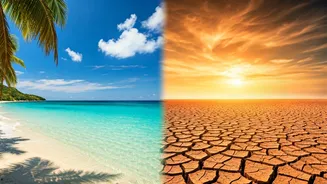







The Great Escape From Searing Heat
Imagine your city simmering under a relentless heatwave, with temperatures soaring past 110°F for days on end. For millions in India's sprawling urban centers, this isn't a hypothetical; it's the reality of summer. This intense, often debilitating heat has
become the single biggest catalyst for a massive shift in travel behavior. Rather than enduring the scorching temperatures, a new class of traveler is emerging with a simple, urgent goal: escape. They are fleeing the oppressive heat of cities like Delhi, Mumbai, and Bangalore in favor of any place that promises relief. This isn't your typical vacation planning. The decision-making process is less about seeing the Eiffel Tower and more about seeing a thermometer that reads below 80°F. Travel industry reports from Indian platforms like MakeMyTrip have shown massive spikes in searches for 'cool destinations' and 'places to escape the heat,' confirming that for many, the primary travel motivation is now climatic survival.
From Hill Stations to Foreign Shores
The destinations of choice reflect this new priority. Traditionally, Indians sought refuge from the summer heat in the country’s colonial-era 'hill stations'—mountain towns like Shimla, Manali, and Ooty nestled in the Himalayas and other ranges. These spots are now seeing unprecedented demand, with bookings surging months in advance. However, as these domestic havens become overcrowded and expensive, travelers are looking further afield. Searches and bookings for international destinations known for their milder climates have skyrocketed. European countries, particularly Switzerland, Scandinavia, and parts of the UK, have become popular 'beat the heat' getaways. Southeast Asian destinations are also being chosen strategically based on their monsoon season, when rain brings cooler temperatures and lush landscapes. The choice is driven by a weather app as much as a travel guide. If a destination promises rain, a cool breeze, and single-digit Celsius temperatures at night, it’s a contender, regardless of its typical tourist appeal.
It’s More Than Just the Temperature
While heat is the main driver, it's not the only environmental factor pushing people to pack their bags. In many Indian cities, extreme heat is often accompanied by deteriorating air quality. High levels of pollution and dust become trapped in the hot, stagnant air, creating a toxic cocktail that makes outdoor activity unbearable and even dangerous. For families, especially those with young children or elderly parents, a 'weather vacation' is also an 'air quality vacation.' They are actively seeking destinations with clean, fresh air, where they can breathe deeply without worrying about the Air Quality Index (AQI). Travel agencies have started marketing destinations based on their pristine environments, highlighting clean air and natural landscapes as luxury amenities. This holistic search for wellness—cool temperatures, clean air, and a break from urban grit—signals a deeper shift in what travelers value. It’s a move from conspicuous consumption to conspicuous well-being.
A Glimpse into the Future of Travel
The Indian travel industry has been quick to adapt to and even accelerate this trend. Booking websites now feature filters for weather conditions and highlight 'cool-cations' or 'monsoon getaways.' Marketing campaigns are built around the promise of climatic comfort. This phenomenon, born out of necessity in India, offers a fascinating glimpse into what could become a global norm. As climate change intensifies worldwide, bringing more extreme weather events like heatwaves, wildfires, and floods, the concept of 'climate escapism' is likely to grow. People in Phoenix, Madrid, or Dubai may soon find themselves planning vacations with the same priorities as someone in New Delhi. The idea of traveling not just to see something new, but to feel something different—cool air on your skin, rain on the window—is becoming a powerful force in modern tourism. The destination is no longer a place; it's a feeling.