






More Than Just a Potato Chip
For decades, the organized snack market in India was dominated by a handful of national giants, many of them subsidiaries of global players like PepsiCo, which adapted its Lay’s chips to include local flavors like “Magic Masala.” These were successful,
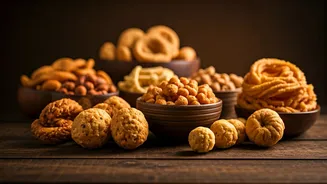
but they offered a homogenized version of a country with dozens of distinct culinary languages. A potato chip, no matter how spicy, tastes little like the complex, region-specific snacks Indians grew up eating—the savory, fried, steamed, or baked goods known collectively as *namkeen* and *farsan*. Now, that’s changing. A new wave of entrepreneurs is realizing that India’s greatest market advantage is its own diversity. Instead of trying to create one snack to please a billion people, they are bottling the specific tastes of a single region and marketing it to the entire country, banking on a powerful combination of nostalgia and discovery.
The Taste of Nostalgia
The engine of this trend is internal migration. As millions of young Indians move from their hometowns in states like Gujarat, Maharashtra, or Tamil Nadu to major metropolitan hubs like Mumbai, Bangalore, and Delhi for work and education, they leave their family kitchens behind. They crave the comfort foods they grew up with, and modern companies are stepping in to fill that void. Take, for example, *bhakarwadi*, a crispy, pinwheel-shaped snack from Maharashtra that’s a swirl of sweet, spicy, and tangy flavors. For years, it was something you bought from a local shop in Pune. Today, brands like Chitale Bandhu have turned it into a neatly packaged product available in supermarkets nationwide. Similarly, Adukale, a brand from Karnataka, sells mixes for traditional items like *nippattu* (a spicy rice cracker) and *chakkuli* (a spiral-shaped savory), marketing not just a snack but “a grandmother’s love in a packet.” It’s a powerful emotional pitch that resonates deeply.
From Local Hero to National Contender
This isn't just a story about sentiment; it's also about smart business. Scaling a regional snack used to be a logistical nightmare. Today, a combination of better packaging technology, sophisticated supply chains, and, most importantly, e-commerce and social media marketing has changed the game. A brand from a small town can build a national following online before it ever lands a major supermarket contract. Companies like Balaji Wafers, which started in Rajkot, Gujarat, became a regional powerhouse by deeply understanding the local palate for potato wafers that were spicier and different from the national norms. They perfected their local market and then used that momentum to expand, becoming a multi-million dollar company that now competes head-to-head with Lay’s in large parts of the country. They didn't copy the multinational formula; they scaled their own.
A Deliciously Fragmented Future
What this trend reveals is a growing cultural confidence. For years, “local” was often seen as old-fashioned. Today, it’s authentic and desirable. Consumers are not just buying a snack; they are buying a story and an identity. A person from Kerala living in Delhi might buy banana chips from a specific Keralite brand not just for the taste, but as a small declaration of their heritage. Meanwhile, their North Indian neighbor might buy the same packet out of culinary curiosity, eager to explore the country's flavors. This presents a fascinating challenge for global food giants trying to operate in India. How do you compete in a market that doesn't just want one flavor, but hundreds of them? The answer, it seems, is that you can’t. India’s snack culture is becoming a celebration of its own delicious fragmentation. The future isn't about finding the one snack that rules them all, but creating a marketplace where hundreds of regional champions can thrive.