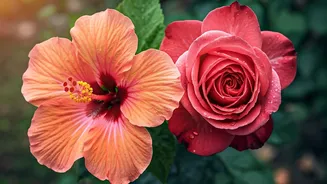


Give Your Roses a Mid-Season Boost
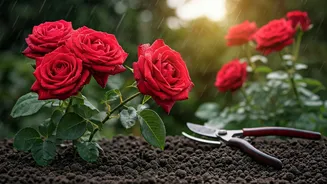
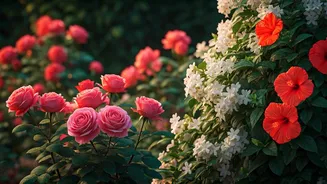
By June, your roses have likely put on their first big show. Now is the time to set them up for a spectacular second act. The most important task is deadheading—the simple act of snipping off spent blooms. Don't just pop the head off; follow the stem
down to the first set of five leaves and make a clean cut just above it. This encourages the plant to produce new flowers instead of wasting energy on seed production. Watering becomes critical as temperatures rise. Roses prefer a deep, thorough soaking once or twice a week to shallow, frequent sprinkles. Water at the base of the plant in the morning to allow foliage to dry quickly, which is your best defense against fungal diseases like black spot that thrive in humid conditions. Applying a 2-3 inch layer of organic mulch (like compost or shredded bark) will help retain soil moisture and keep the roots cool. If you fertilized in the early spring, June is often the perfect time for a second feeding. Use a balanced fertilizer formulated for roses to provide the nutrients needed for continuous blooming through the summer.
Keep Your Jasmine Lush and Fragrant
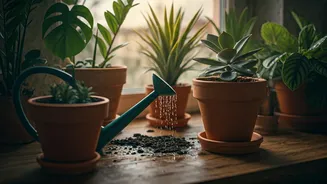
Whether you have a sprawling vine or a compact shrub, jasmine makes its presence known with its intoxicating scent. In June, the key is consistency. Jasmine plants, especially those in containers, require consistent moisture to prevent stress. The soil should be kept moist but not waterlogged. A good rule of thumb is to water when the top inch of soil feels dry to the touch. For vining varieties like star jasmine (Trachelospermum jasminoides), June is an ideal time to guide their growth. Gently weave new, flexible stems through your trellis or support structure. This not only creates a beautiful display but also improves air circulation. Pruning should be done judiciously. The best time to prune most jasmine varieties is right after they finish their main flowering cycle. A light trim in early summer can help maintain shape and encourage bushier growth. Avoid hard pruning now, as it can remove the wood that will produce next year's flowers. A balanced, liquid fertilizer applied every few weeks during the growing season will keep it vigorous and green.
Help Your Hibiscus Unleash Tropical Drama
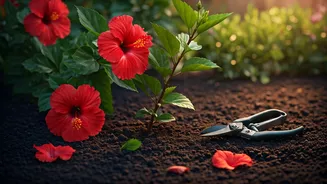
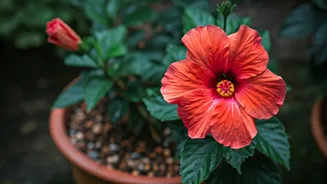
Hibiscus are the drama queens of the summer garden, and in June, they demand an audience—and a lot of water. These tropical beauties are incredibly thirsty. A potted hibiscus may need to be watered daily in hot, sunny weather. Wilting leaves in the afternoon are a clear sign it's thirsty. Provide a deep drenching until water runs out the bottom of the pot, but don't let it sit in a saucer of standing water. To get those huge, platter-sized blooms, you need to feed the plant. Hibiscus are heavy feeders that benefit from a fertilizer high in potassium and low in phosphorus. Look for a “bloom booster” formula and apply it according to the package directions, typically every two weeks during peak season. June is also when pests like aphids, spider mites, and whiteflies tend to show up. Inspect your plant regularly, paying close attention to the undersides of leaves. A strong spray of water from the hose can dislodge many pests, but for persistent infestations, an insecticidal soap may be necessary. Ensure your hibiscus gets at least six hours of direct sunlight per day for maximum flower production.